For Tasmanians, vitamin D deficiency is a significant concern, reflecting a broader national trend where over 95% of Australians have an inadequate dietary intake of vitamin D, and 31% are deficient.
Mushrooms offer a natural and vegan solution to boost vitamin D intake.
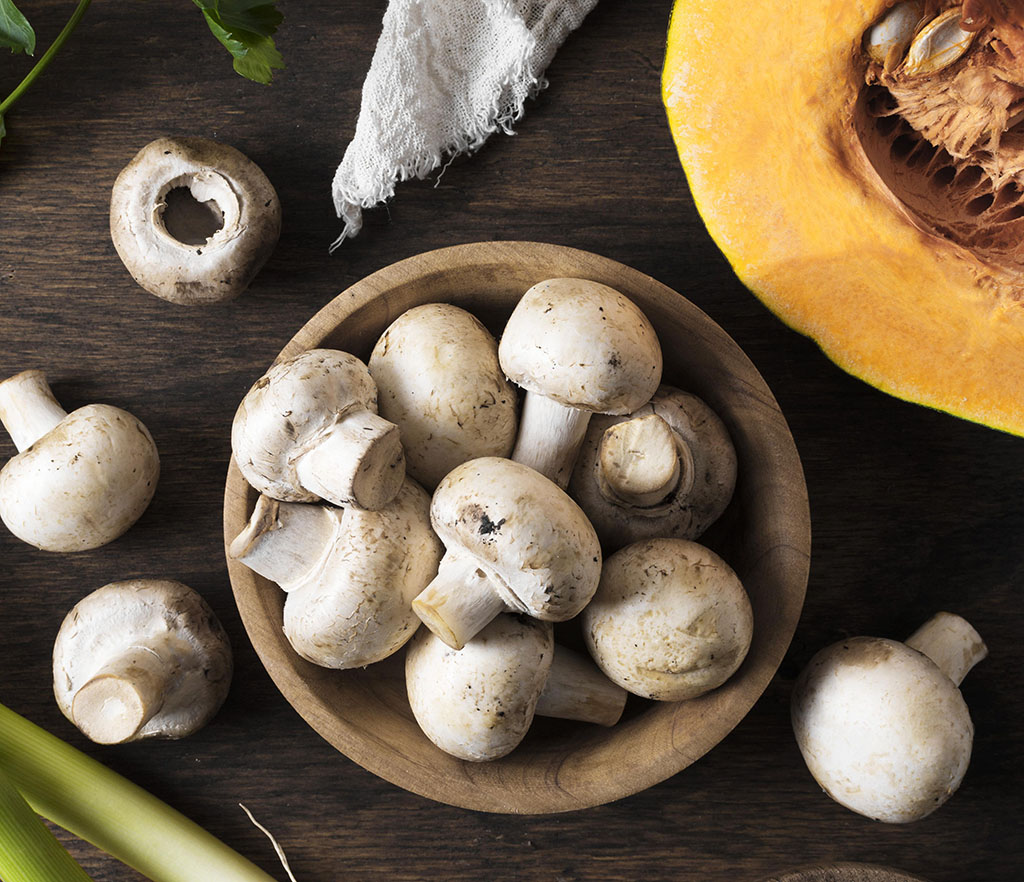
Exposing store-bought button mushrooms to just 15 minutes of direct sunlight can ‘supercharge’ their vitamin D content.
Research has shown that a 75g serving of UV-exposed edible mushrooms, like the common button or portobello, [3 – 4 button or one portobello mushroom], can provide over 100% of Australia’s daily vitamin D needs (−15μg/day), packing in 18 .
These super-charged mushrooms can be stored in your fridge for up to 8 days without losing their potent vitamin D levels.
While sunlight is a primary source of vitamin D, Tasmania’s climate, with its often reduced sunlight during winter, can contribute to insufficient levels, even for those actively seeking sun exposure. Vitamin D is crucial for calcium absorption, bone development, immune system health, and strong teeth and muscles.
Leah Bramich, of the Australian Mushroom Growers Association, highlights findings from a decade of nutrition research.
“The ‘mighty mushroom’ is a unique powerhouse of nutrients, with vitamin D research being particularly significant,” she said.
Bramich points out that mushrooms are currently miscategorised as vegetables in the Australian Dietary Guidelines. Biologically, they are fungi, not plants. She advocates for mushrooms to be recognised as their own food group, with a recommended serving size of 75 grams.
The impact of mushrooms extends far beyond just basic nutrition.
Research suggests a strong link between increased mushroom consumption and a reduced risk of cancer. They also show potential in minimising the risk of developing metabolic syndromes such as central obesity, high blood sugars, cholesterol and blood pressure. Some studies have even revealed that a diet where mushrooms substitute meat can have positive effects on body weight, composition and health indicators over a year, leading to lower blood pressure, improved lipid profiles and reduced inflammatory markers.
From a culinary perspective, their unique umami (meaty and salty) taste and texture mean you can often use less salt in your recipes. They can also serve as an excellent meat substitute without compromising on flavour or texture, simultaneously improving your intake of key nutrients like fibre and potassium while reducing saturated fat and sodium.
The recent Leongatha ‘mushroom murders’ when Erin Patterson intentionally poisoned four of her relatives with highly toxic death cap mushrooms, Amanita phalloides causing the death of three, and serious injury to a fourth, is a strong reminder that not all fungi are created equal.
Mushrooms can be broadly grouped into edible, medicinal and poisonous categories. Some wild mushrooms contain toxic substances that are extremely harmful to humans, and it can be incredibly difficult to tell the difference between edible and poisonous varieties.
The majority of mushroom poisonings occur when people mistake toxic wild mushrooms for edible types which can be severe, ranging from nausea, vomiting, stomach pain and diarrhea to hallucinations, kidney and liver failure and death.
To ensure your safety, health experts and the Australian Mushroom Growers Association (AMGA) strongly advise that you only consume mushrooms purchased from a reputable retailer.
Study details here: Mushrooms a food-based solution to vitamin D deficiency to include in dietary guidelines.
Timelapse of mushrooms growing.
Tasmanian Times (TT) is a community-based news and current affairs service covering the island state of Tasmania. It exists to provide a diverse view of Tasmanian issues. TT creates and supports independent media content utilising the best of modern technologies and tried-and-true practices of public-interest journalism.
Support us in expanding our coverage and developing new content by and for Tasmanians.
New initiatives on the way include:
- a weekly podcast covering current affairs
- a revamped website
- a monthly cartoon competition
- a user-friendly app for both Android and Apple devices
- a weekly roundup of key stories