Opinion Piece – Rodney Croome.
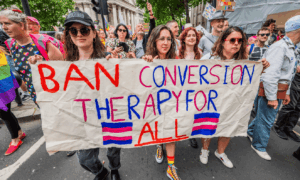
Tasmania is one of the last states to ban attempts to change or suppress people’s sexual orientation or gender identity. But the delay to banning conversion practices has not been because of antagonism to the reform. Yes, there have been misinformation campaigns about which have been more strident than the other states. But despite those, a clear majority of state politicians support a ban and have done for several years.
The delay is because we have been grappling with different models.
Equality Tasmania began advocating for a ban on conversion practices in 2016 as evidence emerged that these practices were still being carried out in Tasmania and that they inflict deep harm. Local and national research showed 5% of LGBTIQA+ people had been through conversion and were 3 to 4 times more likely to have PTSD and attempt suicide than other LGBTIQA+ people.
Research showed the high mental health risk was because of an underlying ideology that convinced gay and trans people they were “broken”, and could be “fixed” by discredited and harmful pseudo-scientific quackery. Personal stories from Tasmanian survivors showed the moment of greatest vulnerability was when they realised they hadn’t changed, despite doing everything the conversion hucksters told them to. They felt they had let down themselves, their families and God. Their despair and isolation was almost too much to bear.
We knew an inquiry into such a new area of law would be required, so all of Tasmania’s LGBTIQA+ organisations formally approached the Tasmanian Law Reform Institute in 2017. It took the Institute three years to find the funding, and another two years to conduct its inquiry. But in 2022, after an extensive consultation, the TLRI recommended a nation-leading model. That model had clear definitions of what conversion practices are, a suite of sanctions against them from apologies and fines through to criminal prosecution in cases involving children or inflicting serious harm.
The TLRI also developed what it called an adaptive approach to the controversial issue of health care for young trans and gender diverse people. It recommended that legislation shouldn’t draw the line between legitimate trans health care and conversion practices.
Instead, it should be flexible enough to adapt to the professional guidelines that govern the treatment of gender dysphoria. Medical professionals should decide, not politicians.
Premier Jeremy Rockliff committed to implementing the recommendations of the TLRI. But unfortunately, the conversion bill the State Government unveiled in 2023 fell short. The bill had a narrow definition of conversion practices, very wide exemptions, including if there was “consent” from the victim, set the bar for prosecutions so high no one would be held to account and made no provision for education or prevention. On the point of consent alone, the bill failed because it is not possible to give informed consent to practices based on false and deceptive claims, and that cause deep harm.
The Government bill would have allowed more conversion practices than it prevented.
It gave us a model for how not to legislate.
In 2024 the Tasmanian Greens picked up the baton and, together with Equality Tasmania and conversion survivor advocates, began drafting legislation based on the TLRI recommendations. But by 2025 aspects of the TLRI model had been overtaken by legislation in NSW and a review of Victoria’s legislation. NSW responded to concerns that the line between religious beliefs, parental guidance and conversion practices wasn’t as clear as it should be. The NSW law not only defined a conversion practice, but also what is not a conversion practice. This approach had the endorsement of conversion survivors and garnered support for the NSW law from across the political spectrum so it was adopted into the Tasmanian Greens legislation.
Meanwhile, submissions to the review of Victoria’s conversion ban showed how important it is for there to be an education and prevention framework if conversion practices are to be brought to an end. They highlighted the importance of having one government authority overseeing the legislation, in contrast to the dispersal of oversight across several different government bodies recommended by the TLRI. This meant another redraft, with authority and resources to implement the legislation given to the Tasmanian Anti-Discrimination Commissioner.
In all, the Greens’ bill went through fourteen drafts before a final bill was released for consultation on July 1st. If we also include previous Government and community drafts, the total number of drafts is closer to twenty.
But what this long history of consultation and drafting has given us is a bill that combines the most advanced legal thinking from Tasmania and around the nation. Tasmania may not be the first state to move on conversion, but our legislation will be some of the comprehensive and effective.
It will give Tasmania the best chance of any state to bring conversion practices to an end.
The consultation period on the bill ends on July 31st.
To find out more about the bill and send a submission
To hear the testimony of Tasmanian survivors
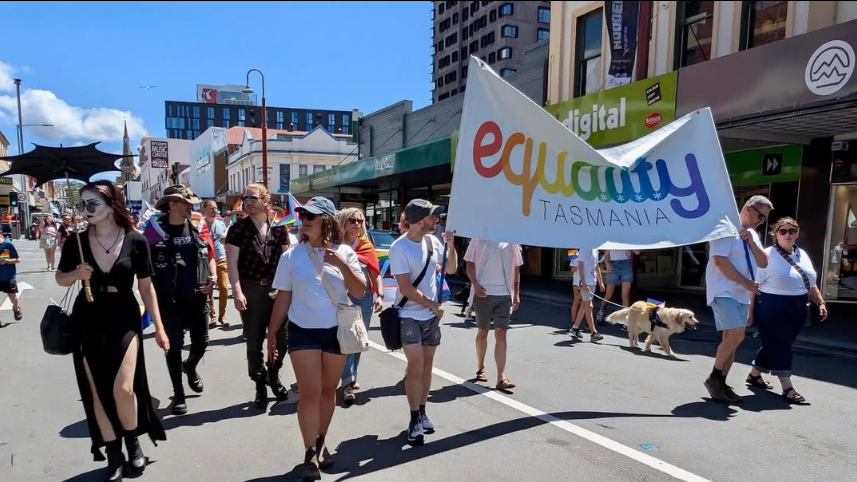
Rodney Croome, is the spokesperson for Equality Tasmania, Australia’s oldest LGBTIQA+ human rights organisation.
If you’re interested in this article, please join our mailing list. It’s all free … and we won’t share your information with anyone!
Truly independent media is a cornerstone of democracy.
Remember: once they gain power the first action of every despot in modern history is to take control of the media, so please consider supporting us.
Your kids will thank you and so will your Granny, but the aspiring despots won’t…