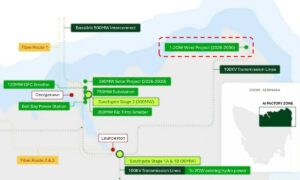
In Launceston, a multi-billion-dollar project is underway right under our noses. The company behind it is currently one of the hottest investments in the Australian financial markets. Only a few locals know about this project, questions have been asked in parliament, and the local media is largely in the dark. Tasmanian Times has taken a deep dive to understand what this means for Tasmania. It’s a big story that needs some context, so we’ll break it into several parts.
Part 1
Nine years ago, Oliver Curtis, a co-founder and co-CEO of Firmus Technologies, was serving the final days of a jail sentence for insider trading. Last week he appeared on the AFR rich list at #146 and wealth of A$1.25 billion. That’s a comeback story you don’t read every day.
Who is Oliver Curtis? The simplest – and perhaps truest – answer is this: he is the product of an ex-investment banker turned mining entrepreneur father Nick Curtis and Oliver’s socialite wife Roxy Jacenko who initially built her career in public relations. Curtis is now the largest shareholder in Firmus Technologies, holding a 19 per cent stake. That is how he made the rich list. His rise has been described by some commentators in financial media as a combination of financial engineering and market timing, while others remain sceptical of Firmus’ technical ambitions. He’s a charismatic guy, clearly very smart and talks his game well. He often describes Firmus with mining related analogies. When asked a difficult question, his response has a typical PR slant starting with, “Let me break that down for you,” before talking around it and moving on. To be fair, many CEOs in the public spotlight do the same. Ultimately, the company’s claims are straightforward, and its answers should be too.
Regardless of the focus on Oliver Curtis, it’s clear from the (highly redacted) documents released by the Tasmanian Government last week that Firmus has been involved in the AI boom since at least 2020. The three co-founders (Curtis, his cousin Tim Rosenfield, and his ex-brother-in-law Jonathan Levee) built careers at a time when new technology and innovation have driven rapid and substantial wealth creation in commodities trading (read The World for Sale) and the cryptocurrency industry. There are clearly lessons that can be learnt from how those industries evolved. Others argue they simply pivoted to the next opportunity in this space. But regardless of how they made it, Firmus is now riding a wave that’s many orders of magnitude bigger than anything seen at Shipstern Bluff, Tasmania’s premier big-wave surfing break.
These are the key points at the corporate level. It started its data centre operations in Launceston, Tasmania in 2019 as a crypto-miner, but then pivoted and went exponential. Over three recent equity capital raises, Firmus has raised approximately A$1.56 billion (September 2025 – ~A$330 million; November 2025 – ~A$500 million; April 2026 – ~A$730 million) from major names such as Nvidia, Temasek, and several major Australian fund managers. It raised a further ~A$14 billion in debt finance from global investment company, Blackstone. According to investigations by Rampart, the share prices in these raises varied dramatically from an average of $5.60 to $145 per share, with some insiders getting shares for as little as 1 cent as recently as August 2025. According to the AFR, Firmus had a valuation of A$6.9 billion by April this year. The company is also rumoured to be exploring a $12 billion IPO on the ASX, although that plan seems to have been delayed. Nick Curtis, Firmus’ former chairman and the father of Oliver Curtis, recently sold $100 million worth of shares, with half reportedly acquired by James Packer, also according to Rampart.
In short, Firmus went from relative obscurity to being backed by some of the largest players in the Australian and global capital markets in a short period of time. The real clincher was getting the backing of AI chip maker Nvidia and a rumoured offtake agreement with Meta, which Curtis won’t confirm.
Project Southgate – St Leonards site – AI factory
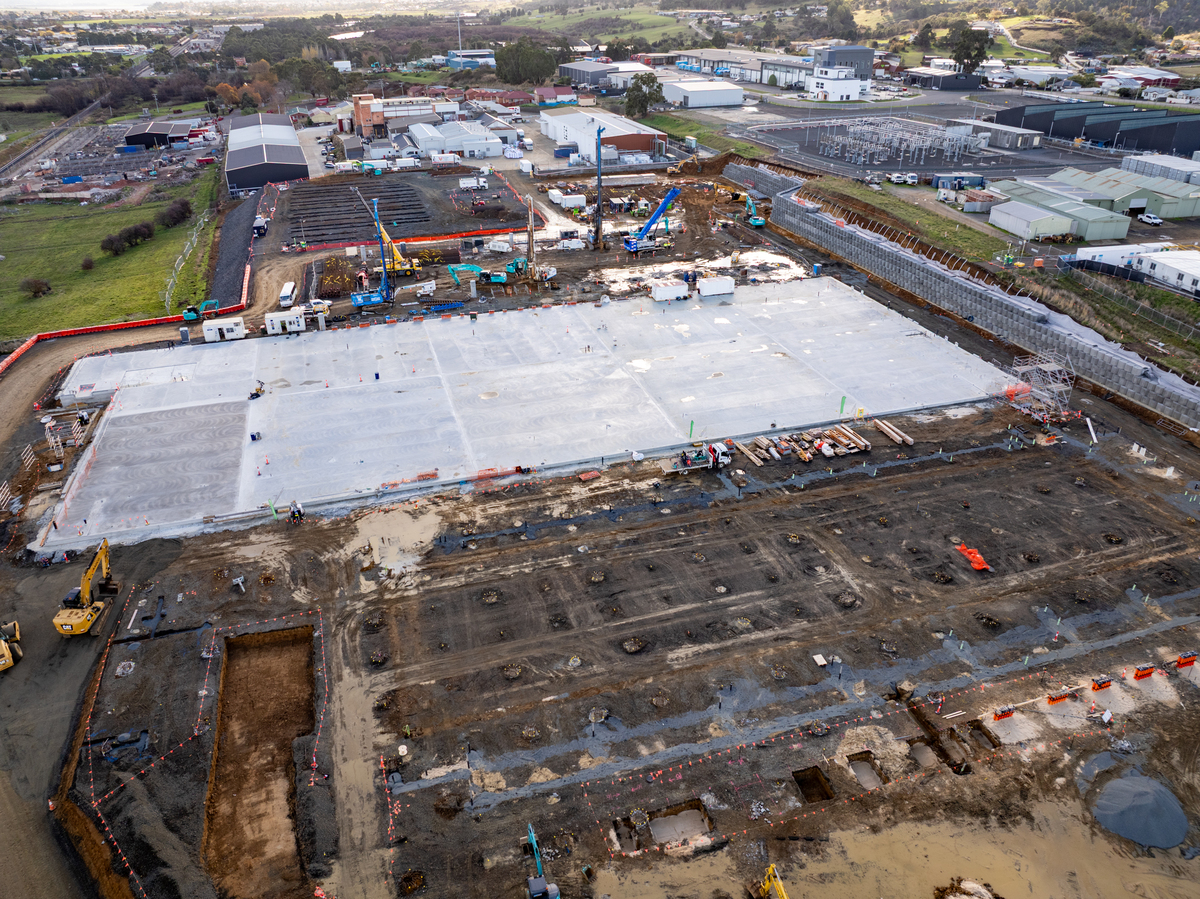
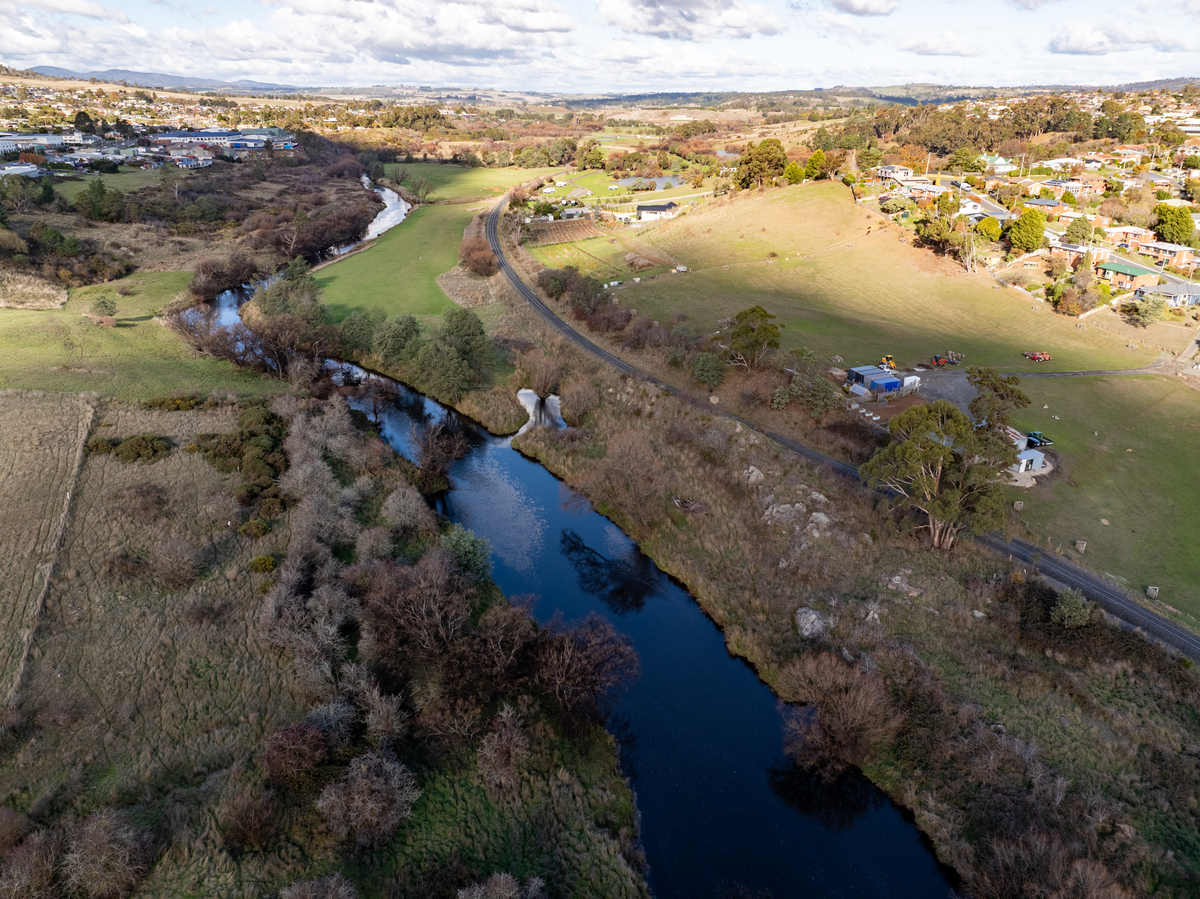
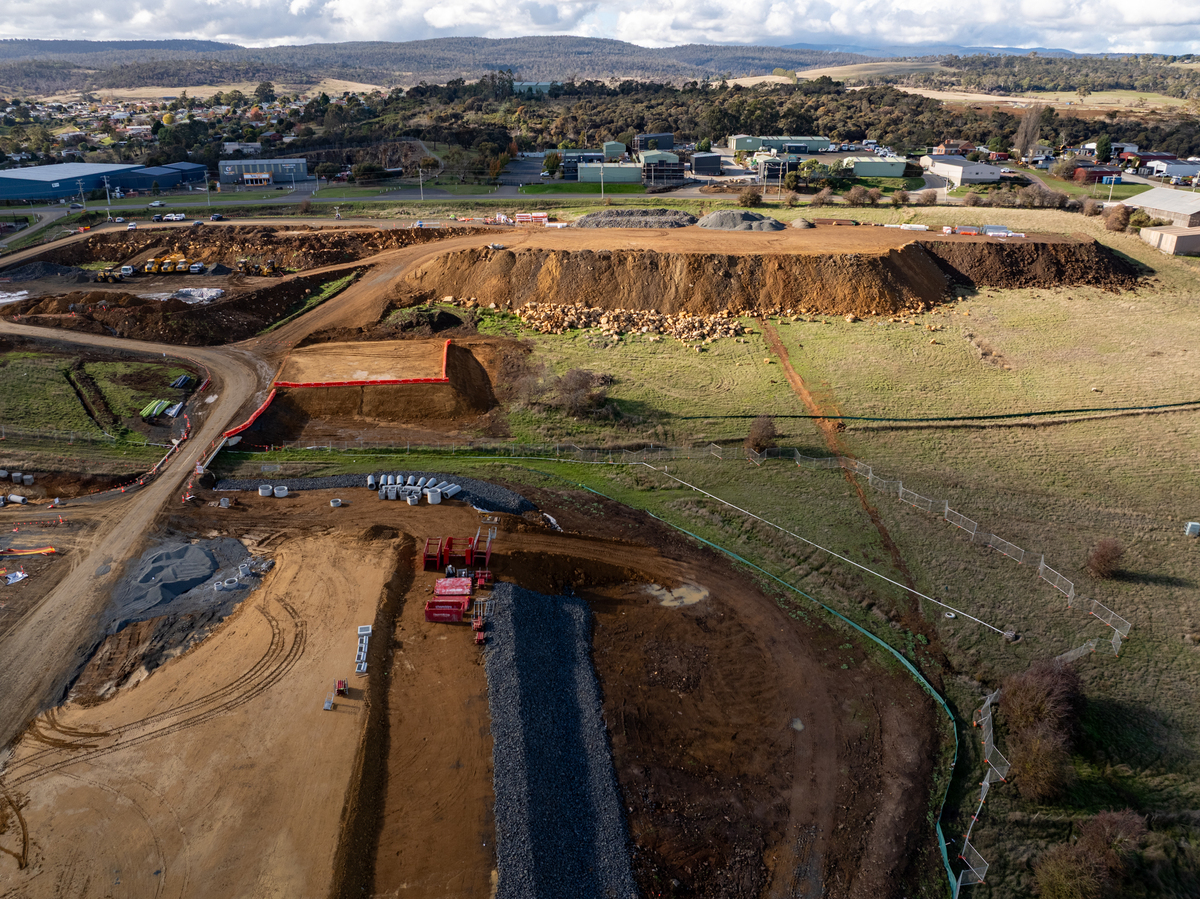
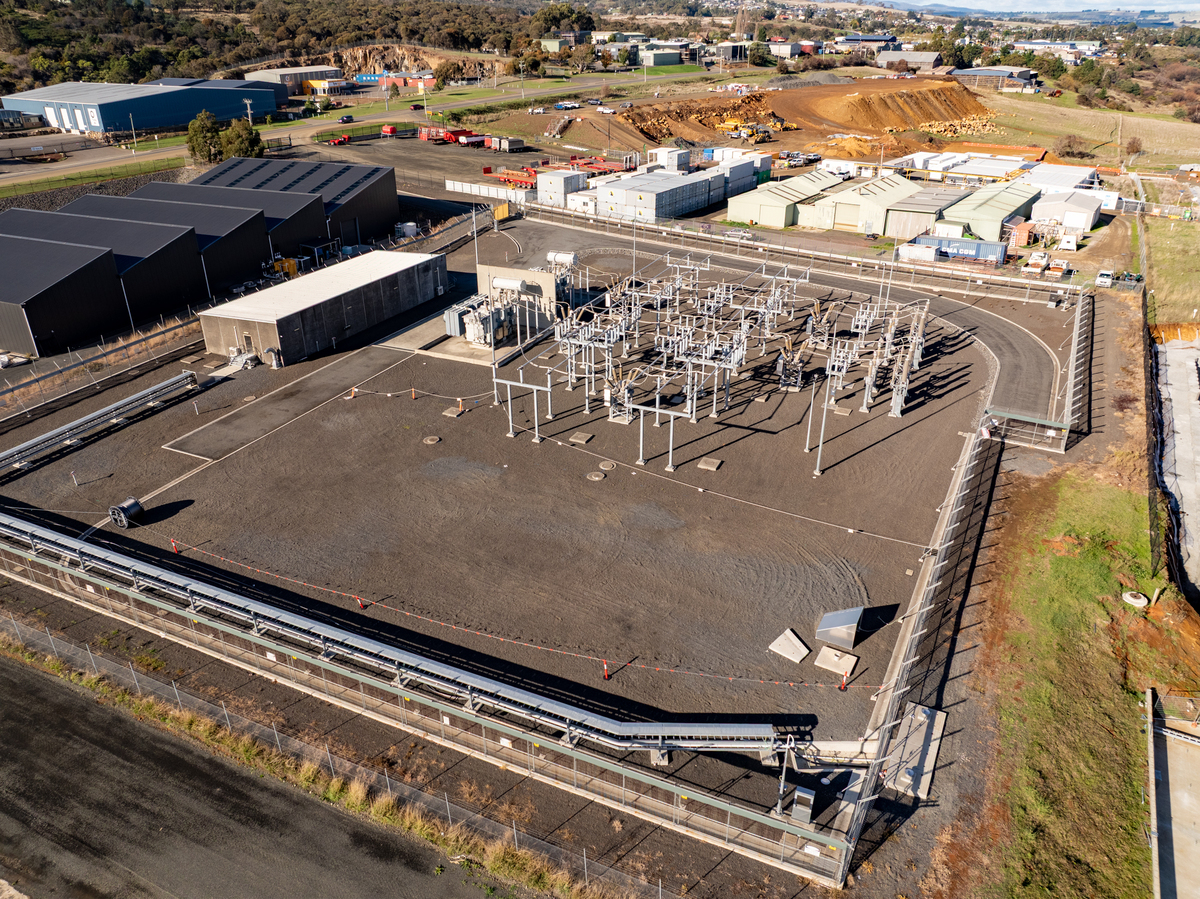
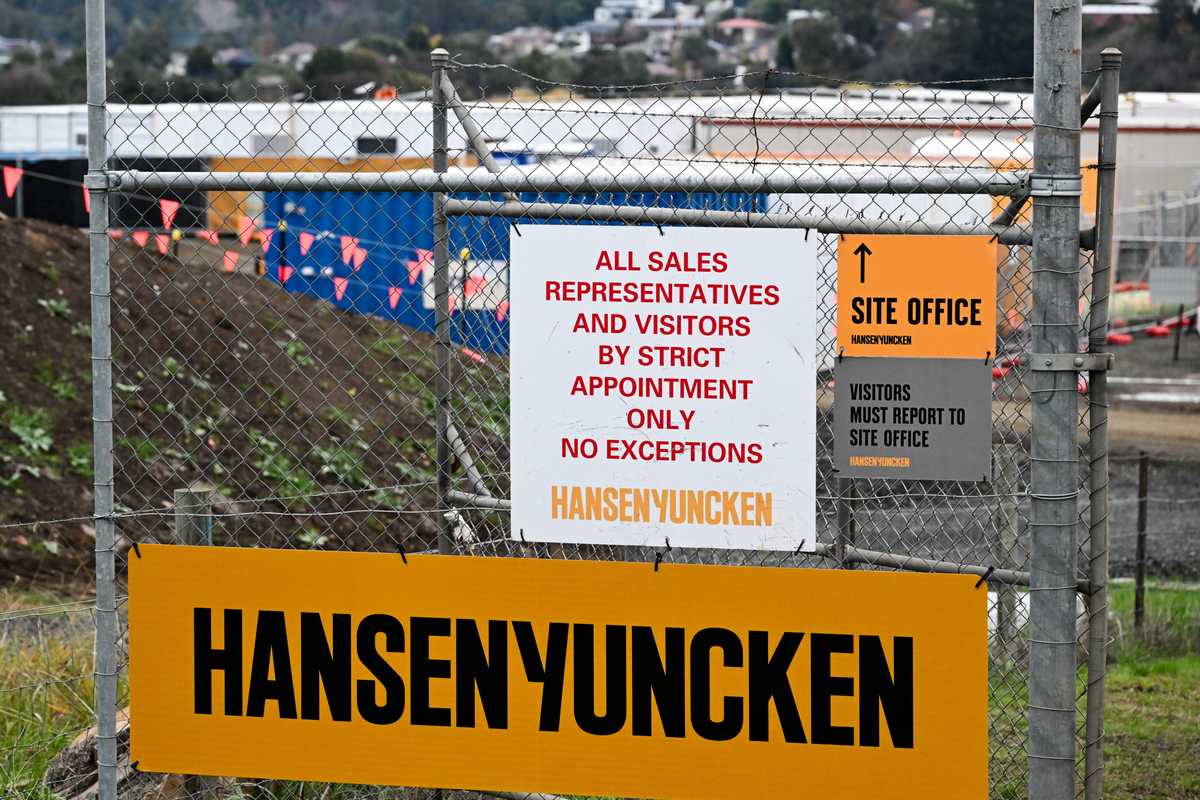
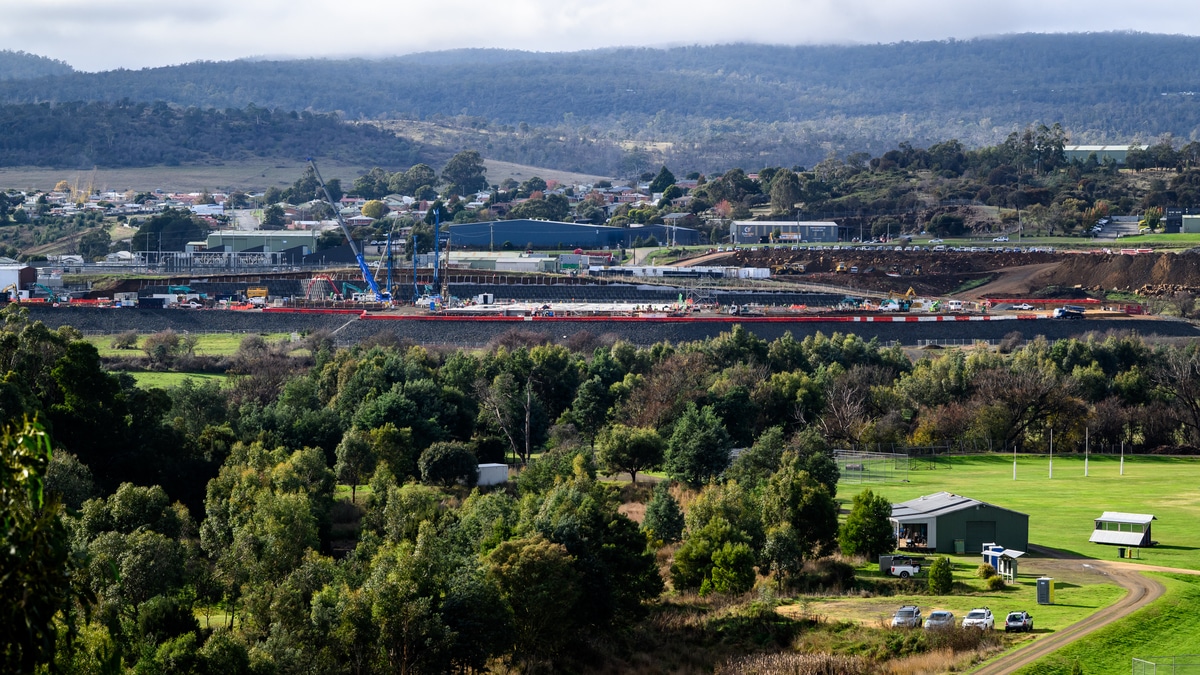
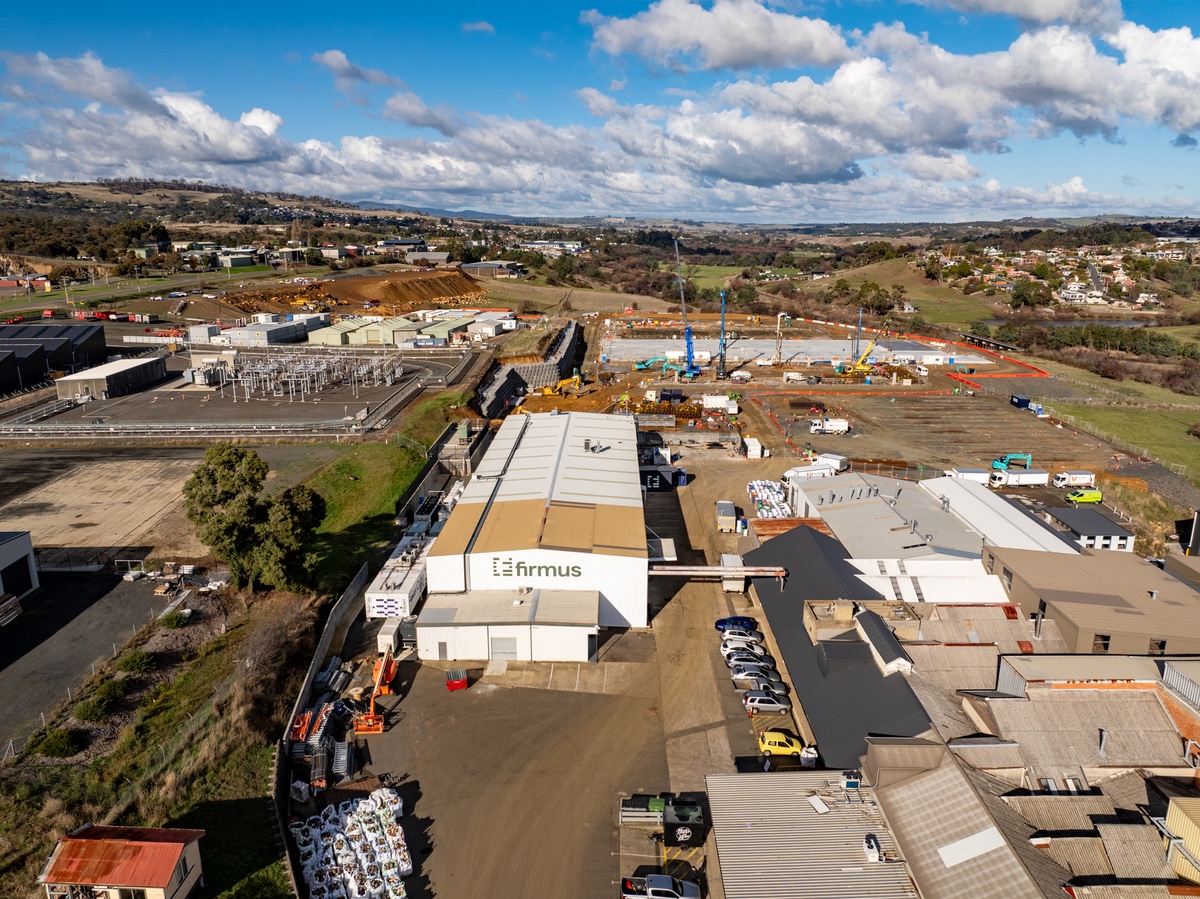
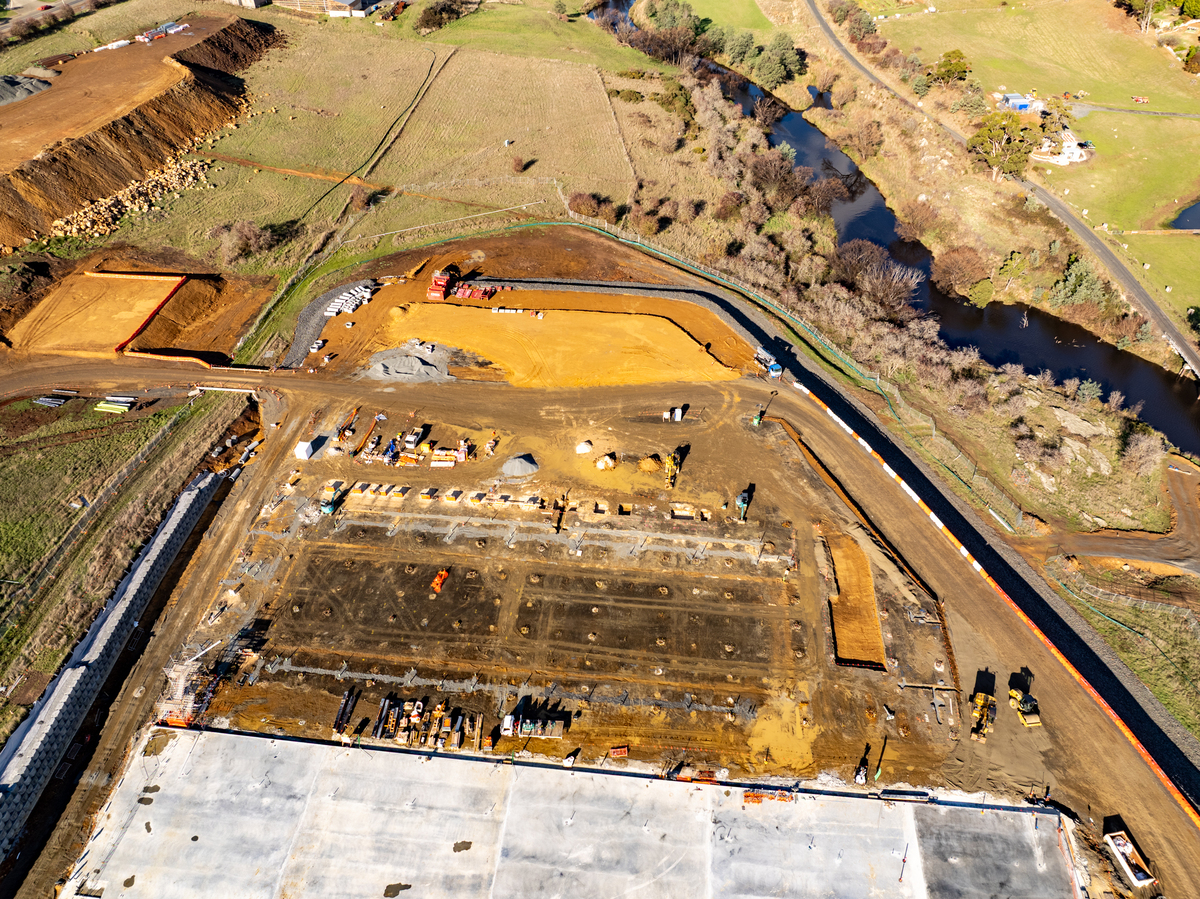
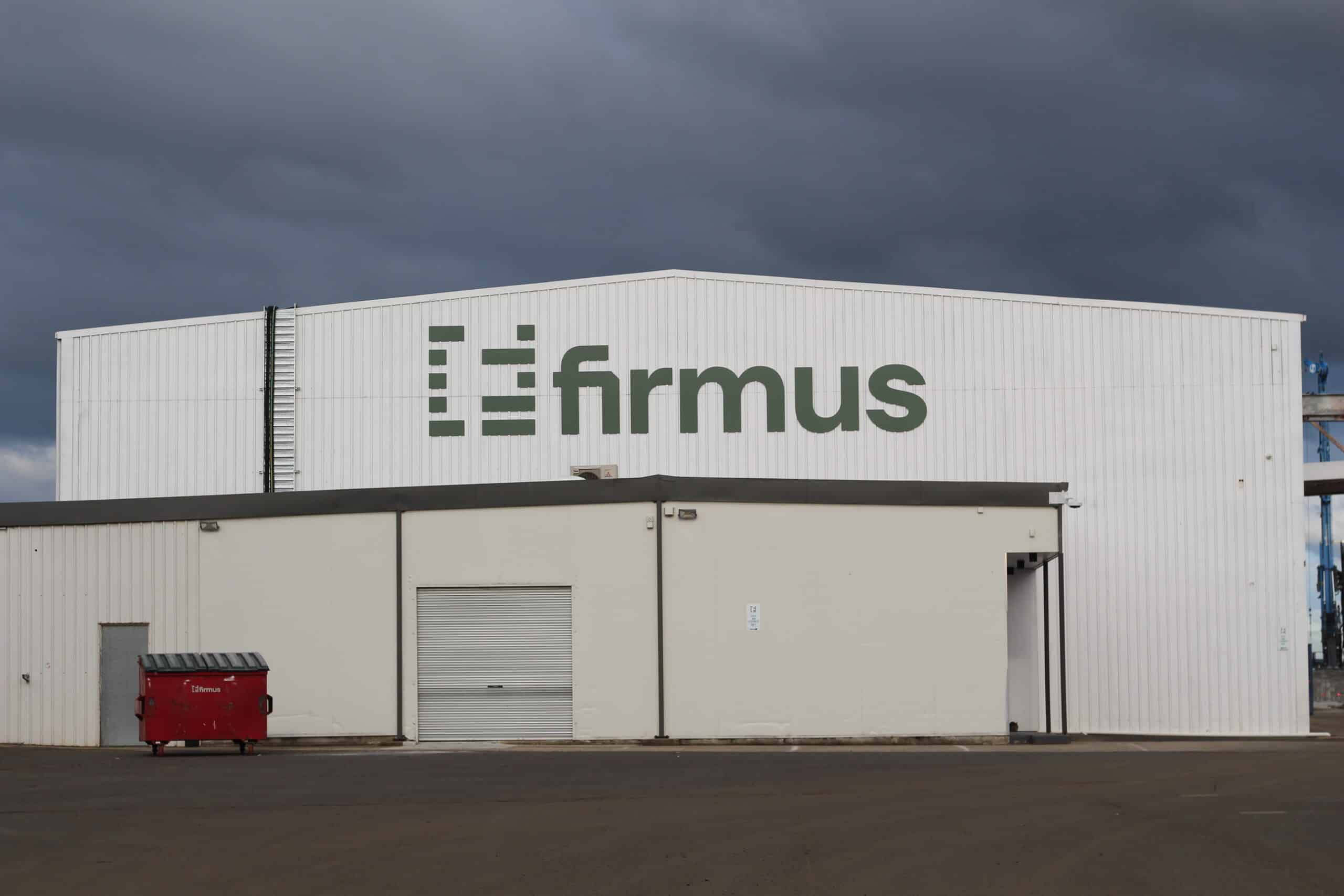
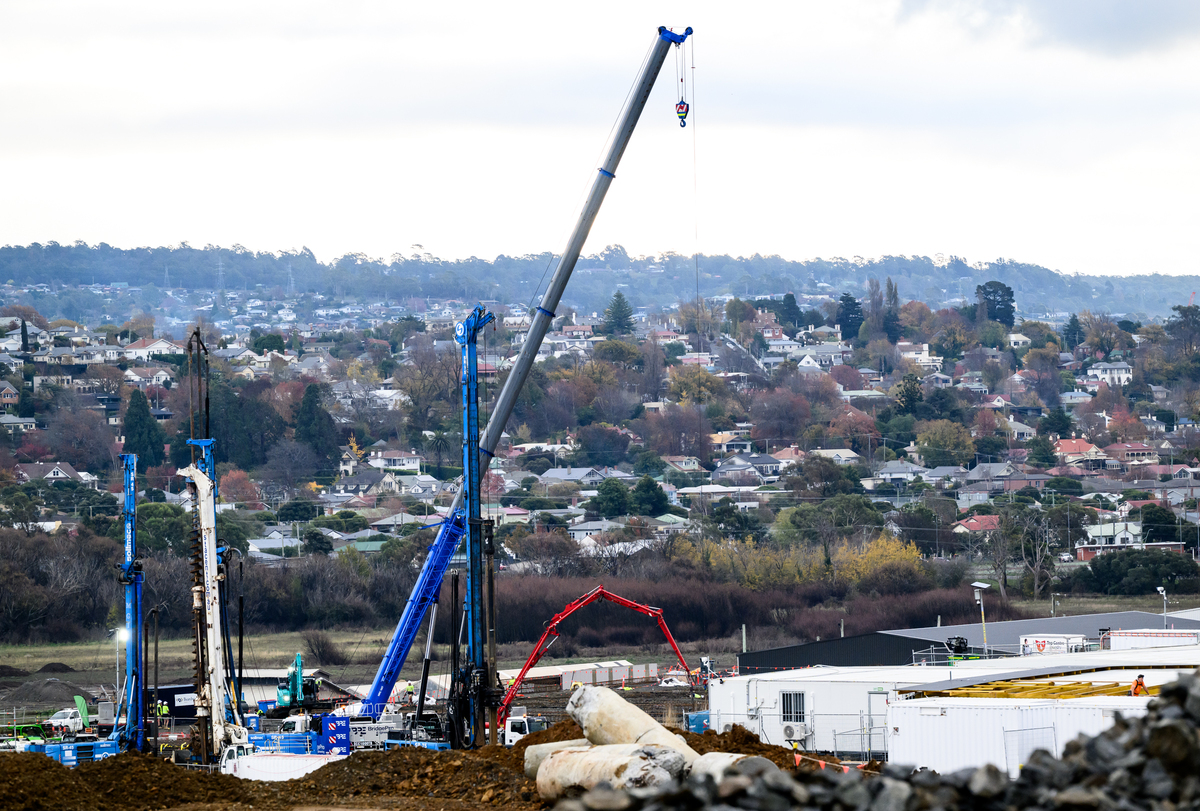
CREDITS: Drone stills and video Casey Smith & stills Philip Bohle
It’s noted that the level of scrutiny and due diligence typically associated with deals and capital raisings of this size are substantial; however, questions remain around its technology and processes which has allowed scrutiny to build and strengthened the position of critics. That, in turn, continues to raise questions about transparency.
On the big picture, it’s been widely reported that the AI hyperscalers (Meta, Amazon, Google, Microsoft, NVIDIA) are investing an estimated US$800 billion per annum of capital expenditure into building the data centres, specialised AI chips, computing power and networking required to train and deploy advanced artificial intelligence models globally. That’s just building the system (capex). It does not include the cost of running it (opex) or the downstream revenue being created through ‘AI tokens’ and related services. The speed and concentration at which this level of capital is being deployed into a single technological stack (AI compute and data centres) has never been experienced in the history of humanity. That’s the wave Firmus is riding. Or is it a bubble?
The way these companies make money is also interesting. Every time someone asks an AI agent a question, that question is broken into smaller sub-word units called AI tokens. When the AI agent answers, the same thing happens with the output. In simple terms, AI tokens are the units of text that language models use to read, process, and generate language. They are monetised like data usage units: the more text you process or generate, the more revenue is produced. AI token consumption is estimated to be in the quadrillions each quarter and, according to Curtis, is doubling every two months.
Now for the really interesting part. In an interview on Rampart Talks, Joe Aston asked about the comparison between Firmus and US based CoreWeave. Curtis makes the comment that CoreWeave went from US$4 million in revenue to about $6 billion this year and an expected $30 billion next year, so has had a rapid rise over a 4-year period. According to Joe Aston, Firmus’ annual recurring revenue was less than $50 million for the 2025 financial year. If the comparison is real and assuming it all comes together, that’s one serious money-making machine.
Will that translate into a relative economic benefit for Tasmania, or will Tasmania simply be a provider of green energy and a handful of jobs? Curtis claims to have a love for Tasmania. Time will tell how that love translates for our Islands.
For Tasmanians we need to understand what the risks and opportunities are. Both appear significant. The big picture gives us more insight.
There are concerns surrounding the development of AI, at both the industry and local levels. At the industry level, these include the risk of an investment bubble, the dangers of AI through negative cognitive and social impacts and widespread job losses. At the local level, substantiated concerns include the over use of freshwater, environmental impacts, rising energy costs and loss of amenity. There are also additional issues that arise from Tasmania becoming the location of an AI data centre, or even a cluster of AI data centres, and what that could mean for the state.
Conventional AI data centres require staggering amounts of power and water, which creates challenges. In many cases, data centre development has placed pressure on electricity grids, contributing to infrastructure upgrades that are ultimately reflected in higher household energy costs.
AI chips also generate large amounts of heat and require millions of litres of water daily to keep servers cool and operational. This has resulted in massive consumption and depletion of local water resources. In the USA, these issues have created local community backlash and sparked grassroots movements that have delayed or blocked over US$64 billion in development projects.
Firmus is adamant that it has answers to all these concerns. Firstly, the company claims in its promotional material to be building an AI factory (as a neo-cloud operator) rather than a conventional data centre. It also claims to be able to build their AI factory at 50% of the cost and operate it at 60% of the cost of their competitors, while using 99% less water for cooling. It also claims that this cost profile puts them in the top quartile of lowest cost producers of AI tokens making it a high margin business able to withstand rough industry times. Some of these claims are not as clear as they seem.
Tasmanian Times has asked Firmus a bunch of questions, and the answers (which we have received via its PR firm) still don’t give us a clear picture about the risks, costs, or potential benefits to Tasmania, so we’ve asked more. We will post all the questions and answers at the end of the series
Part 1 of this series looks at the Firmus corporate
Part 2 of this series gives global context.
Part 3 of this series delves into the Firmus strategy.
Part 4 of this series looks the each AI Factory
Part 5 of this series will look at the pros and cons for Tasmania
If you’re interested in this article, please join our Free Newsletter for Part 3 of 5. It’s all free…and we won’t share your information with anyone!
If you have any comments you’d like to add to this article, please contribute via this form. We’re trialling this while we work through replacing our comments section.
A strong truly independent media is a cornerstone of democracy and the only shield against autocracy. What value do you put on democracy and living in a free country?
Remember, after the power grab the first action of every despot in modern history is to take control of the media, so please consider supporting us so we can grow stronger and be a better shield!
Your kids will thank you and so will your Granny, but the aspiring despots won’t…and you never know when one will pop up.
Check out our drone video of the Project Southgate, St Leonards site (below)
© 2026 Tasmanian Times – All Rights Reserved