
A massive underground concrete chamber, designed to trap litter before it pollutes the Hobart Rivulet, was installed today, 20 August 2025, in an effort to protect the Hobart Rivulet and local wildlife.
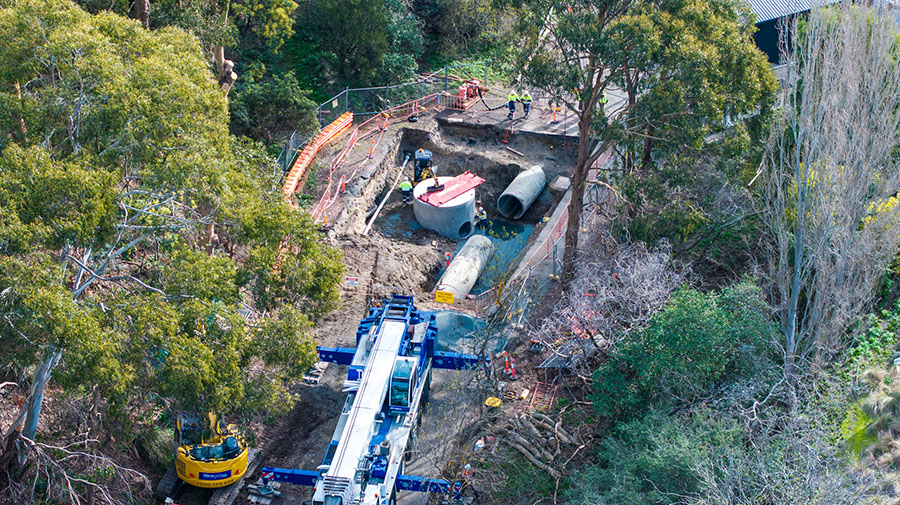
The final piece of the $500,000 project, a giant concrete lid, was lowered onto an 18-tonne diversion chamber deep below the city’s tip face. This new infrastructure is designed to significantly bolster defenses against dangerous litter, such as hair ties and plastics, that can wash into the rivulet and pose a deadly threat to animals, including the city’s largest platypus population.
The project, which is fully funded by the City of Hobart, comes as a direct response to a powerful community campaign advocating for better protection of the waterway’s health and its aquatic ecosystem.
Hobart Lord Mayor Anna Reynolds described the new trap as a game changer.
“The installation of this gigantic underground litter trap is a game changer for the health of the Hobart Rivulet, the platypus that live in this waterway and the people that live along it,” she said.
The new gross pollutant trap is made up of three cylinders and a diversion chamber, collectively weighing just under 45 tonnes. It is capable of holding nearly 10 cubic metres of litter, a significant upgrade from the existing downstream sock, which has a tenth of that capacity. The new trap can also capture much smaller particles, down to just 1 millimetre in size, as well as sediment and hydrocarbons.
Lord Mayor Reynolds acknowledged the community’s role in the initiative.
“It’s the result of strong community voices calling for better protection for our platypus from litter such as hair ties and string, which can be deadly for our platypus.”
She also paid tribute to the tireless work of Pete Walsh, whom she called “Hobart’s very own platypus guardian,” for his dedication to highlighting the threats facing the local platypus population.
Platypus expert Pete Walsh expressed his gratitude for the council’s tangible commitment to the rivulet’s health.
“It’s incredible to see the City of Hobart prioritise the rivulet in such a tangible way,” he said.
Walsh noted the scale of the new infrastructure.
“This is a massive piece of infrastructure. It will catch a lot of the litter that in the past has gone directly into the Hobart Rivulet.”
The new trap is designed to improve water quality by intercepting pollutants from the tip and the McRobies Gully stormwater system, reducing the amount of waste that ends up in the environment.
“Our platypus and other aquatic wildlife are the big winners from this project,” said Lord Mayor Reynolds, “but the community will also benefit from a cleaner and healthier rivulet environment.”
Walsh shared a simple tip for locals to help protect the platypus:
“Seize it, Snip it, Bin it! Pick up all circular litter, such as hair bands or rubber bands, snip it and dispose of it correctly.”
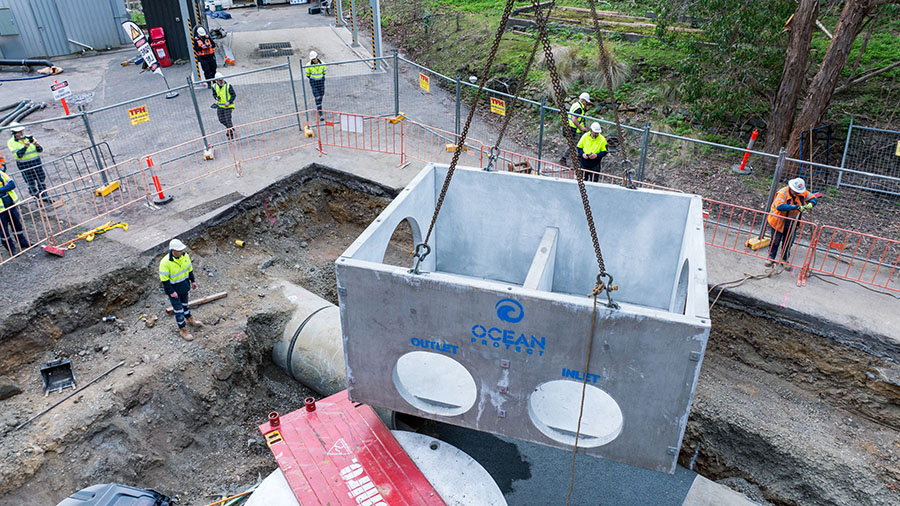
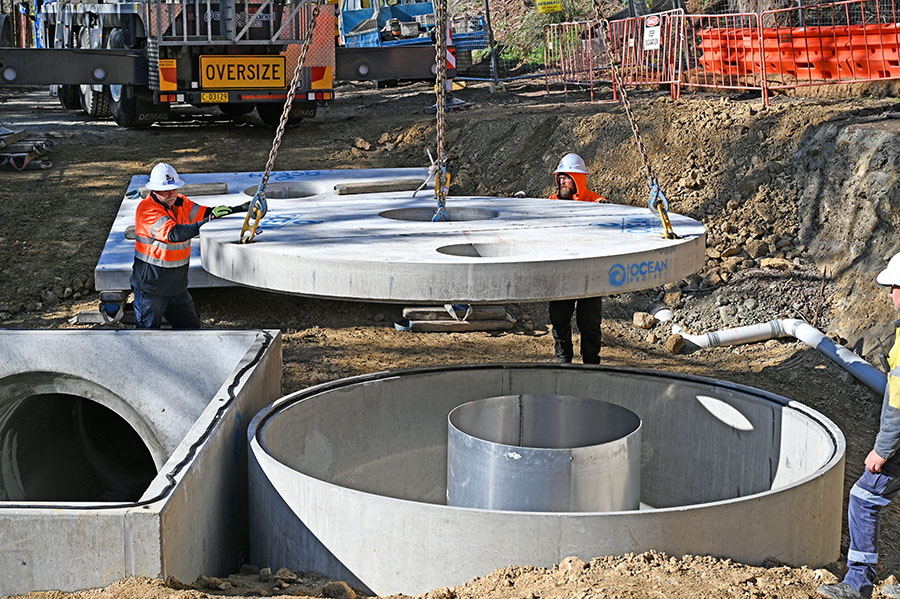
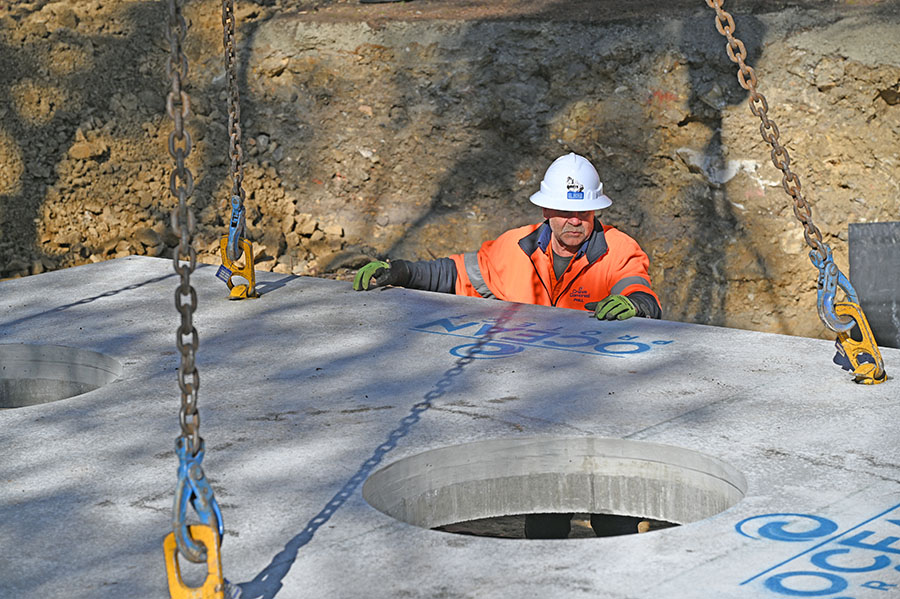
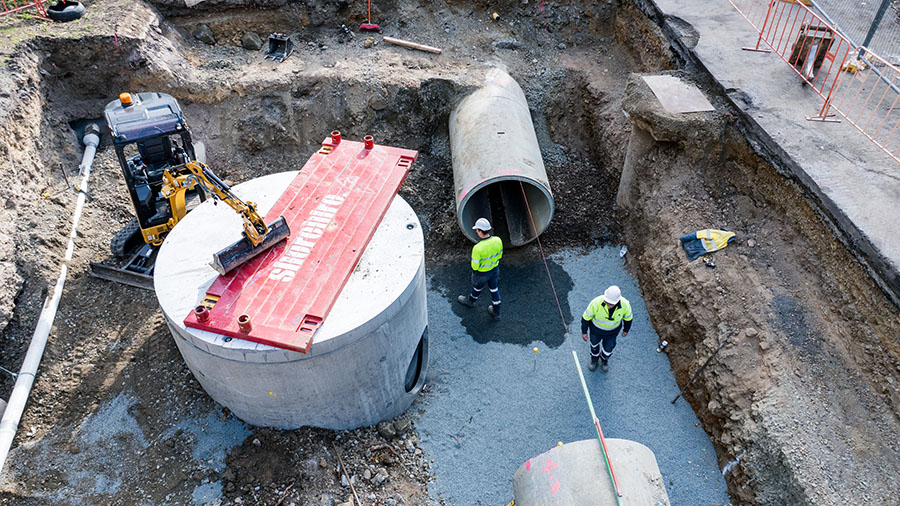
The entire installation was carried out by the City of Hobart’s civil projects team.
Feature image courtesy of @hobartrivuletplatypus. Other images courtesy of Hobart City Council.
Tasmanian Times (TT) is a community-based news and current affairs service covering the island state of Tasmania. It exists to provide a diverse view of Tasmanian issues. TT creates and supports independent media content utilising the best of modern technologies and tried-and-true practices of public-interest journalism.
Support us in expanding our coverage and developing new content by and for Tasmanians.
New initiatives on the way include:
- a weekly podcast covering current affairs
- a revamped website
- a monthly cartoon competition
- a user-friendly app for both Android and Apple devices
- a weekly roundup of key stories