Media release – Tasmanian Alliance for Marine Protection, 7 July 2021
Salmon fatalities should prove fatal to shallow water feedlots
Dozens of major fish kills in floating salmon feedlots are further proof that the industry must leave Tasmania’s shallow and coastal waters now. (https://www.abc.net.au/news/2021-07-07/tasmanian-salmon-companies-instances-of-elevated-fish-death/100272186)
News of 68 major fish kills in 15 months kept secret from the Tasmanian public comes as no surprise to coastal communities, says Tasmania’s peak marine protection body, TAMP.
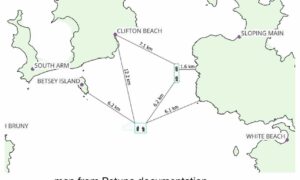
“TAMP hears of fish kills on a regular basis on the Tasman Peninsula, in the D’Entrecasteaux Channel, in Storm Bay and in the Huon River and estuary,” says TAMP co-Chair, Peter George.
“But this secretive industry keeps the disasters it causes so tightly controlled that Tasmanians have little idea of the cruelty to its livestock, the impact on wildlife and the damage to the marine environment.
“In this they are enabled by lax regulations that allows both industry and the government to hide the impact of a voracious industry that aims to double in size in just nine years.
“This news should prove fatal to those plans and to the future of floating feedlots in coastal waters.”
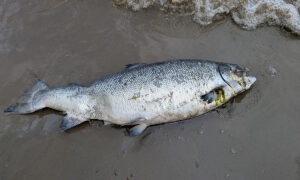
This year residents in coastal communities have reported evidence of mass salmon mortalities on the Tasman Peninsula, the Channel and in the Huon River – only to be met by silence from the companies.
“It needs to be understood that we’re not talking about a few hundred fish dying but they’re dying by hundreds of thousands,” Mr George says.
“Whether these deaths are by disease, warming waters, lack of oxygen, jellyfish infestations or poisonous algal blooms is a complete mystery to Tasmanians. That’s how secretive the industry is.
“The public has no idea what happening in their public waterways – what contamination is released, what damage to marine life.”
Only last week salmon feedlots were effectively banned in the whole of Argentina in the first national setback to the global industry – a decision based in part on Tasmania’s experience.
TAMP says the industry needs to start the transition to land-based production in line with last year’s Dennes Point declaration.