It’s hard to believe that when Tasmania’s premier food and wine event first began at the end of the 1980s, it was a modest, two-day showcase of local produce, largely intended to welcome and wow crew members and supporters of the annual Sydney-Hobart Yacht Race.
But strong community and local government support soon made the Taste of Tasmania a permanent fixture on Hobart’s calendar of events. Between Christmas and New Year 1991, some 30,000 visitors attended the waterfront extravaganza. Twice that number dropped by in 1992 and throughout the current decade, festival attendances were topping a quarter of a million, delivering economic and social benefits worth around $47m to the state.
But alas, the Taste of Tasmania is no more. At least, not as a large-scale tourism and hospitality event, primarily organised and funded by the Hobart City Council. On May 10, the local government body resolved that it no longer needed to own or deliver the Taste of Tasmania.
“The City of Hobart will take steps to transition the Taste of Tasmania to a new ownership model, providing greater scope to grow the iconic festival beyond Hobart’s boundaries,” the HCC stated on its website.
“Lord Mayor Anna Reynolds said the City of Hobart had delivered the event for more than three decades, developing it to a point where it had outgrown the City’s resources.
“The 2020-21 festival was cancelled due to the pandemic, and a combination of financial and commercial constraints, compounded by ongoing uncertainties around COVID, have led to tonight’s decision not to proceed with the 2021-22 festival.”
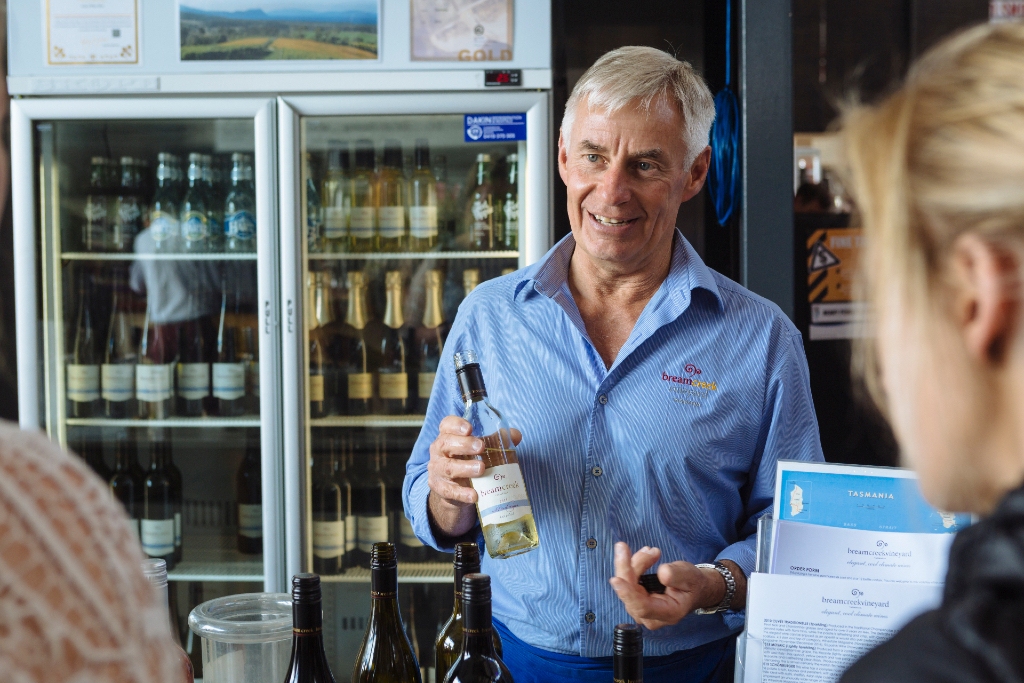
Taste of Tasmania stallholder Fred Peacock. Image courtesy Mitch Osborne.
The announcement prompted a brief torrent of community comment during the days that followed the decision.
“I wasn’t at all surprised by the news,” says long-time Taste of Tasmania stallholder, Fred Peacock.
“This has been coming for a long time. For quite a number of years, in fact.”
The Bream Creek Vineyard owner shares the disappointment of Tasmanians now reflecting on the event’s uncertain future. But it really is time for a change, he admits.
“With a supporting budget of more than $1m each year, Taste has grown to become a major Tasmanian marketing event,” Peacock notes.
“It’s one of the biggest festivals of its kind held anywhere in Australia. In fact, it’s actually more than a just a Hobart City Council event and really need to be governed by an independent board.
The Taste’s success to date shows it’s deserving of a combination of support from the Hobart City Council, the state government and hopefully some commercial sponsorship.”
A renowned viticulturist and industry figurehead, Peacock has been a regular Taste participant since purchasing Bream Creek Vineyard from its syndicate ownership back in 1990.
“The Hobart City Council has done a fantastic job in fostering the event, in growing it and making it such a huge and successful Tasmanian showcase,” he says.
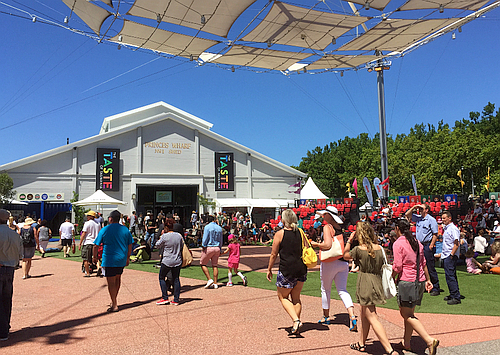
On hold – Hobart’s Taste of Tasmania. Image courtesy Mark Smith.
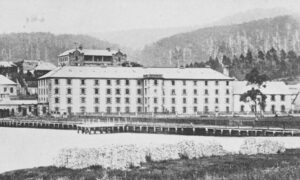
“It’s come a long way from those early events, when the Princes Wharf venue was actually a carpark for more than 350 days of the year. Oil and grease on the floor made operating there quite unpleasant and hazardous at times. Birds could also roost in the facility, so there’d be bird droppings and feathers to contend with as well.
“Thankfully, community expectations and health and safety regulations changed all that and a professional, world-class event has evolved.”
Peacock says Taste’s growth and outstanding success in many ways has mirrored that of the state’s small-scale wine industry.
“In the early days, few people were confident about the long-term future of either the Taste or the wine industry itself,” he recalls.
“For producers, the 1980s and early 1990s were all about grappling with the challenges of a new viticultural region while also trying to operate in a business environment saddled with 16 percent interest rates. Generating the cashflow needed to grow our businesses was a perennial problem.”
Peacock says there will be no quick fix to the complex issue of funding future Taste of Tasmania events.
While it’s understandable that there have been many calls for the event to return to its roots – by offering patrons small, bite-sized taste plates – the economic challenges posed by that are stark and unavoidable. Significant wage costs during the holiday period are both real and difficult to manage.
“The costs associated with ‘going back to basics’ would mean that you just wouldn’t get stallholders to take part,” Peacock reckons.
“We’d need to factor in costs of delivering customer service and on-site labour with respect to stock handling, as well as the various stallholder fees required. If you were an oyster grower providing a single oyster to a visitor, for example, the food would need to be individually packaged or plated, creating inefficiencies and additional use of time and resources. The amount you would have to charge for that single oyster would be high and customers would simply refuse to buy on that basis.”
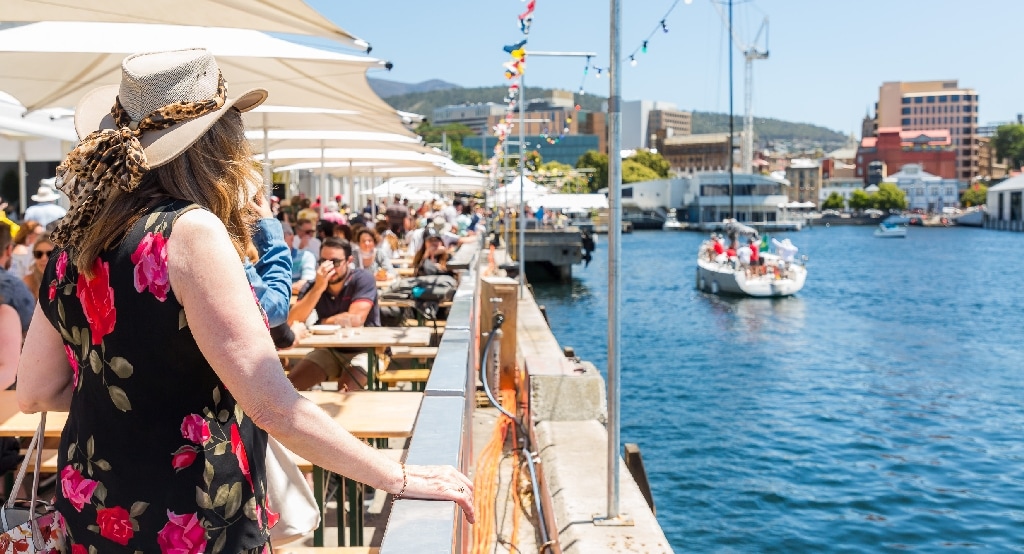
Hobart’s emblematic summer vibe. Image courtesy Natasha Mulhall.
Peacock also notes that the operation of the Taste of Tasmania has always taken place in the Christmas and New Year period, when the costs of conducting stallholder business are much higher than at other times of the year due to the public holidays and weekends involved and their associated impacts on wages.
“The Fair Work Ombudsman simply wouldn’t allow any variation of those rates. Then there are other factors to consider, like expecting people to work when many of their family and friends are on holiday. Similarly, you couldn’t have different price structures operating according to the day in the work and what time of day it was, in order to cover the various costs associated with doing business. It’s just not possible.”
Charging admission for what hitherto has been a free community festival is also fraught with problems. Too small a charge would not cover the additional costs that would be incurred by its imposition, including event-specific ticketing and booking charges as well as significantly enhanced security staff, crowd controllers and venue fencing.
“With the current waterfront site, additional barriers or fencing would also be likely to seriously disrupt vehicular and pedestrian traffic and there would be many other business costs associated with that,” Peacock adds.
“Too great a charge would discourage patronage of the event. What we really need to be doing is attracting major sponsorship for the Taste of Tasmania.
“But the reality is it’s also very difficult indeed for any local or state government initiative or event to get sponsorship from major companies and corporations. There’s too much in the way of politics involved. Ideally, the ownership and operation of Taste needs to be apolitical, to be placed in the hands of a specially created body that could be successful in attaining event sponsorship.
“It’s interesting to note that Taste really began as a kind of adjunct to the Sydney-Hobart Yacht Race. That event is not owned and operated by the Sydney or Hobart city councils. It’s conducted annually by the Cruising Yacht of Australia and the Royal Yacht Club of Australia who are able to work very well together with the support of some very large and high-profile sponsors. That’s absolutely critical to its success.”
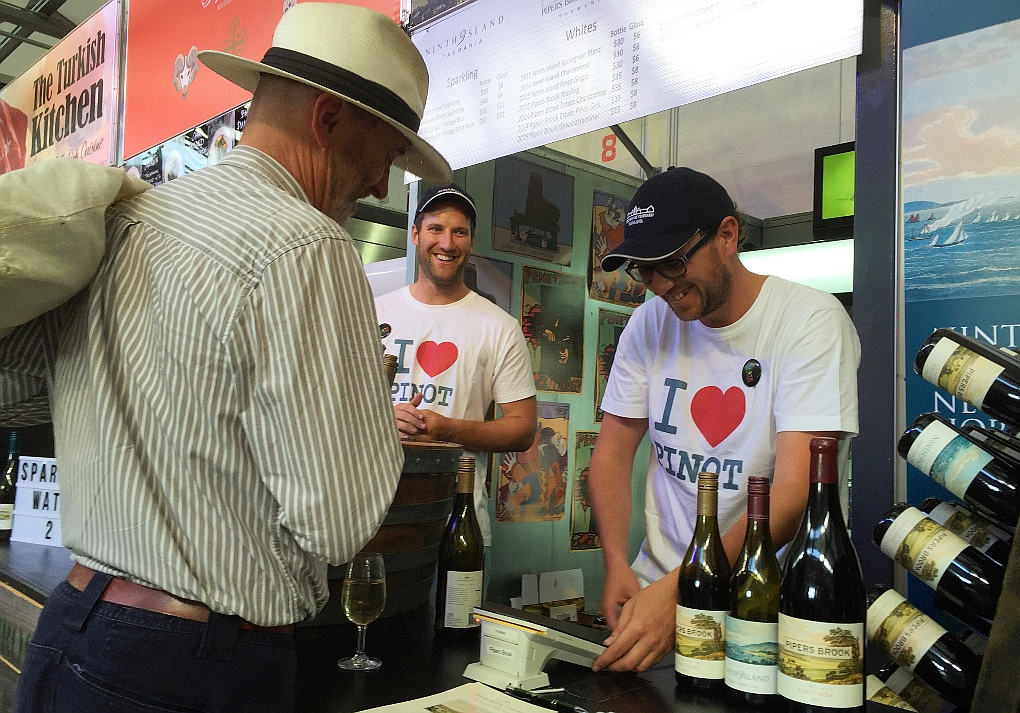
Wine time is a fine time at the Taste. Image courtesy Mark Smith.
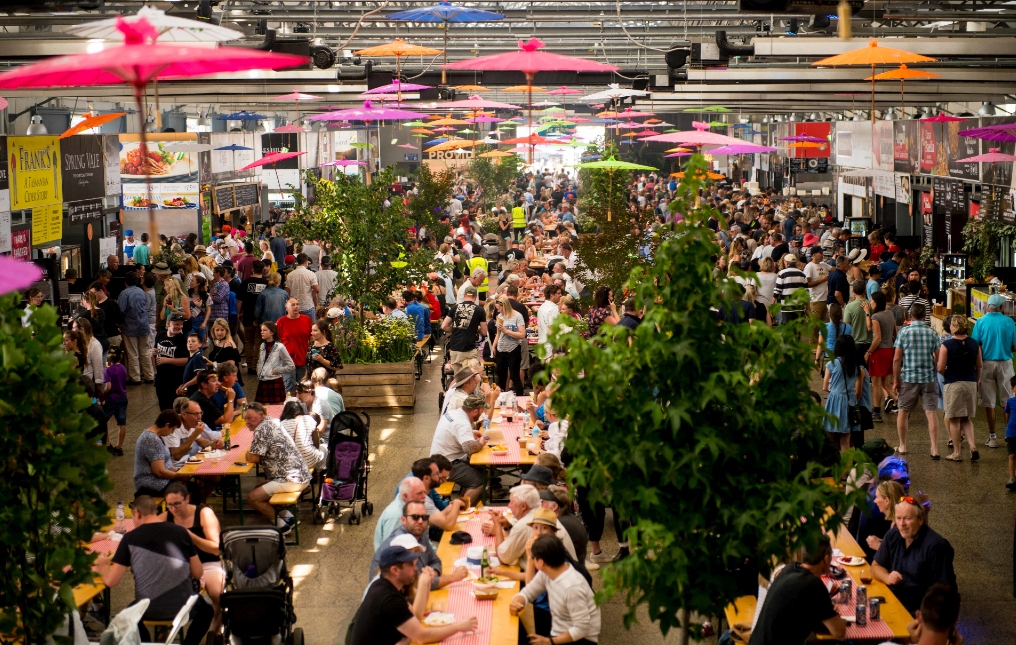
Featured image top of page: Hobart’s Taste of Tasmania. Image courtesy City of Hobart and Alastair Bett.
ADVERTISEMENT – ADVERTISEMENT – ADVERTISEMENT

Hobart’s Mark Smith wrote his first weekly wine column back in 1994. Now more than 1700 features and 25 years later, he continues to chart the successes of Tasmania’s small scale, cool climate wine industry with regular contributions to some of Australia’s leading industry publications.
PICK OF THE CROP
Mark gives you his honest opinions about the best wines available right now from Tasmania’s wine makers.
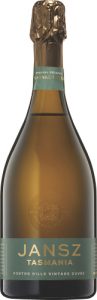
2017 Jansz Tasmania Pontos Hills Vintage Cuvée $50
Robert Hill-Smith’s uncompromising faith and investment in the company he purchased in 1997 has seen Jansz Tasmania prosper beyond all expectation. This release celebrates the commissioning of the new Pontos Hills Winery at Penna during vintage 2021. In doing so, Jansz vigneron Jen Doyle has created a future classic. It offers a potent mix of intense, tightly woven flavours, wrought from a field bend of Chardonnay, Pinot Noir and Pinot Meunier. Thirty-three months on lees added layers of texture and complexity, setting the wine up for a long haul in the cellar. Be patient. Only 1986 bottles made. www.jansz.com.au
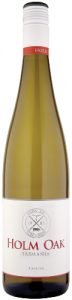
2020 Holm Oak Riesling $32
Holm Oak in the Tamar Valley is one of the State’s most consistent wine producers, with on-site vineyard and winery operations being very astutely managed by owners Tim and Bec Duffy. The property’s sunlit terrain and close proximity to the river makes it well suited to Riesling. This very attractive dry white from the challenging 2020 vintage is supremely elegant. Relatively low in alcohol (11.5%), it’s a bright, food friendly wine with squeaky clean flavours of citrus and green apple, trimmed by crisp natural acidity. It should really blossom in bottle over the next year or two. Pass the oysters, please. www.holmoakvineyards.com.au
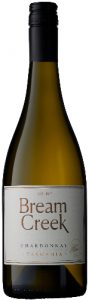
2019 Bream Creek Chardonnay $36
Tasmania is home to some of Australia’s best Chardonnay. While much of it is turned into world-class sparkling wines, the variety also shines as a sensitively oaked, barrel-fermented dry white. This excellent current release brings together the viticultural know-how of industry legend Fred Peacock and the professional skills of Coal River Valley contract winemakers Tasmanian Vintners. It displays a well-judged balance of richness and elegance, with flavours of stone fruit, melon and roast nuts. Length and vibrancy in spades. This is a fine match for pan-fried fish and white meats. The modest price is surprising for a multi-gold winner. www.breamcreekvineyard.com.au
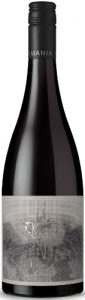
2019 Giant Steps Fatal Shore Pinot Noir $75
The Coal River Valley has been synonymous with top-notch reds since it was first planted in the 1970s. Nocton Vineyard was established in 1999 under the watchful eyes of the late Peter Althaus, who provided consultant advice to the project. The site has grown plenty of good fruit over the years, with Yarra Valley producer Giant Steps snapping up an impressive parcel of Pinot Noir in 2019. The result is this powerhouse middleweight. There’s no shortage of rich colour and flavour. The valley’s archetypal dark cherry and plum notes are clearly on show, with powdery tannins balanced by plump texture and lingering acidity. Is it hot or OTT? You decide. www.giantstepswine.com.au
ADVERTISEMENT – ADVERTISEMENT – ADVERTISEMENT