
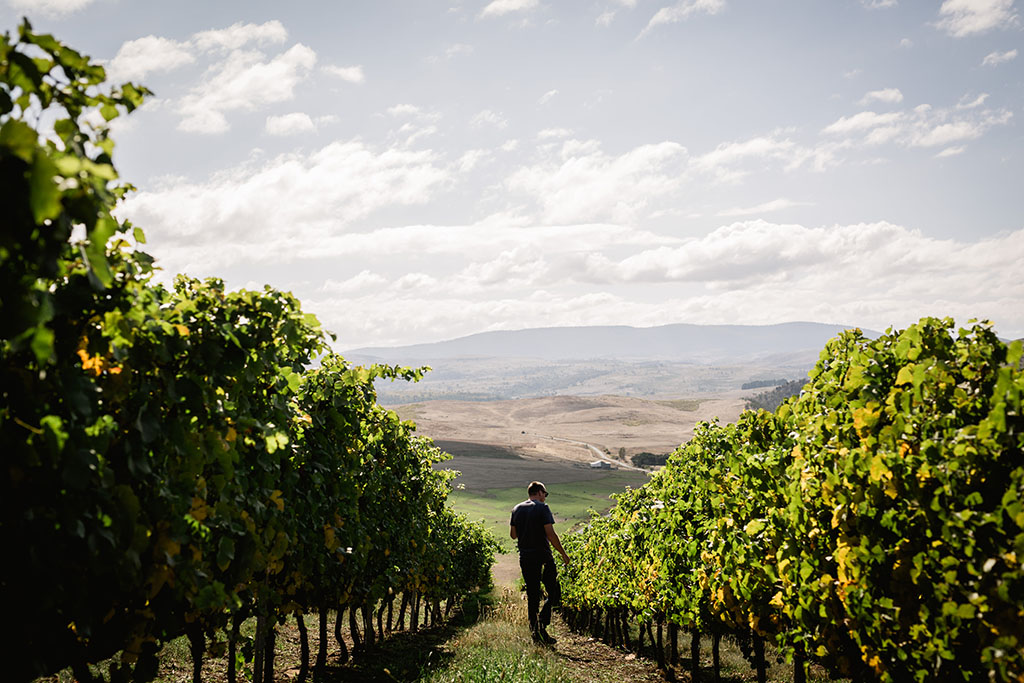
Tasmania is leading the nation in local wine allegiance, with nearly 20% of its wine sales coming from in-state products.
This strong local support, combined with a national increase in the consumption of Pinot Noir and sparkling wines, positions the state’s cool-climate wine industry to capitalise on current drinking trends.
A significant transformation in Australian wine consumption is underway, according to the inaugural ‘State of the Grapes’ report, a landmark collaboration between Wine Australia and Endeavour Group.
The report, released yesterday, uncovers large-scale shifts in the nation’s palates, offering crucial insight into what the wine shelves of the future could look like.
The findings, derived from sales data, reveal that consumers are increasingly drawn to lighter, more versatile and often more affordable options.
With the research showing Tasmanian’s are loyal to local production, it also highlights that 50% of all Pinot Noir and Non-Vintage Sparkling wine sold in Tasmania is also made here.
While Tasmania under-indexes on Champagne, sparkling is the state’s second-largest wine category.
The national uptick in Pinot Noir and Sparkling consumption makes Tasmania perfectly positioned to capitalise and grow from current drinking trends.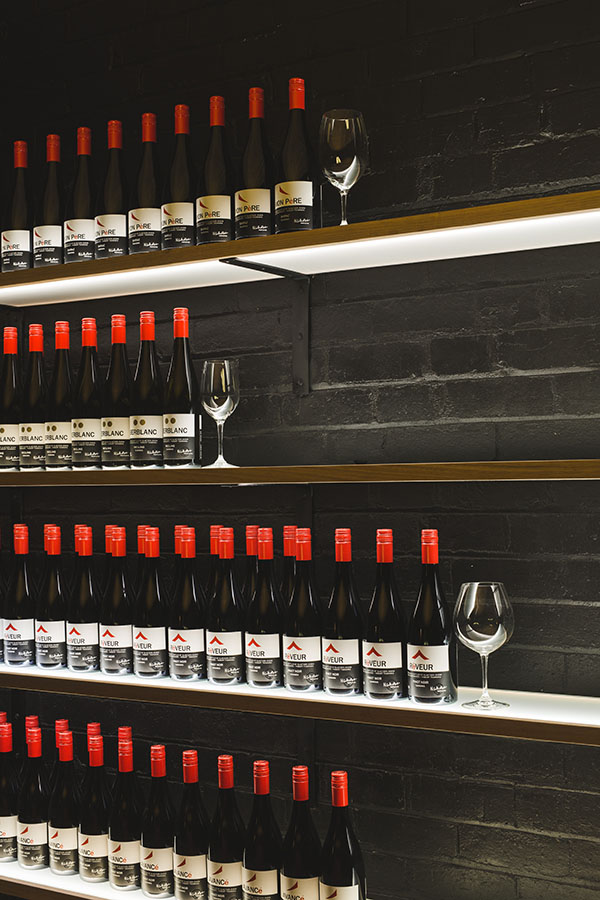
Winemaker Nick Glaetzer, of Glaetzer-Dixon Family Winemakers based in Hobart comments,
“It’s no secret that the best pinot noir and sparkling wines in Australia are made in the cool climate of Tassie.
“Our wines are known for their complexity and elegance, and they pair perfectly with the incredible food that Tasmania is renowned for.
“As vignerons we’re lucky to have a great relationship with our colleagues in liquor retail and hospitality, who share and promote our passion with the consumer,” he said.
This comprehensive study, the first of its kind, meticulously analyses sales data from BWS and Dan Murphy’s with input from Wine Australia. It examines how diverse factors like affluence, generational divides, climate, and local production are shaping the preferences of each market. The report’s release is timed to coincide with Wine Australia’s major Aussie Wine Month campaign this August.
The campaign, tagged with ‘We Make A Wine For That’, is a national promotional program highlighting the diversity and versatility of Australian wine and encouraging consumers to explore local offerings.
Andrew Shedden, General Manager of Premium and Luxury at Endeavour Group, stresses the enduring nature of these trends.
“We are witnessing a significant evolution in how Australians are choosing their wine,” he comments.
“What’s emerging from our sales data isn’t just fleeting trends, but long-term, global patterns that are reshaping the entire Australian wine landscape.”
Shedden points to the rising popularity of rosé and prosecco, and a “spritz culture” that is invigorating the market.
“Consumers are sending a clear message: they want lighter, more versatile, and often more affordable options,” he states.
The report’s purpose, Shedden explains, is to provide producers with the tools they need to succeed. “We’ve created this report, in collaboration with Wine Australia, to give producers an in-depth look at national consumption habits,” he says.
“As an industry, it’s important not to just continue doing what we’ve always done, but understand and adapt to consumer needs.”
Paul Turale, General Manager of Market Development at Wine Australia, notes that the report highlights new opportunities.
“This report highlights emerging opportunities for Australian wine producers, including signs of category stabilisation and growing interest in lighter wine styles,” Turale says.
While traditional varieties like Shiraz and Chardonnay remain important, he observes a broader trend: “we’re seeing consumers increasingly explore new styles and emerging varieties.”
“These insights, he concludes, provide a “strong foundation for producers to consider how they can best meet these evolving consumer demands.”
The report also highlights that younger generations (18+) prefer lighter tasting varietals.
They favour Rosé and Sparkling Wine over White Wine, with sweeter wines like Moscato, Spritz and flavoured products also preferred among this demographic. Moscato is the varietal with the third most Gen Z customers.
We see an increased engagement with Champagne among Gen Z and Millennials, linked to more frequent gifting missions.
In Red Wine, a spike in Millennial consumers suggests an evolving palate and a tendency to explore more complex varietals. Pinot Noir has surpassed Cabernet Sauvignon as the second largest Red Wine segment for these generations, with spend skewing towards emerging varietals compared to older generations.
Within Sparkling, ‘Spritz culture’ is deeply embedded, with Prosecco and Spritz together accounting for nearly half of all Gen Z spend in the Sparkling Sub-category.
The ‘State of the Grapes’ report is a vital roadmap, encouraging the industry to embrace change and continue the tradition of innovation that defines Australian winemaking.
Images courtesy of Glaetzer-Dixon Family Winemakers.
Tasmanian Times (TT) is a community-based news and current affairs service covering the island state of Tasmania. It exists to provide a diverse view of Tasmanian issues. TT creates and supports independent media content utilising the best of modern technologies and tried-and-true practices of public-interest journalism.
Support us in expanding our coverage and developing new content by and for Tasmanians.
New initiatives on the way include:
- a weekly podcast covering current affairs
- a revamped website
- a monthly cartoon competition
- a user-friendly app for both Android and Apple devices
- a weekly roundup of key stories