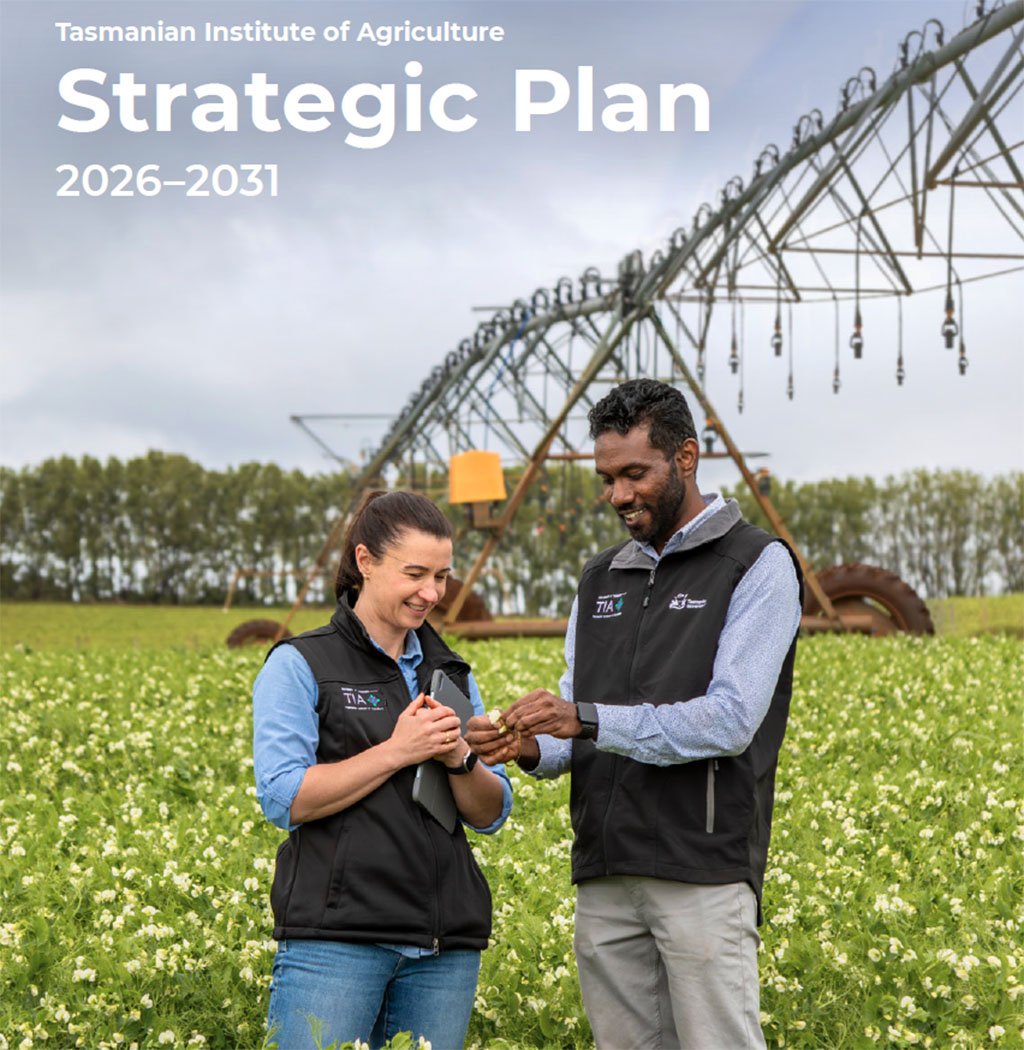
The Tasmanian Institute of Agriculture (TIA) has released its Strategic Plan for 2026-2031, outlining a comprehensive vision to navigate climate change, boost productivity and strengthen engagement with Aboriginal communities.
As a joint venture between the University of Tasmania and the Tasmanian Government, TIA is mandated to drive research, development and education that supports the state’s agricultural sector. The new strategy arrives as the industry strives to reach a farm gate value of $10 billion by 2050, a target that requires the sector to grow at twice the rate seen prior to 2015.
Minister for Primary Industries and Water Gavin Pearce said the plan lays the groundwork for deepening collaboration among agribusiness, industry, university and government. Pearce noted that co-investment in research and the adoption of new technologies is vital to maintain competitiveness, confirming that TIA remains the government’s preferred supplier of public agricultural research.
Since 2019-20, the state government has invested over $34 million in the institute, with industry partners contributing a further $66 million.
TIA Director Michael Rose described the upcoming period as a transformative era for the state. Rose highlighted that while Tasmania benefits from a unique climate and skilled community, it faces increasing complexity regarding biosecurity risks, shifting global markets and climate variability.
The strategic plan identifies six key objectives to guide the institute over the next five years:
- Strengthen sustainable productivity: Focusing on high-growth sectors such as horticulture and pasture-fed ruminant livestock while embracing the circular economy and regenerative soil practices.
- Climate resilience: Developing adaptive practices for a state expected to warm by 1.5°C to 3°C by 2100. This includes drought-tolerant pasture varieties and smoke taint management for wine.
- Education: Delivering world-class education to address workforce shortages and negative perceptions of agricultural careers among school leavers.
- Industry engagement: Implementing an evidence-based Theory of Change framework to ensure research delivers lasting impact.
- Aboriginal engagement: A new focus on embedding culturally respectful engagement and incorporating Aboriginal knowledge systems into educational offerings.
- Building a stronger institute: Investing in staff wellbeing, facility renewal and maintaining a strong brand identity.
University of Tasmania Vice-Chancellor Rufus Black emphasised that agriculture is core to popular conceptions of the island, accounting for 9 per cent of the state’s Gross State Product. Black noted that the strategy is notable for how it navigates the tension between rapidly expanding the sector and addressing environmental challenges.
The plan also addresses the urgent need to abate greenhouse gas emissions, with the agricultural sector currently accounting for approximately one-third of Tasmania’s gross emissions. TIA aims to support the industry’s transition to a low-emissions future through carbon sequestration and emissions avoidance research.

Media release – Gavin Pearce, Minister for Primary Industries and Water, 9 December 2025
New Tasmanian Institute of Agriculture Strategic Plan launched
The Tasmanian Institute of Agriculture (TIA) has launched its Strategic Plan 2026-2031, building on the long-standing partnership between the University of Tasmania and the Tasmanian Government.
The new plan sets out clear priorities for TIA, with a keen focus on strengthening our agricultural competitiveness and supporting the continued growth of Tasmania’s economy.
Gavin Pearce, Minister for Primary Industries and Water, commended the plan.
“This plan lays the groundwork for strengthened collaboration between agribusiness, industry, university and government,” Pearce said.
“With a continued focus on co-investment, I’m confident TIA can lead Tasmania to become the cool climate agricultural research and innovation science capital of Australia.
“For decades, TIA has delivered practical, on-farm benefits for Tasmanian agri-food producers.
“Our Government knows the importance of investing, innovating and collaborating to deliver continuous improvement across our agriculture industry.
“Since 2019, we’ve invested some $34 million to ensure TIA is supported to deliver the research and educational outcomes needed by Tasmanian farmers.
“I want to thank all TIA members for their ongoing dedication to innovation, research, and continuous improvement.
“Underpinned by the latest Strategic Plan, TIA will play a fundamental role in supporting industry and Government to grow the annual farm gate value of Tasmanian agriculture to $10 billion by 2050.”
Media release – Tasmanian Institute of Agriculture, University of Tasmania, 9 December 2025
TIA releases new strategy to support sustainable growth of Tasmanian agriculture
A renewed focus on sustainable agriculture and food production, climate resilience, meaningful partnerships and preparing industry to respond to emerging challenges underpin the Tasmanian Institute of Agriculture’s new Strategic Plan.
The Tasmanian Institute of Agriculture (TIA) – a joint venture between the University of Tasmania and the Tasmanian Government – is launching its Strategic Plan 2026-2031 today at the TIA Vegetable Research Facility Field Day held at Forthside in North-West Tasmania.
The event is expected to attract around 100 attendees including farmers, agronomists, service providers, researchers and students.
Professor Mike Rose, TIA Director, said the plan coincides with the Institute’s third decade and sets clear priorities to strengthen Tasmania’s agricultural competitiveness and support the continued growth of Tasmania’s economy.
“It is with great optimism that we present the Tasmanian Institute of Agriculture’s Strategic Plan for 2026-2031. Developed through extensive consultation with industry, government, academia and community partners, this plan reflects a shared vision for the future of cool climate agriculture and food innovation in Tasmania,” Rose said.
“The agricultural sector is navigating increasing complexity including climate variability, biosecurity risks, shifting global markets, and growing demand for a skilled workforce. This strategy responds with a clear focus on delivering the world-class research, development, training and education outcomes Tasmanian farmers and industry need to stay competitive and thrive.
“Importantly, our research will continue to be co-designed with industry to ensure we’re addressing the issues that matter most, establishing clear pathways to impact and leveraging co-investment wherever possible.”
The plan is shaped around six strategic objectives that set the direction for TIA’s work over the next five years.
They are:
1. Strengthen sustainable agricultural food productivity in Tasmania
2. Increase the resilience of the agriculture and food sectors to a changing climate
3. Deliver an attractive, relevant and world-class agriculture and food education
4. Achieve meaningful industry engagement for lasting impact
5. Meaningful engagement with Aboriginal peoples
6. Build a stronger institute
Rose said the passion and commitment of TIA’s staff, students and partners are central to delivering these ambitions.
“The work of our staff, students and partners, including the research showcased at today’s Field Day, is driving innovation across the sector, from improving soil health and water management to enhancing biosecurity and developing climate smart farming systems. These efforts are helping Tasmanian agriculture to adapt, grow and lead,” Rose said.
Today’s Field Day will present TIA’s latest research and practical insights supporting Tasmania’s horticulture sector, featuring expert presentations, a panel discussion and a guided walk around the research farm to see TIA and industry-led trials in action.
Topics to be explored at the event include biosecurity, potato mop top virus, emissions reduction, disease management in pyrethrum, growing value from irrigation, insects in agriculture and heat stress in strawberries.
Tasmanian Times (TT) is a community-based news and current affairs service covering the island state of Tasmania. It exists to provide a diverse presentation of Tasmanian issues. TT creates and supports independent media content utilising the best of modern technologies and tried-and-true practices of public-interest journalism.
Support us in expanding our coverage and developing new content by and for Tasmanians.
New initiatives on the way include … what our contributors and readers suggest! Please get in touch with your suggestions.