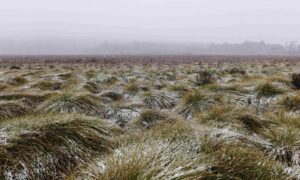
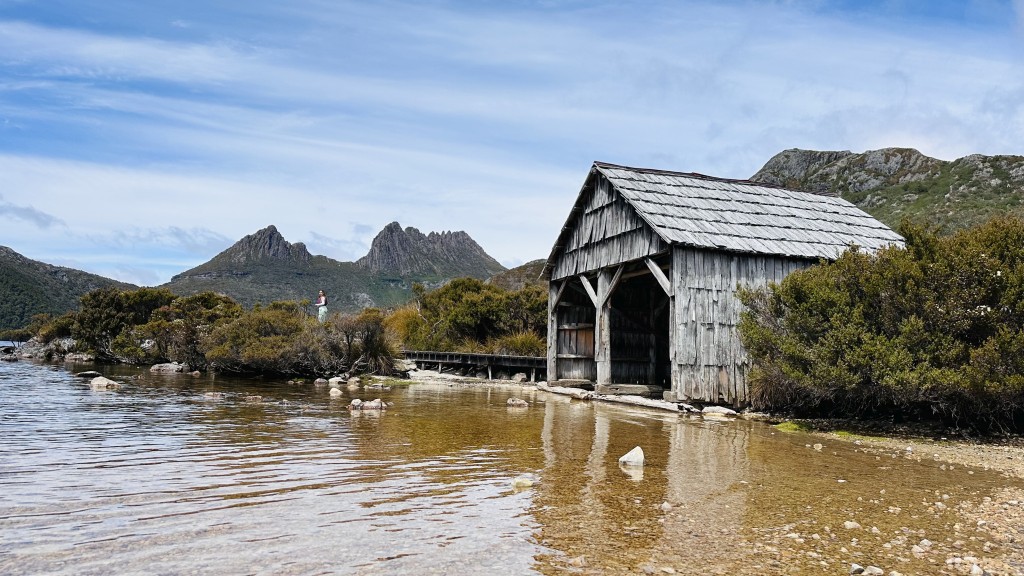
The island state of Tasmania in Australia is renowned for its breathtaking lake, coastal and mountain landscapes. The heart-shaped island, which is located about 240 kilometres south of the state of Victoria, is tucked away at the bottom of the Australian map, where craggy mountains rise out of the mist, glacial lakes glitter like emeralds, and illuminating rainforests whisper words of wisdom and tranquilly.
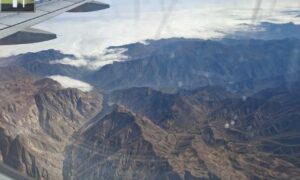
Surprisingly, Nepal, a mountainous country located over 12,000 km northwest on the opposite side of the world, has a similar landscape. Situated between China and India, this landlocked treasure is well-known for its breathtaking mountains, which are among the highest in the world, as well as its fresh lakes and beautiful valleys.
An incredible symphony, Nepal’s diverse landscape has drawn adventurers, seekers and environment enthusiasts: an amazing work of art that perfectly balances cultural legacy with the natural world’s stunning splendor.
The landlocked country of Nepal in the Himalayas and the island of Tasmania, which is curled away in the restless Southern Ocean, appear diametrically opposed. Their common narrative suggests old glaciers, solid ecosystems and the various ways people have evolved to survive and thrive in these striking environments while coexisting with wild creatures.
Tasmania, an isolated island, represents the rich biodiversity of their home country for a large number of migrants from Nepal, India and other Himalayan nations. While cities may grow in response to the demands of various cultures and historical periods to make life easier, the natural world continues to expand regardless of location on Earth. The fundamental processes of growth, adaptation and resilience are strikingly constant, regardless of one’s location—from the towering summit of Everest to Tasmania’s rocky coastline.
Home is a safe haven with walls of comfort, a roof of memories, cozy blankets of belonging and a place where our hearts find peace. A distinct fusion of boundless scenery, friendly towns, and the whisper of a crisp wind brings mountain people back to their homeland.
One never feels nostalgic for Nepal looking down from the top of Mount Wellington/Kunanyi, where refreshing breezes affectionately embrace as a mindful therapy.
The dense cluster panorama of Hobart City makes you dwell for a moment. Visitors are fascinated with the preservation of both contemporary and ancient art. The stunning vista of Wine Glass Bay at Freycinet brings you back to your younger years. The beaches, cliffs and fauna of Bruny Island, along with its spectacular terrain, can truly take your breath away.
One of the key narratives in the history of the state and the country is the iconic sandstone bridge of Richmond and the Port Arthur Historic Site, which is recognised by UNESCO as a World Heritage Site. Cradle Mountain is a remarkable natural history guide that provides a wide range of walking paths and amazing wildlife encounters.
The capital of the island, Hobart, the bustling Launceston markets, and Queenstown, the location of filming, evoke memories of the Hollywood films of the sixties and seventies.
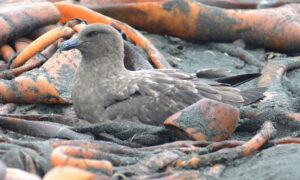
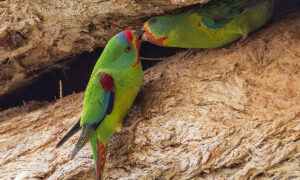
Birds create every move with a melodic sound of home. Tasmania is the finest location for bird watching, including easy-to-spot species such the Australasian shoveler, Australian shelduck, black swan, green rosella, musk duck, pied oystercatcher, forty- spotted pardalote, Tasmanian hen and black currawong. Additionally, you may come across many other animals such the ringtail possum, wombat, echinda, Tasmaninan devil and eastern quoll.
You are amazed by Tasmania everywhere you go. You never get older in Tassie’s surroundings. The connections between humans, animals and nature on a single page—relationships that are now doomed in the name of modern progress. You get a sense of being heroes from the 1970s in the cities. People who are interested in adventure, history, the arts, hiking, bird watching, animal watching and everything in between should check out this isolated island. One of the most breathtaking places on earth where people enchantingly coexist with the natural world.
Perhaps the clearest illustration of how contemporary society can coexist with nature without endangering any living thing while still living in the cutting edge of the technological age is Tasmania.
Not only does Tasmania seem like home to Himalayan natives, but it also welcomes anyone seeking new flavours or a chance to experience the splendour of the natural world.
But as the state’s terrain is altered by high evaporation rates, unpredictable rainfall and rising sea temperatures, Tasmania’s natural resources are confronting a number of climate-related issues. According to an elderly local, one of the noticeable challenges Tasmania is currently facing is that wind speeds are also fluctuating, which adds to the unpredictable weather mix Tasmania will face a new reality in the years to come due to these intertwined climate influences, which are like threads in a complicated tapestry.
To preserve this lovely island in the first place, resilience and creative thinking will be needed.
Manish Prasai is a Nepali storyteller and media professional currently living in Tasmania. With over 14 years of experience in journalism, filmmaking and communications, he has worked with national and international media outlets to craft stories that inform and inspire. Now studying Screen and Media in Hobart, he also volunteers at Hobart FM and serves as Secretary of the Nepali Society of Tasmania. His work focuses on community, culture and giving voice to underrepresented stories.
Tasmanian Times (TT) is a community-based news and current affairs service covering the island state of Tasmania. It exists to provide a diverse view of Tasmanian issues. TT creates and supports independent media content utilising the best of modern technologies and tried-and-true practices of public-interest journalism.
Support us in expanding our coverage and developing new content by and for Tasmanians.
New initiatives on the way include:
- a weekly podcast covering current affairs
- a revamped website
- a monthly cartoon competition
- a user-friendly app for both Android and Apple devices
- a weekly roundup of key stories