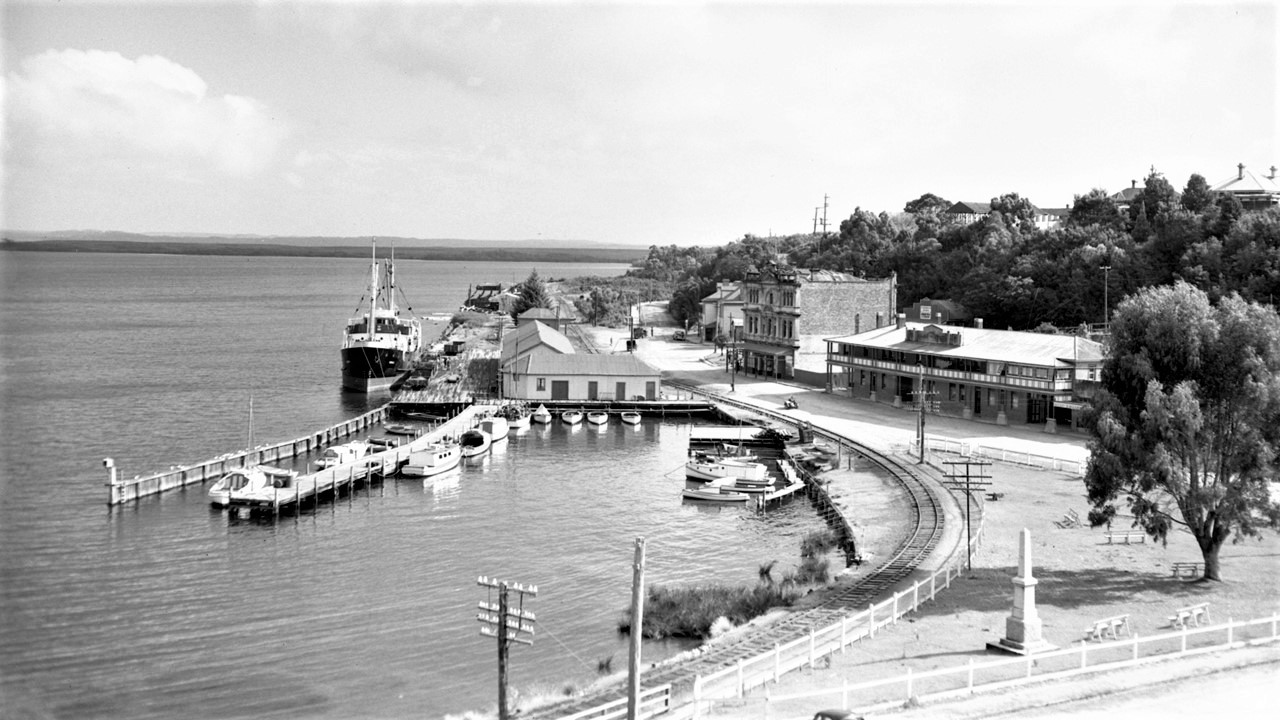
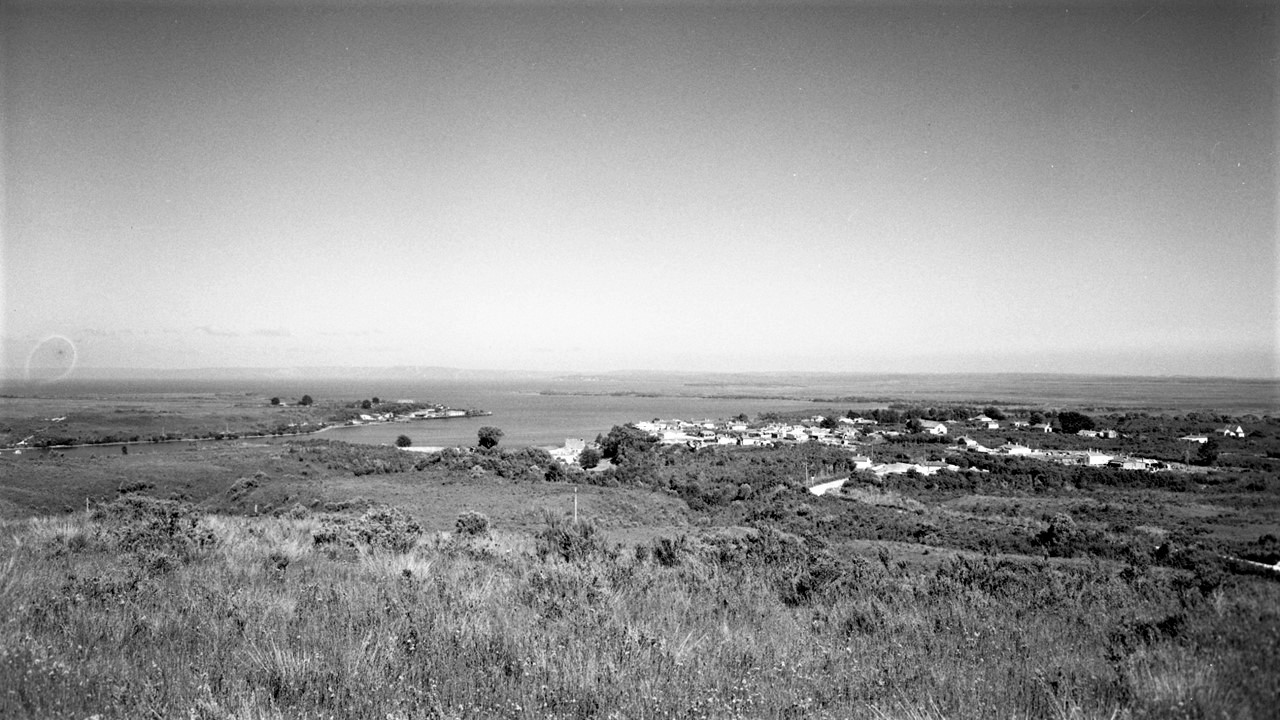
On the north shore of Macquarie Harbour, Strahan stands as a secluded town with a rich history.
It served as a bustling port during the convict era, but today it is a charming gateway to the surrounding wilderness.
Namesake
Strahan is named after Tasmania’s fifth governor, Sir George Cumine Strahan.
He was born on Saturday, 9 June 1838, and entered the British Army at the age of 19 after graduating from the Royal Military College in Woolwich, England.
In 1859, Strahan’s journey into colonial administration began when he became the aide-de-camp to the lord high commissioner of the Ionian Islands. He went on to hold several other administrative positions, and in 1880, he was appointed as the Governor of Tasmania.
During his tenure, Strahan supported public works projects and education, and took an interest in the colony’s hospitals and public institutions.
After his term as the governor of our island expired in 1886, Strahan was appointed as the Governor of Hong Kong. Unfortunately, fate had other plans, and he passed away before he could officially step into the position.
History
The land Strahan now occupies was once the home of the Toogee people.
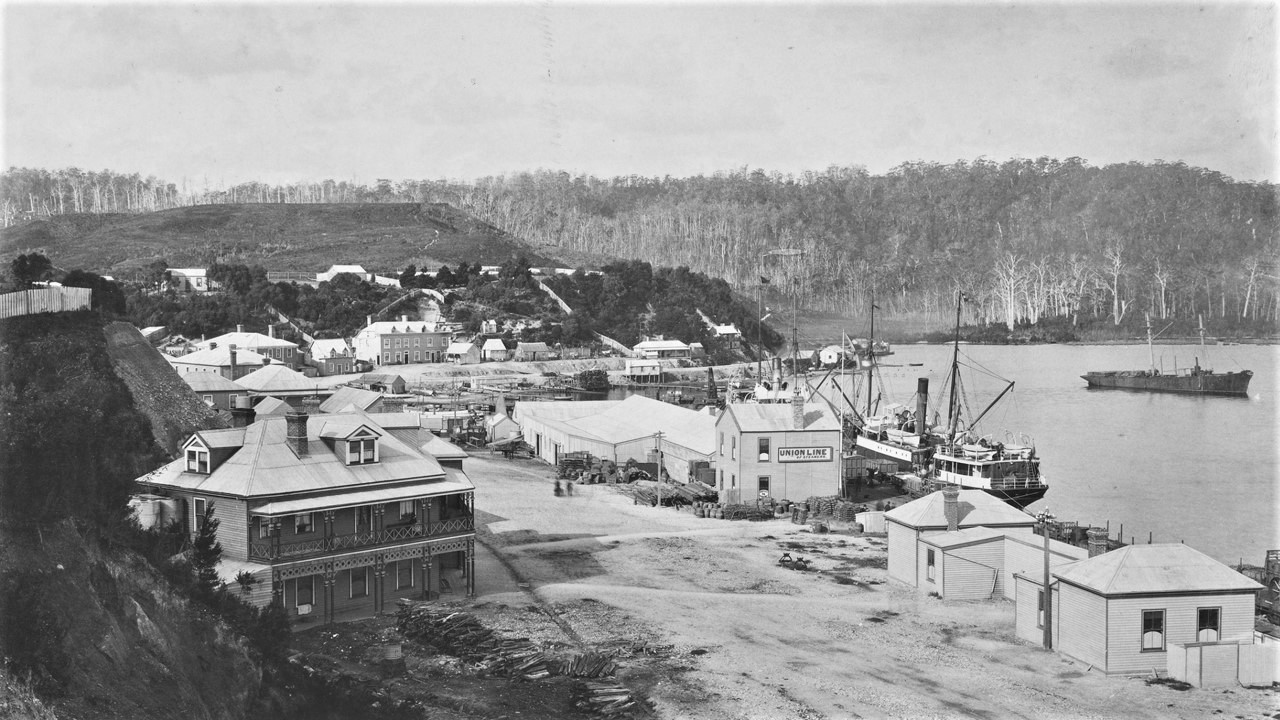
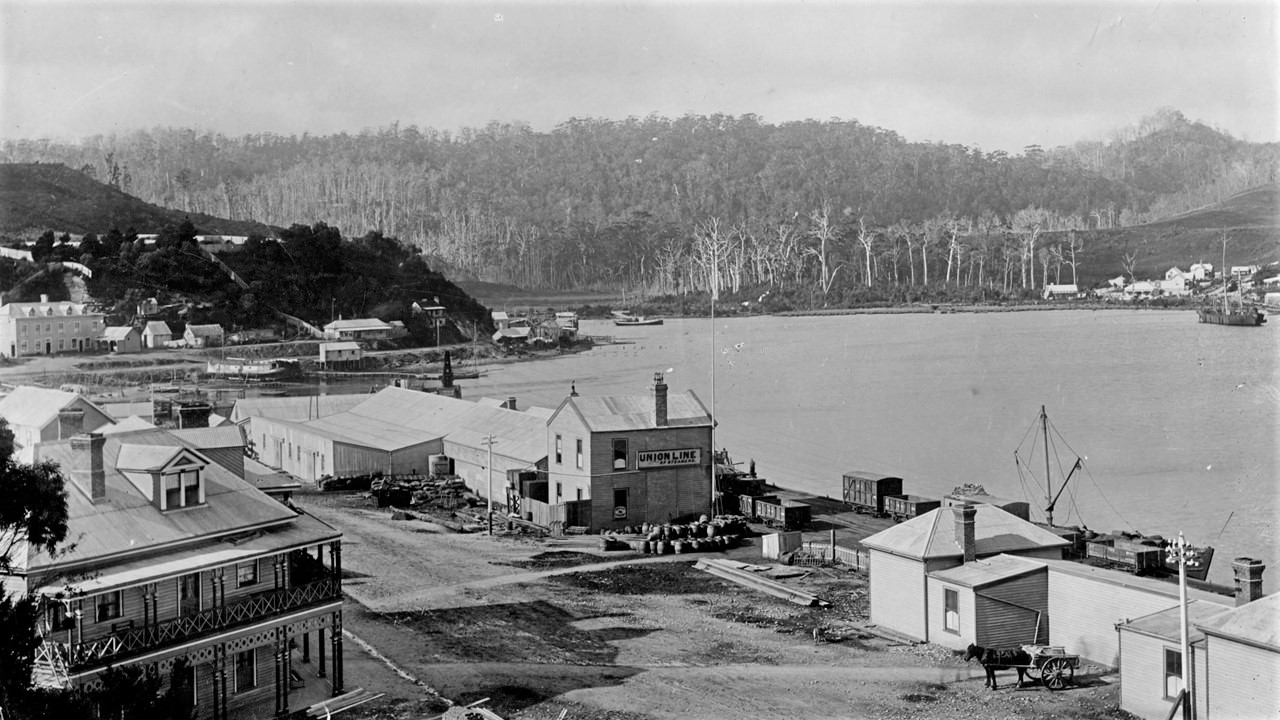
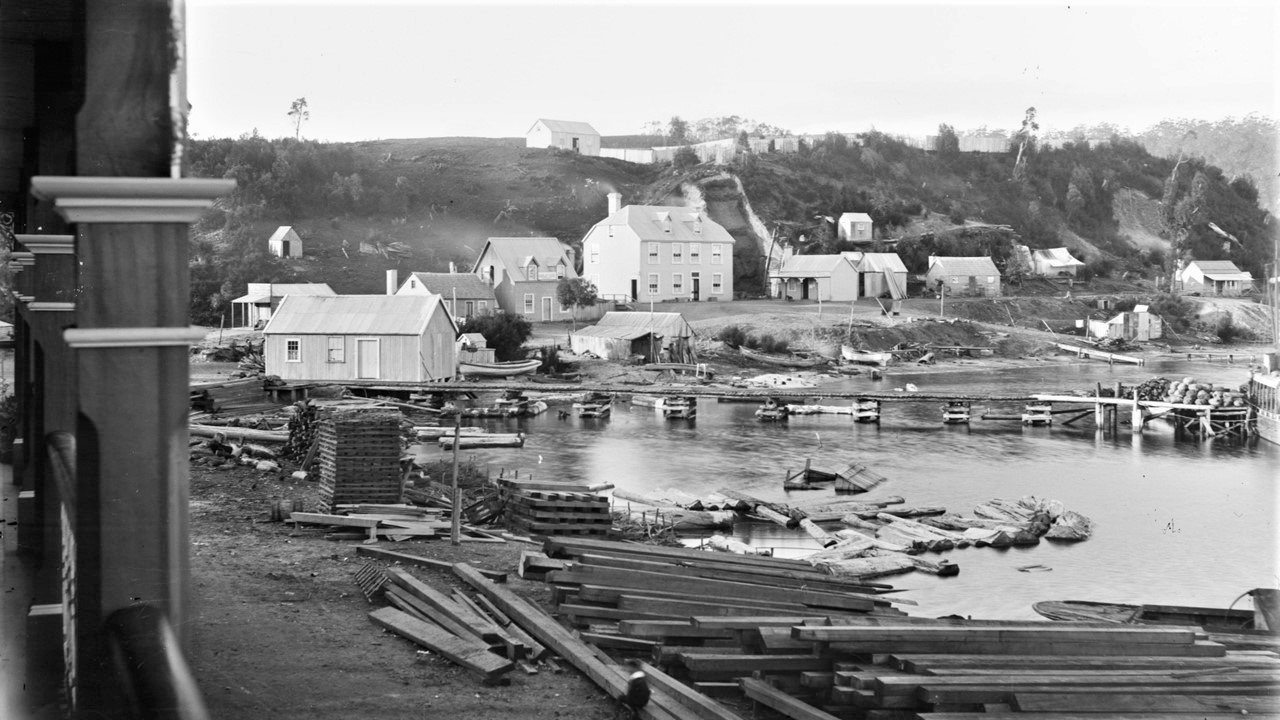
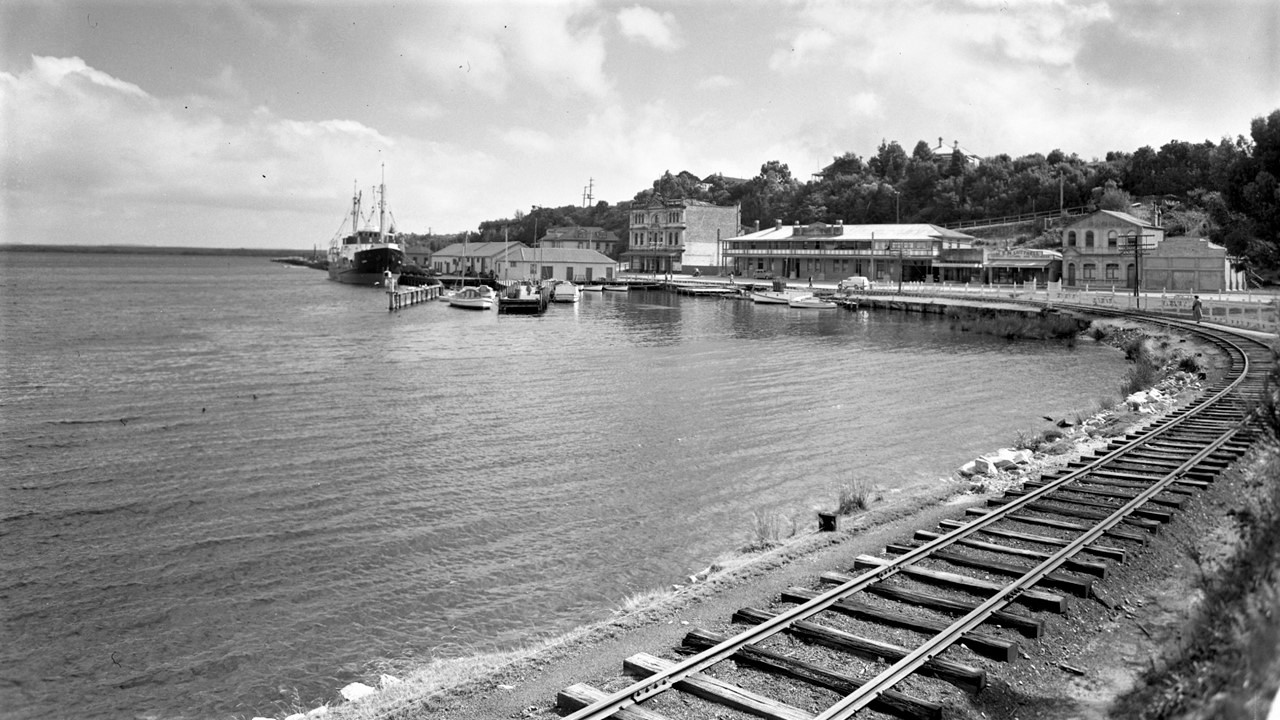
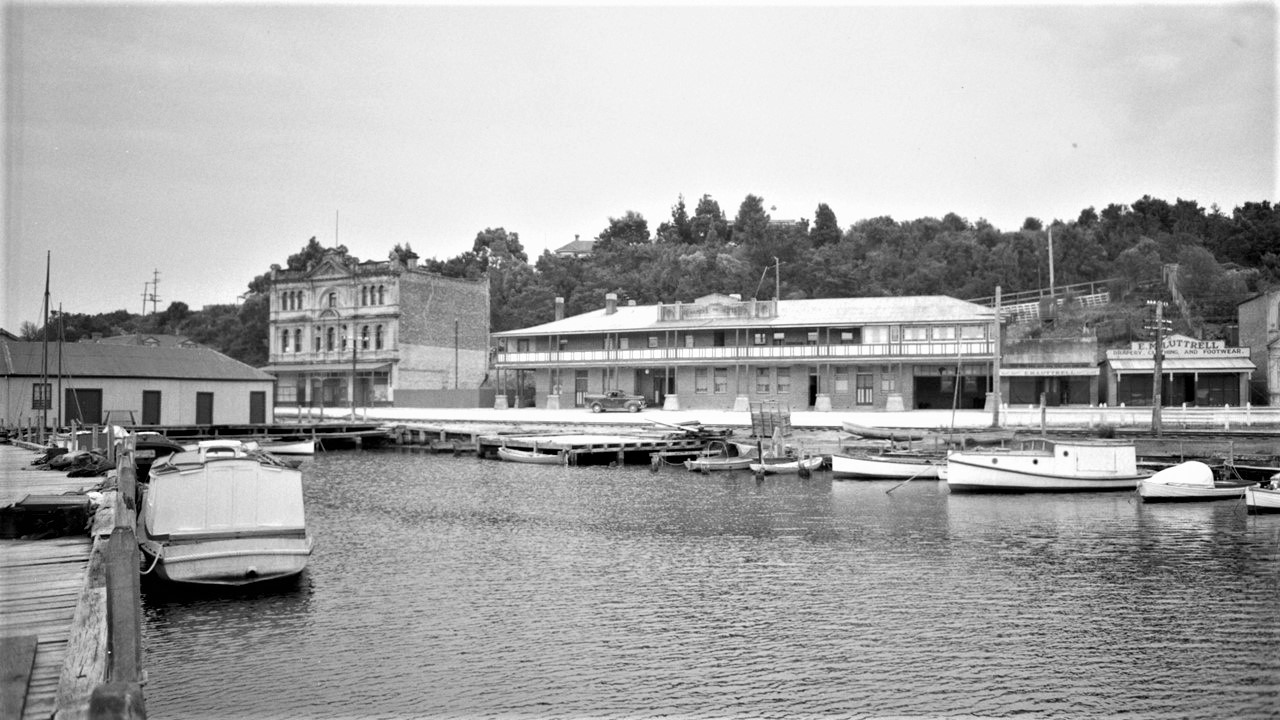
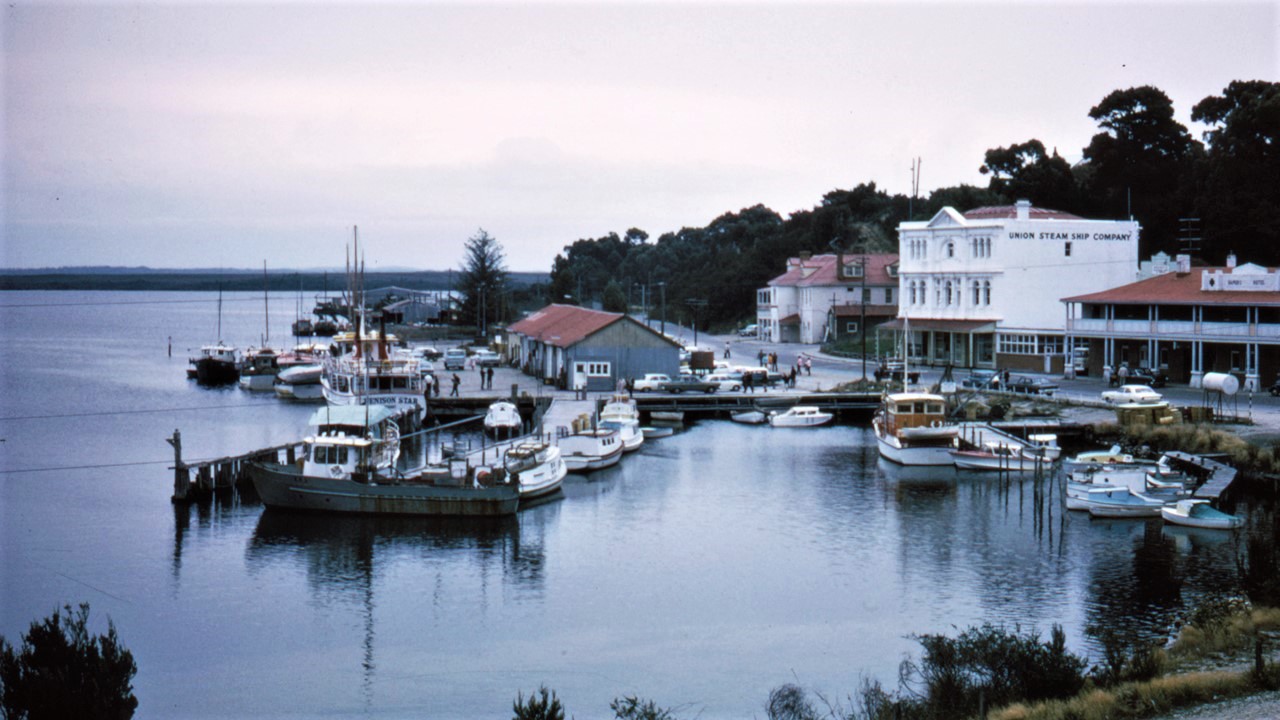
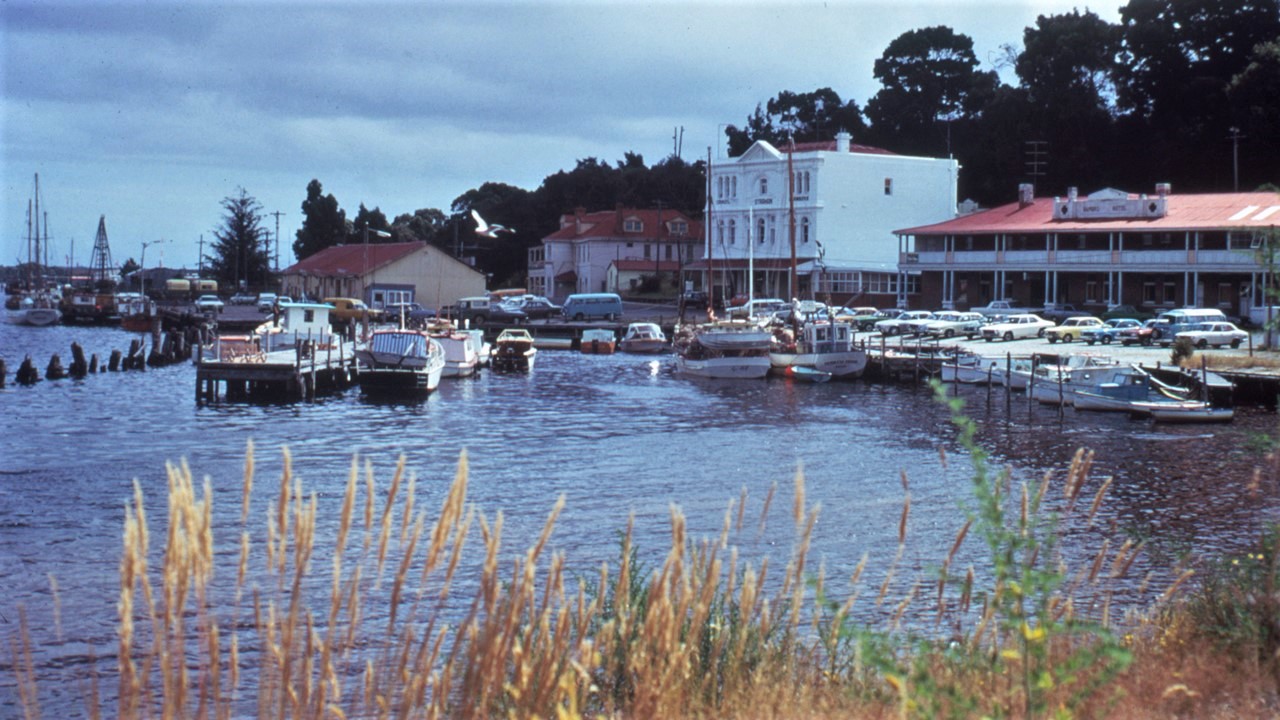
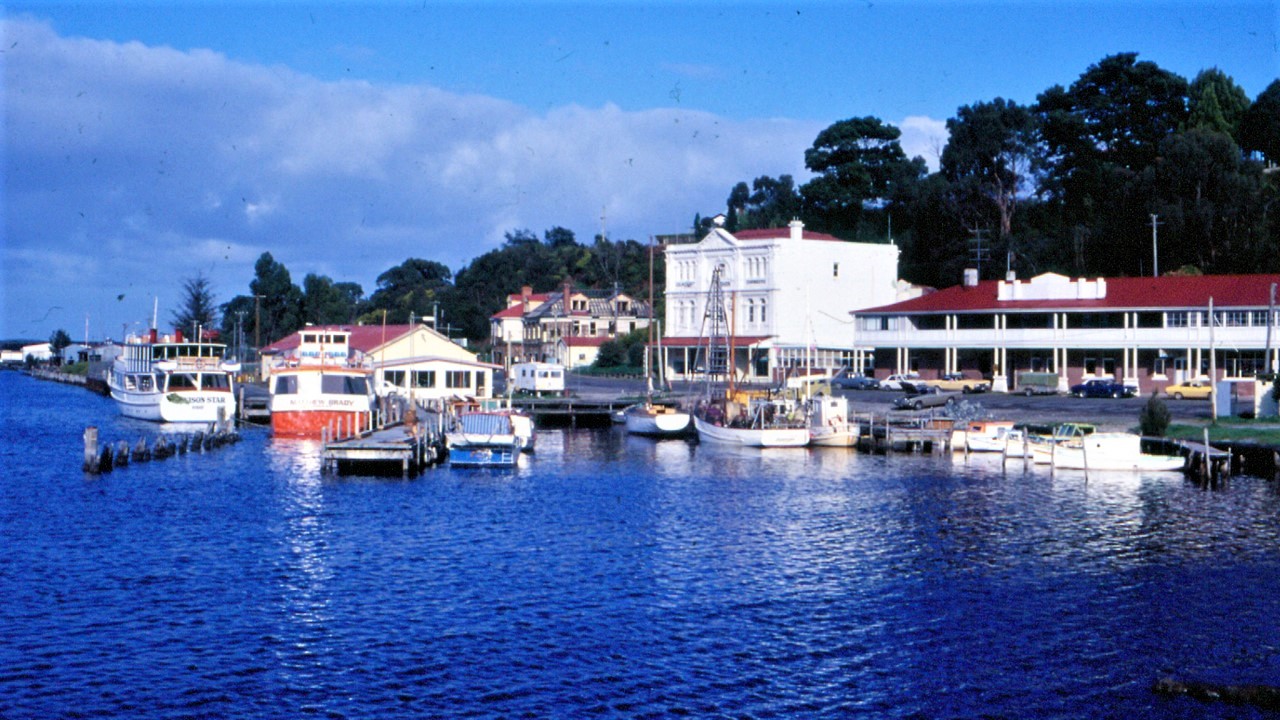
Strahan began its life as a small port and was known interchangeably as Long Bay and Regatta Point. It was officially called Strahan in 1877, when it began to grow and develop to support the mining fields on the west coast.
In 1890, a railway was built between Strahan and the mining town of Zeehan, facilitating transportation and connectivity between the two towns.
Strahan was officially recognised as a town two years later, in 1892.
The year 1899 saw another significant development for Strahan: the construction of the ABT railway from Queenstown. With this new railway in place, Strahan experienced a substantial boost in activities, becoming one of Tasmania’s busiest ports. It was home to over 2,000 people by this time.
Strahan remained a thriving port town for several decades, with the two railway lines playing a vital role in sustaining its growth and importance. They ceased operations in the 1960s, however, leading to a decline in Strahan’s status as a port of access for nearby mining towns.
* * *
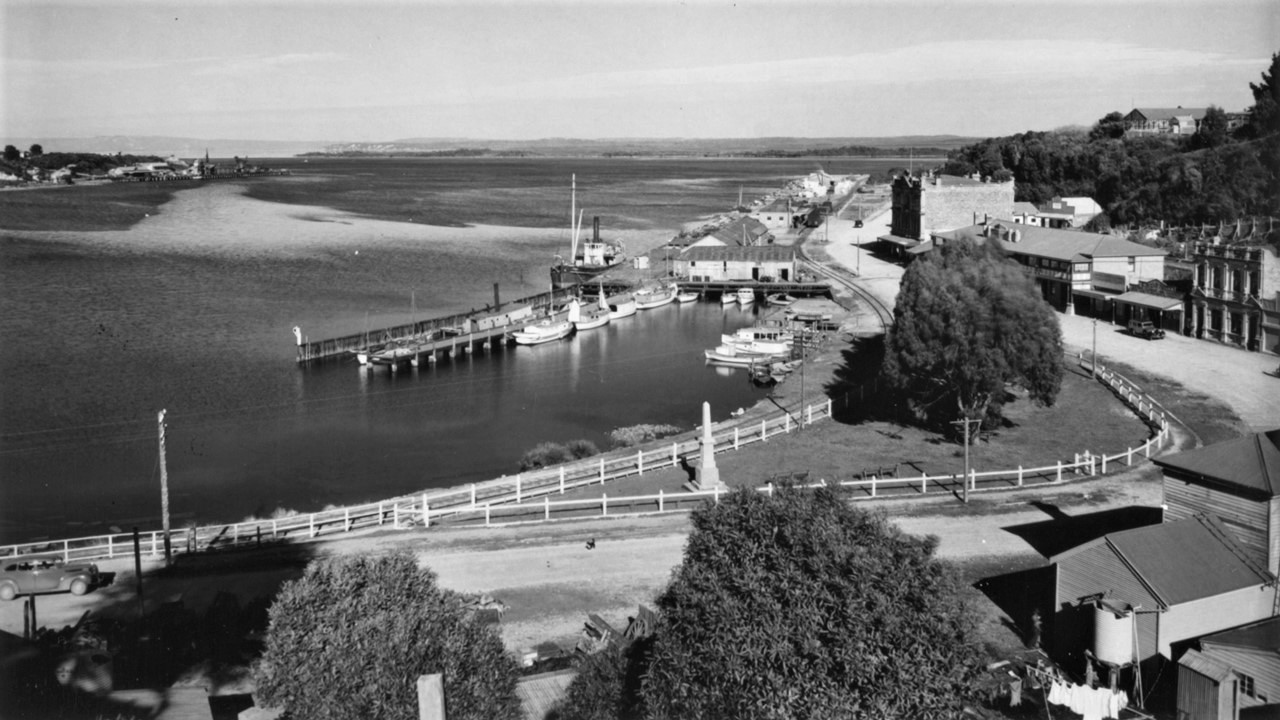
Strahan’s story did not end with the railway closures.
It quickly became a popular tourist destination, with cruises of Macquarie Harbour and the Gordon River beginning in 1969.
A celebrated play called The Ship That Never Was has been performed regularly at Strahan since 1994. It recounts the true story of ten convicts who escaped from the Macquarie Harbour Penal Station in 1834 on a ship called Frederick.
Additionally, the ABT railway between Strahan and Queenstown was re-opened in 2002 as the West Coast Wilderness Railway. It offers regular heritage train tours along the 35-kilometre track.
Photo Gallery
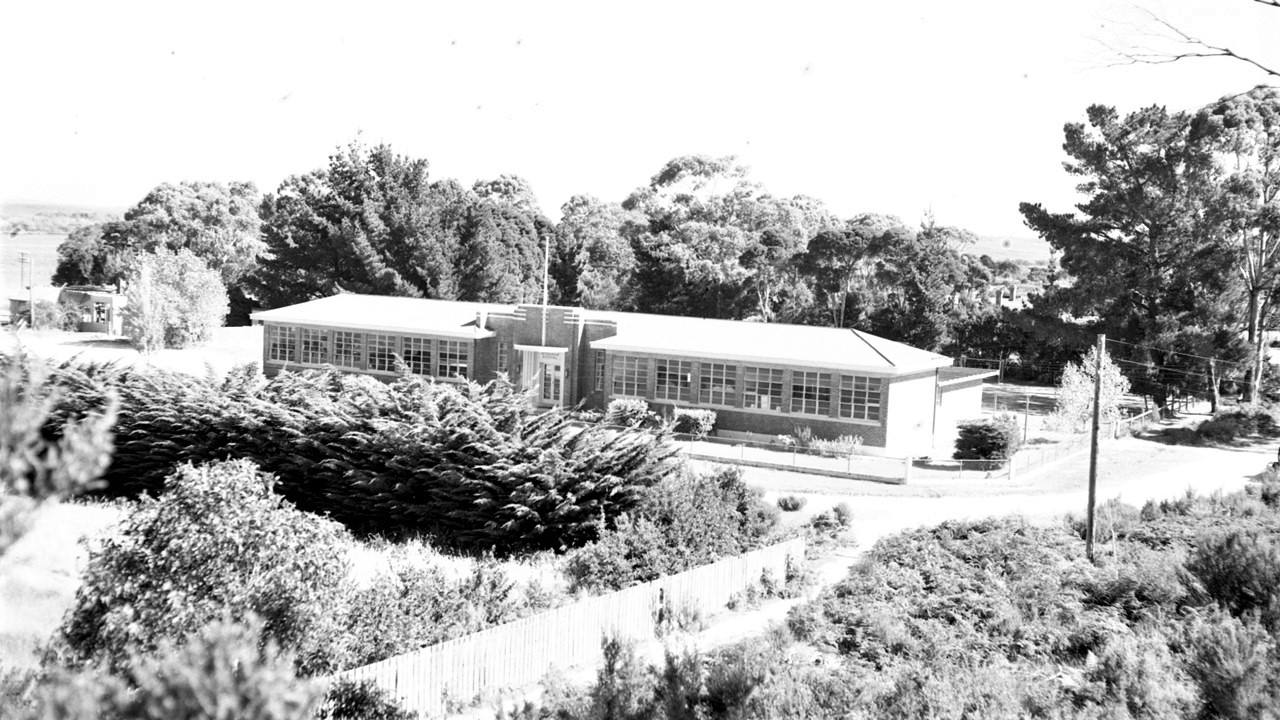
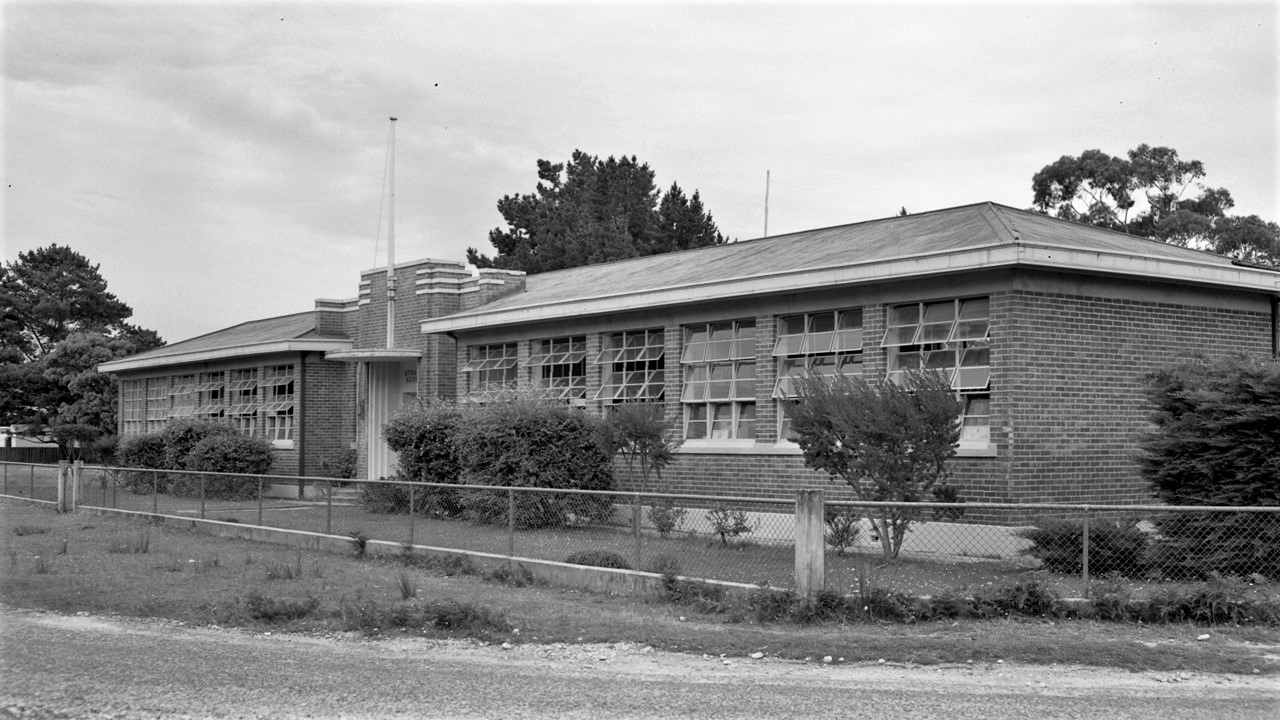
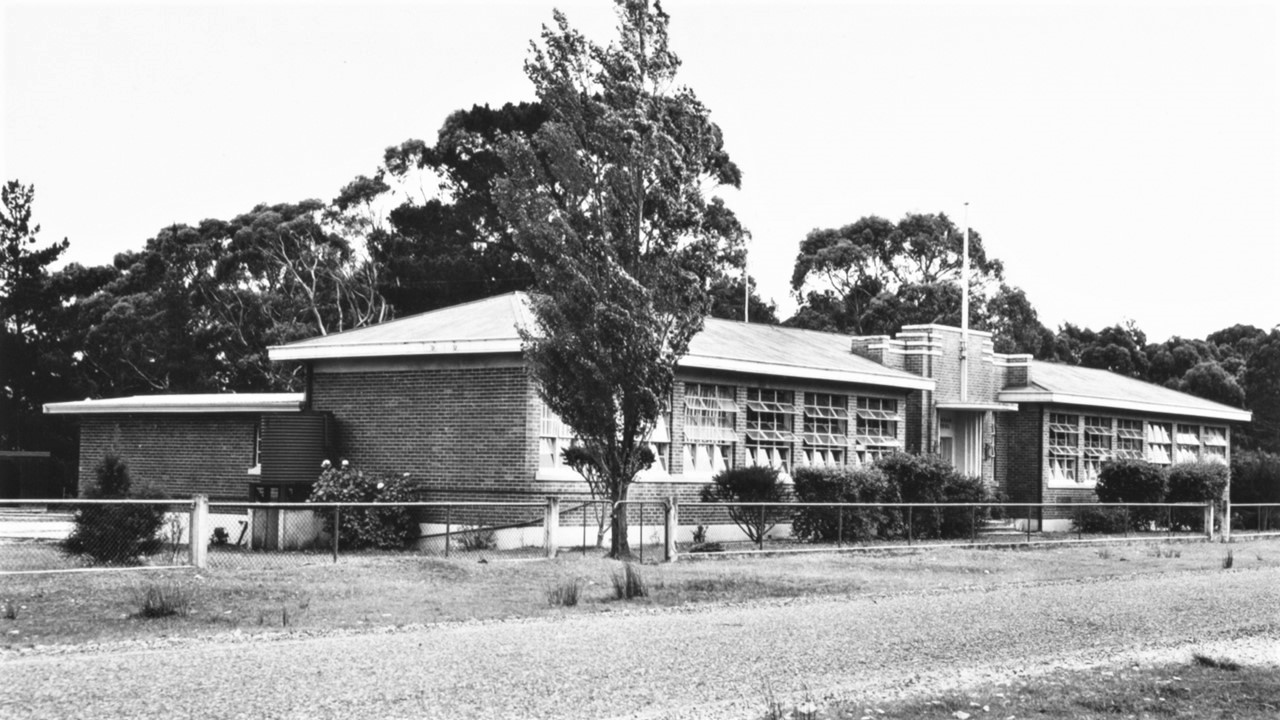
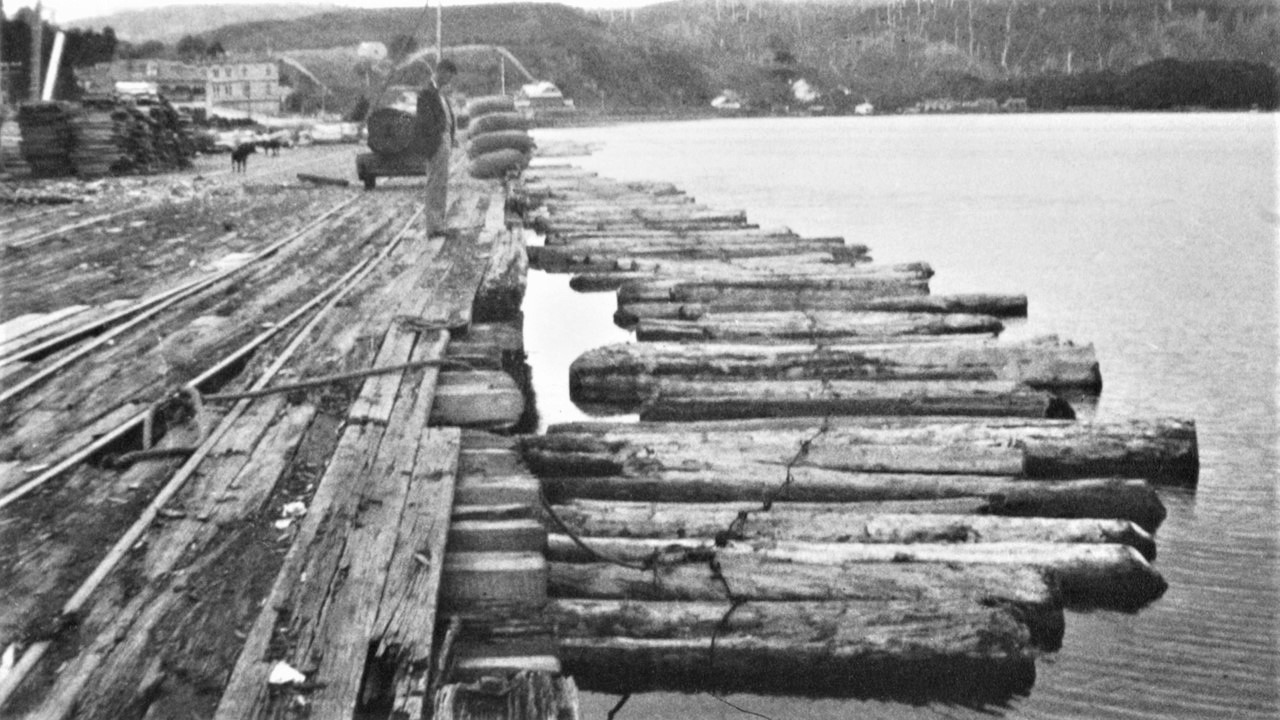
Bibliography
- Strahan (The Companion to Tasmanian History)
- Strahan, TAS (Aussie Towns)
- The west coast story: A history of Western Tasmania and its mining fields (revised edition) by Kerry Pink
- The Huon pine story: The history of harvest and use of a unique timber by Garry J. Kerr and Harry McDermott
- ‘Strahan, Sir George Cumine’ (1838–1887) (Australian Dictionary of Biography)
- West Coast Wilderness Railway
Tas That Was is a column that includes:
- anecdotes of life in Tasmania in the past;
- historical photographs of locations in Tasmania; and/or
- documentaries about locations in Tasmania.
If you have an anecdote or photograph you’d like to share with us, please send it to [email protected].
Callum J. Jones studied English, History, and Journalism at the University of Tasmania. He has written fiction and non-fiction for Tasmanian Times since 2018, and can be traced by the smell of fresh coffee.
Follow him on Twitter (@Callum_Jones_10) and Facebook (@callum.j.jones.creative).