Tasmania’s colonial history is littered with stories of convicts escaping from work gangs, prison buildings, and penal settlements.
Called ‘absconders’, they would either become bushrangers, attempt to travel to another colony by sea, or start over with a new identity.
Most of them were captured and brought to justice. Some perished in the bush. Others simply disappeared, never to be seen again.
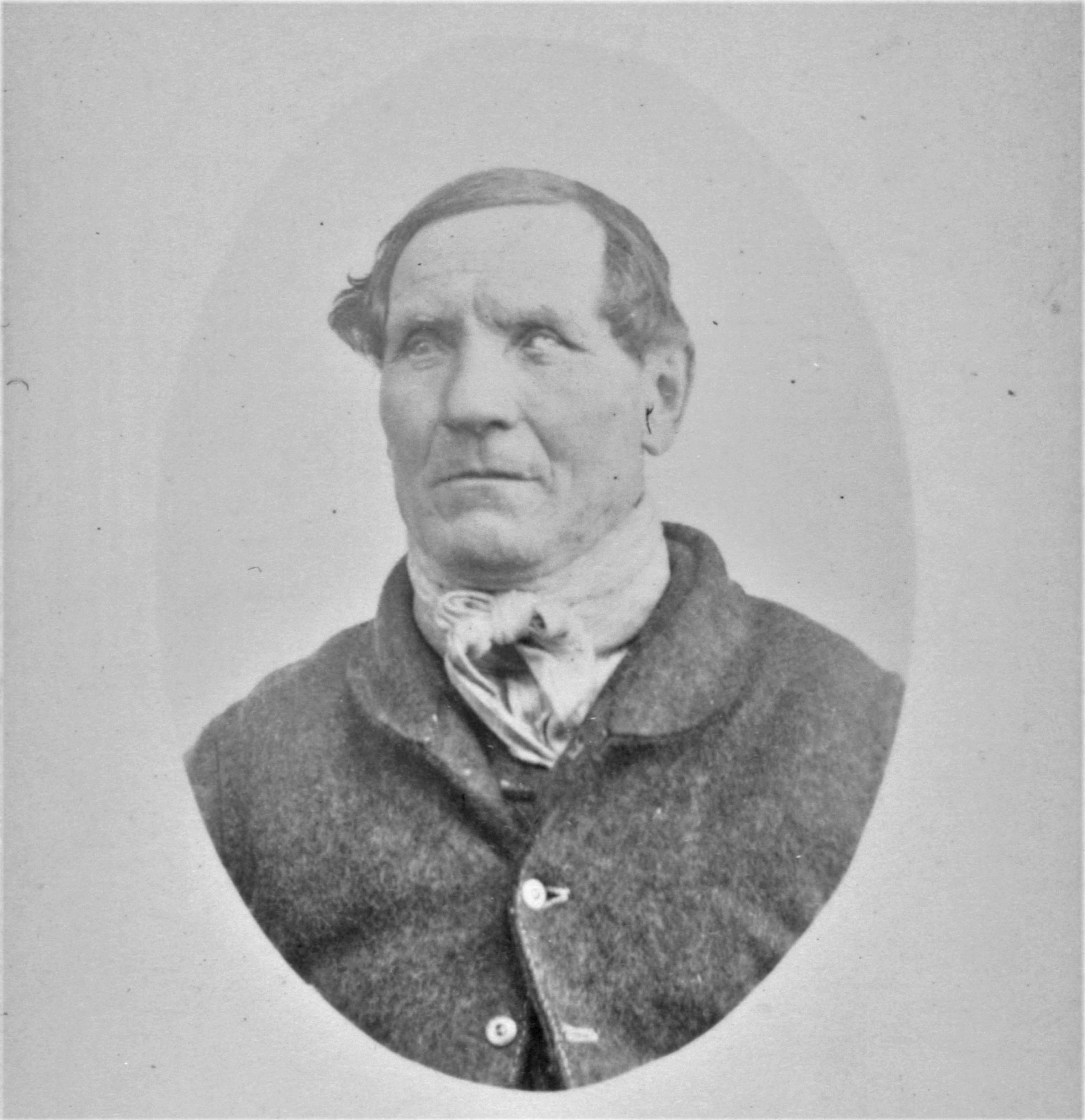
Dennis Dougherty, a convict who frequently tried to escape.
Rewards
When a convict escaped, the government of Van Diemen’s Land would issue a reward to encourage the public to help bring the convict to justice.
The standard reward was £2 (around £225 today) and the offer of a land grant. Convicts would be given a pardon.
Food, items, and equipment
Convicts would not survive on the run if they did not have adequate food and the right items.
A bag to carry things in was vital. If you were caught with one, however, you would be charged with planning an escape and punished accordingly.
Important items and equipment to pack for an escape included: water canteens; cooking utensils; knives; axes; tinder kits; blankets; and greatcoats.
Some escapees survived on mushrooms, grass roots, and berries while on the run. Others would plunder Aboriginal camps, purloin livestock, or try their hand at fishing.
There was a few who resorted to cannibalism…
Alexander Pearce
In 1819, thirty-year-old Alexander Pearce stole six pairs of shoes. He was caught and sentenced to seven years transportation to Van Diemen’s Land.
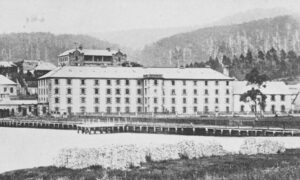
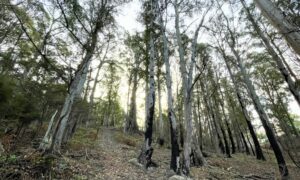
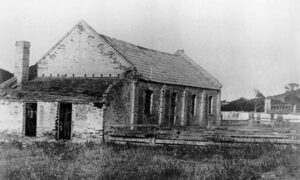
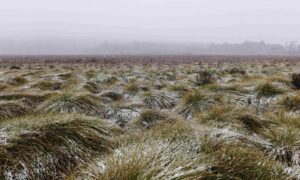
While serving a stint at the Macquarie Harbour Penal Station in 1822, Pearce escaped with seven over convicts (Robert Greenhill, Alexander Dalton, Thomas Bodenham, William Kennerly, Matthew Travers, Edward Brown, and John Mather). Their goal was to travel to the settled parts of the colony, which meant traversing the wilderness of western Tasmania.
Eight days later, they were starving and nowhere near civilisation. Their only hope for survival was cannibalism.
Members of the group were picked off and eaten one-by-one until only Pearce was left. He eventually made it to the settled districts, and lived rough for several months before being captured.
No-one believed him when he confessed to cannibalism. They thought he was covering for his mates at large.
Pearce was sent back to Macquarie Harbour but escaped again, this time with a convict named Thomas Cox.
He surrendered himself eleven days later at the mouth of the King River. Human flesh was found in his pocket. Cox’s mutilated body was discovered nearby.
Pearce was subsequently found guilty of cannibalism and was hanged in Hobart on 19 July 1824.
https://www.youtube.com/watch?v=6pMBtD8dNIQ
Bibliography
Barnard, Simon (2014), A-Z of Convicts in Van Diemen’s Land, Text Publishing Company, Victoria.
Collins, Paul (2002), ‘A journey through hell’s gate’, The Age, viewed 9 June 2021.