A billion dollars could save our island. We’re spending it on seats.
Tasmania is in the midst of a biodiversity crisis. Feral animal numbers are on the rise, native wildlife is vanishing and the damage is piling up for farmers, communities and the environment.
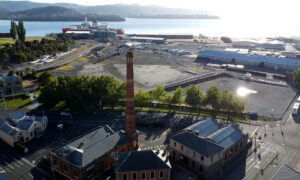
So what’s the biggest investment on the table this election? A billion-dollar stadium.
It’s not that footy doesn’t matter. Of course it does. Sport brings people together, and Tasmanians deserve great places to gather, cheer and belong.
But we also deserve healthy rivers, intact forests, penguins on our beaches and quolls in our bush.
The question isn’t whether sport is worth investing in – it’s whether this is really the best we can do with a billion dollars. Because while politicians squabble over concrete and contracts, the ecological fabric of this island is coming apart.
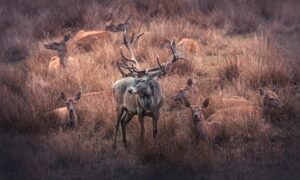
Currently, feral deer populations are increasing by at least 11.5% a year. They tear through fences, smash crops, cause car crashes and strip our forests bare. Their hooves churn up fragile soil, fuelling erosion and weed spread.
Yet they still have protected status under Tasmanian law.
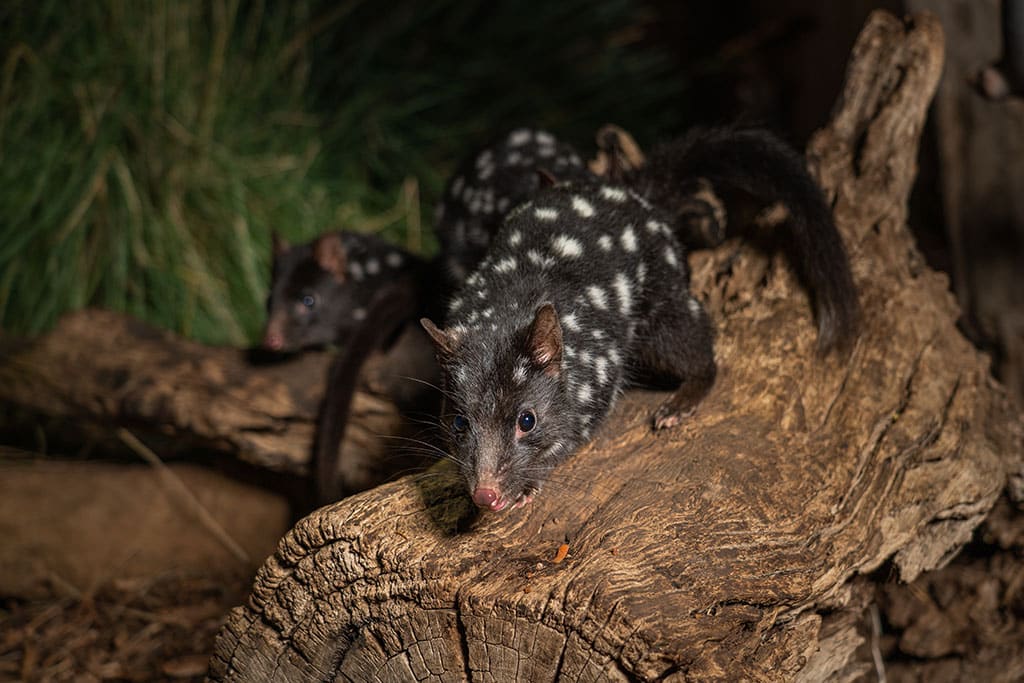
Roaming cats are silently wiping out native animals – everything from blue-tongue lizards, eastern quolls and fairy penguins is a potential target. Every year, cats kill millions of native creatures and spread toxoplasmosis, a disease that causes miscarriages in livestock and threatens the health of pregnant people and immunocompromised Tasmanians.
Weeds like gorse, serrated tussock and Spanish heath are choking farmland and forests, costing Tasmania over $58 million a year in lost productivity and control.
According to the 2024 State of the Environment Report, every single high-threat invasive species assessed in Tasmania has expanded its range and impact since 2009.
These threats won’t go away on their own. And they won’t wait for the next election.
But every day we delay, the damage grows and so does the cost of fixing it.
The good news? We have the solutions – and they’re affordable. What we don’t have is the political will, and therefore, the funding.
And that’s what makes this stadium moment so frustrating. Because for a fraction of the cost, we could deliver game-changing wins for Tasmania’s environment and economy.
For less than 7% of the stadium budget, we could eradicate feral cats from all 14 offshore islands dealing with this invasive species, including Bruny, Maria and Lungtalanana (Clarke Island).
That’s more than 360,000 hectares of cat-free habitat – permanently protected for wildlife. Ground-nesting seabirds like petrels and shearwaters could safely breed, while the islands themselves could provide a safe haven for small mammals like bandicoots, while we tackle the issue of feral cats on mainland Tasmania.
For just 6% of the stadium spend, we could build four new cat shelters across the state as well as desex and vaccinate every pet cat in Tasmania – helping ease the burden on overstretched shelters and reducing stray cat numbers at the source.
For a similar price tag, we could remove deer protections, fund professional control and set up a dedicated feral deer team to protect farms and forests. We could eradicate deer from the Tasman Peninsula, Bruny Island and the north-west before it’s too late. We could boost weed control, support First Nations conservation and create feral-free island sanctuaries to make Tasmania a global leader in wildlife recovery.
This stadium has shown that our inaction on invasive species in Tasmania is not a matter of money.
It’s a matter of priorities.
Right now, we’re treating invasive species as background noise – something to deal with later. But “later” has already cost us 41 native species added to the threatened list since 2002. And the longer we wait, the harder and more expensive the fix.
Tasmania has a chance to show the country – and the world – what real leadership looks like. To protect what’s left. To restore what we’ve lost. To invest in the natural inheritance that defines us, rather than just another development that divides us.
Because once the wildlife is gone, the forests are choked and the land is scarred – no one’s going to care how nice the seats were.
Dr Alexandra Paton is a Tasmanian Conservation Officer at the Invasive Species Council
Tasmanian Times (TT) is a community-based news and current affairs service covering the island state of Tasmania. It exists to provide a diverse view of Tasmanian issues. TT creates and supports independent media content utilising the best of modern technologies and tried-and-true practices of public-interest journalism.
Support us in expanding our coverage and developing new content by and for Tasmanians.
New initiatives on the way include:
- a weekly podcast covering current affairs
- a revamped website
- a monthly cartoon competition
- a user-friendly app for both Android and Apple devices
- a weekly roundup of key stories