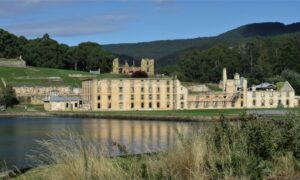
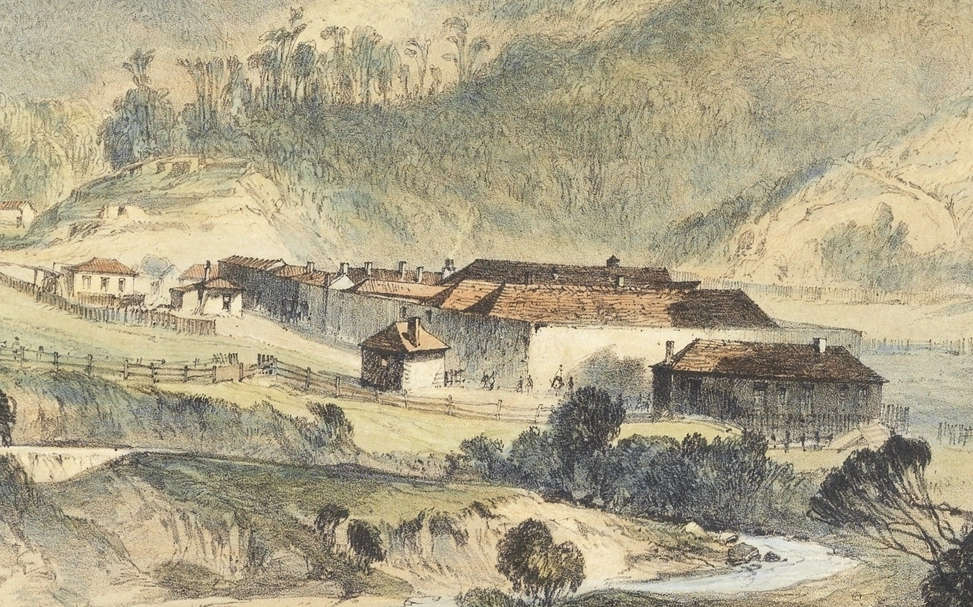
Tasmania’s convict history has always fascinated me. At Port Arthur, I’ve felt the uncanny juxtaposition of beauty and tragedy that hangs in the air. Visiting the Cascades Female Factory in Hobart, I’ve touched the rough sandstone wall surrounding that brutal place where women scrubbed laundry in the bitter cold for up to 12 hours a day.
My family stayed at a former convict outstation turned into accommodation when my children were young, and we told them censored tales about the convicts who were flogged and housed in dank, overcrowded cells. We even braved the Port Arthur ghost tour in the inky darkness – twice.
I’ve visited the cells at Richmond Gaol and seen slashes carved into stone that mark off weeks, months, years of a prisoner’s existence. I have even shut myself into a suffocating solitary cell to experience the terror of sensory deprivation. Convicts were something I knew a lot about – or so I thought.
So when I began writing Blackwater, a Gothic psychological thriller set in the current day, it was a natural choice to create a fictional convict outstation for women. According to The Female Convicts Research Centre, 13,500 women were transported to Tasmania as punishment for their crimes between 1803 and 1853, and I wanted to explore what life was like for them.
Read the full story at ArtsHub: https://www.artshub.com.au/news/opinions-analysis/the-forgotten-history-of-tasmanias-convict-nurseries-2642702/.