Forty-two per cent of us are consuming less meat or not eating meat at all according to a report by Food Frontier.
Health is the number one reason people are steering clear of meat, followed by concerns around animal welfare and the impact of the food system on our environment. This dietary change is reflected in the stunning growth of the plant-based food sector in Australia, which is happening despite the huge disruption of the pandemic.
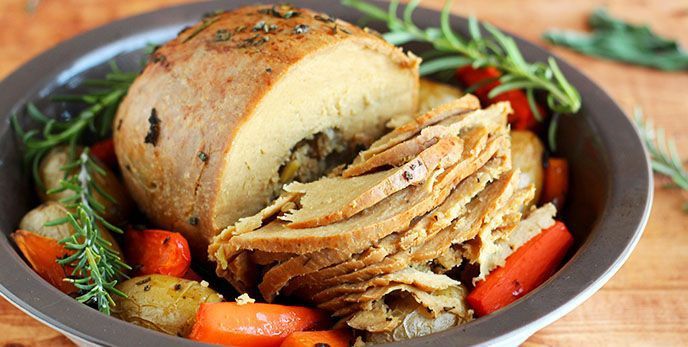
During the 2020 financial year in Australia, the number of plant-based products on grocery shelves more than doubled, and that applies even to my local supermarket in Claremont, Tasmania. Retail sales of plant-based meat rose by 46 per cent and manufacturing revenue and employee numbers doubled in the plant-based industry sector.
Growth in the demand for plant-based protein is an encouraging sign for struggling farmers. Those growing legume crops for plant-based meats stand to benefit from selling these crops into the domestic supply chain. It represents a real opportunity for Tasmanian and our federal government to invest in plant-based alternatives and assist farmers to transition away from animal industries.
The scope for plant-based meat is projected to be a $3 billion opportunity for Australia by 2030 according to an analysis of the plant-based meat sector conducted by Deloitte Access Economics. Barclay analysts predict alternative meat will become a $189 billion industry globally by 2029. For forward-thinking governments, farmers, investors, and manufacturers the potential is vast and acting early is likely to capitalise on the sector’s projected growth.
There seems little reason Tasmanians cannot capitalise on this opportunity. Around the world, first movers have already recognised the environmental, public health and food security benefits of the plant protein sector. In 2020, the Canadian government invested $100 million to establish a world-first canola and pea protein extraction facility, supporting Canadian farmers. The EU’s European Commission provided 8.2 million euro to develop protein-rich foods from plants and New Zealand has invested 11.8 million into research on combining plant-based and cell-cultivated proteins.
As a nation, we detest cruelty to animals and the suffering of hundreds of millions of Australian animals in factory farms doesn’t sit well.
Even here in Tasmania animals are permanently confined together in cages or sheds, subjected to a variety of artificial breeding programs, painful procedures, artificial lighting, and a regime of antibiotics.
Intensive farming uses antibiotics to prevent animals from getting sick in conditions that can include over-crowding, poor ventilation and limited access to fresh air and sunlight. Many of the antibiotics used to treat human infections are the same ones over-used in livestock, thus weakening our defences. The World Health Organization has named antibiotic resistance as one of the biggest global threats to public health, food security, and sustainable development.
Farmed animals suffer because they are made exempt from cruelty laws and have significantly less legal protection than do pets. The high cost of intensive farming on the environment is well documented – the use of vast amounts of global water resources, land clearing and harmful emissions – not sustainable in a world combating climate change. Hard-hooved animals like cows and sheep damage a landscape that evolved with soft-footed marsupials.
Everyone who isn’t buying factory farmed products is already making a difference. Supermarkets and restaurants are responding to consumer demand by providing more plant-based options.
As a Senate candidate for the Animal Justice Party (AJP), my aim is to join other AJP elected members in NSW and Victoria calling on our state and federal governments to protect our futures by transitioning away from unsustainable and cruel animal industries to more sustainable and humane plant-based farming.
Tasmanians can choose to lead and get ahead of the field or follow, and play catch up. If we choose to lead, we can only enhance the clean, green image we sometimes treasure.
Ivan Davis is a Senate candidate for the Animal Justice Party (Tas) Senate Candidate.
References
- 2020 State of the Industry, Australia’s Plant-Based Meat Sector – authored by Food Frontier
Food Frontier is an independent think tank on alternative proteins in Australia and New Zealand
Data from Deloitte Access Economics
- Sentient Media – The High Cost of Consuming Animals