
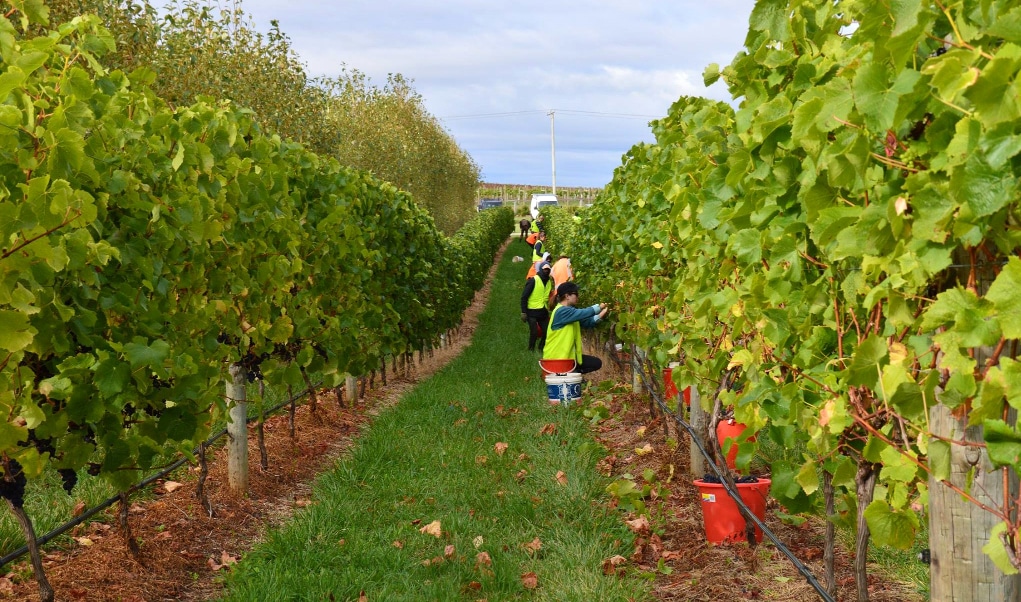
Ghost Rock Pinot Gris harvest, 2020. Image supplied.
Like bookmakers and accountants, winemakers seem to have unlimited capacity for storing numbers in their heads.
Ghost Rock’s Justin Arnold can regale you with all manner of detail if you want to chew over a wine’s technical merits. Measurements of Brix, TA, pH, grams of residual sugar – you name it – he can quote them, chapter and verse. In fact, Arnold does it with such ease you might think winemaking is just a matter of numbers and measurements.
That’s not so, he insists, drawing a sample of 2020 Pinot Noir from one of many French oak barriques that hold this year’s precious harvest. You need to grow great grapes before you can aspire to making quality wines.
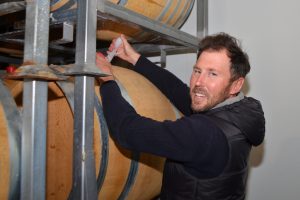
Justin Arnold Sampling Ghost Rock 2020 Pinot Noir. Image courtesy Mark Smith.
Arnold says Tasmania’s cool, damp 2020 vintage was among the toughest he’s experienced across the six vineyards and 27ha of vines he and Ghost Rock Wines co-owner Alicia Peardon manage at Northdown, five minutes from Devonport Airport.
“We normally begin our sparkling wine harvest in the last week of March,” he explains.
“Pinot Gris, Chardonnay and Pinot Noir for table wine then start coming into the winery around the end of the first week in April. We usually pick through week 2 and week 3 and we’re mostly done. This year, we needed every bit of April sunshine to get our fruit over the line. Our last day of vintage was May 5.”
Testing grape samples and keeping accurate records play critical roles in enabling a winemaker to practise their craft, but they’re only bit players in the drama that becomes a vineyard’s vintage story.
Arnold has a Masters degree in Wine Technology and Viticulture from the University of Melbourne. His winemaking experiences span three continents and more than a dozen years.
“We do our winemaking by assessment, not by prescription,” says the bloke who took over the company reins from his parents Colin and Cate Arnold in July 2017.
“You never get two vintages exactly the same. But from a consumer’s point of view, we’re still expected to maintain our quality and wine styles from one year to the next. Achieving consistency in fruit quality in the vineyard is the key to it all. It allows for more consistency in the quality of the wines we can create in the winery.”
Arnold believes the first signs of vintage challenges were evident before Ghost Rock’s vines broke bud last spring. Rainfall data from the Bureau of Meteorology reveal that in 2019 Northdown received little more than 60 percent of its average rainfall from January 1 to October 31. Persistent windy weather during critical growing seasons then impeded shoot growth and reduced fruit set across almost all blocks of early ripening varieties.
Fresh off the vine, 2020 Pinot Gris. Image supplied.
The new year brought cooler than average summer temperatures and well above average rainfall during February, March and April.
“We thought this was going to be a year that would really test us,” Arnold continues.
“It did. But we’re delighted to find our vineyards stood up to the challenges. Regardless of the year, we always do a lot in the vineyard to maximise the strengths of the region and minimise its weaknesses. We’re cooler and later here than most other regions of the State, so when we planted we made vine selections that favoured early ripening.
“We also manage our vineyards intensively. For example, we always leaf-pluck early – earlier than most vineyards – in order to really open up the canopy and get plenty of sunlight into our vines. That allows us to effectively start the ripening process slightly ahead of schedule. We know we’re always going to be among the last vineyards in the state to finish harvesting.”
With somewhere around 10-12 weeks of winery mollycoddling behind them, Ghost Rock’s 2020 Pinot Noirs now look particularly impressive as they make their way through their oak maturation phase. In late spring, Arnold will begin a busy schedule of barrel tastings with assistant winemaker Sierra Blair to determine the ultimate destination of each small parcel of wine.
“We’ll keep each batch in its own barrel until January,” Arnold explains.
“That’s when we decide which parcels will become single vineyard wines, which will become our flagship estate wine, and which will go to our early-drinking Supernatural label.
We treat every batch as a potential $55 bottle of wine.
Only a small amount will eventually make the grade, but we’re still intent on not cutting corners, on not being cheap with our use of oak or our other winemaking inputs.
“Equally important, we’re not being cheap with our viticultural inputs. Each vineyard gets its opportunity to shine. Selections that rise to the top get there on merit. As much as we might like to see certain parcels of fruit from our oldest vines make it to single vineyard status, that can’t happen unless they’re really worth celebrating.”
Ghost Rock’s award-winning cellar door re-opened recently. It trades Friday to Sunday, from 12:00 noon-4:00pm. Bookings are essential. Ring (03) 6428 4005.
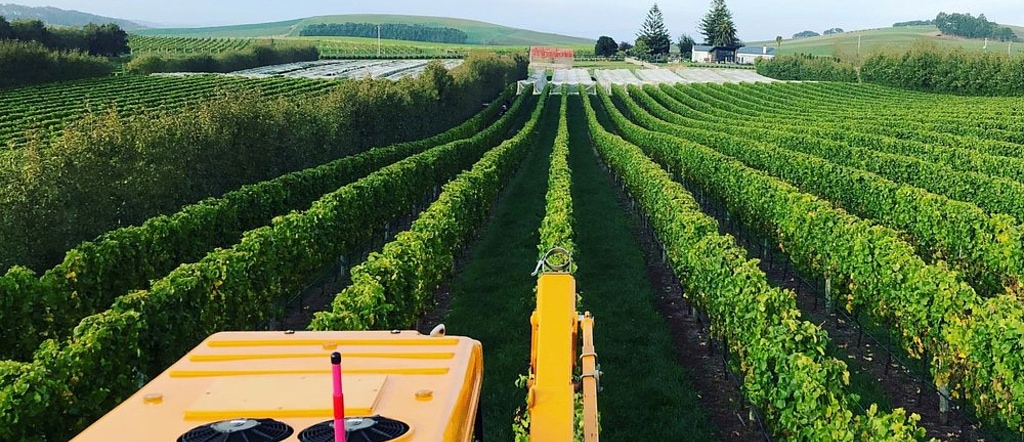
Ghost Rock – a harvester view. Image courtesy Absolute Viticulture.
Cellar door closure
Successful completion of a challenging 2020 vintage was a significant milestone for producers of Tasmanian cool climate wine. But for regular visitors to Sharmans Wines at Relbia, end of harvest celebrations were quickly dampened by news that it’s the end of the road for the bright and airy vineyard cellar door.
The 36ha property owned by Launceston’s Ian and Melissa Murrell was sold recently, and its popular cellar door sales and function facility is set to close at the end of August.
Details of new ownership and the future of the Sharmans Wines brand are yet to be disclosed.

Sharmans cellar door cheers. Image supplied.
Sharmans sprang into being as a small hobby vineyard back in the mid-1980s. Then under the ownership of Department of Primary Industry veterinarian Mike Sharman and his wife Phillipa, the venture took on the role of pioneering viticulture in the North Esk River Valley. That was long before the arrival of Josef Chromy Wines and the handful of other vineyards now operating in the district.
Family connections to Moorooduc Estate’s Richard and Jill McIntyre on Victoria’s Mornington Peninsula ensured the Sharmans were never short of advice and encouragement. With time and effort, the Relbia couple found success and were able to prove their detractors wrong. Some observers within and beyond the industry initially believed the property’s warm, sun-drenched slopes were liable to be severely frost-prone during early spring.
The embryonic wine venture hit the ground running when Sharmans’ first release of Pinot Noir won the Top Gold in its class at the 1992 Tasmanian Regional Wine Show. The wine was also awarded the Trophy for Best Light to Medium-bodied Dry Red, no small achievement given the close scrutiny and panel leadership provided by renowned wine judge and critic, James Halliday.
The Murrells entered the Relbia picture in 2012, when Mike and Phillipa Sharman finally decided to sell up to enjoy full-time retirement. In subsequent months, the original family residence underwent sensitive but extensive renovation under the watchful eyes of Melissa Murrell, a highly-regarded, Launceston-based interior designer.
Other major refurbishments and landscaping projects soon followed. The re-jigged vineyard cellar door welcomed its first guests in November 2015.
More than 220 visitors to the Sharmans Wines Facebook page have posted messages of support and thanks since the cellar door closure was first announced on June 27. Let’s hope their loss is only short-lived.
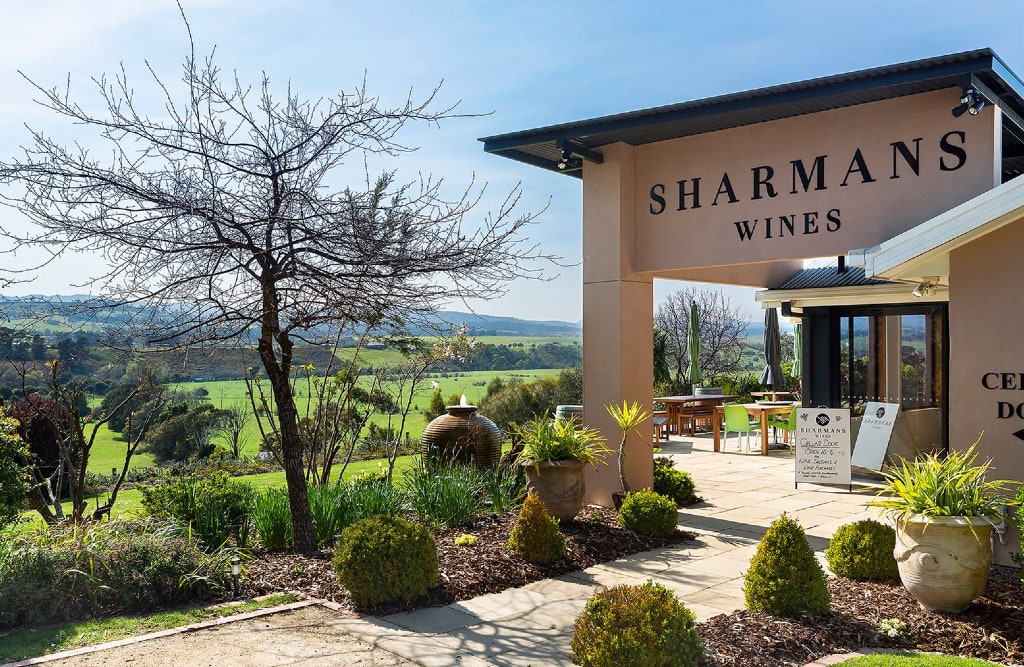
Sharmans Wines cellar door. Image courtesy Harcourts Launceston.
Hobart’s Mark Smith wrote his first weekly wine column back in 1994. Now more than 1700 features and 25 years later, he continues to chart the successes of Tasmania’s small scale, cool climate wine industry with regular contributions to some of Australia’s leading industry publications.
PICK OF THE CROP
 Mark gives you his honest opinions about the best wines available right now from Tasmania’s wine makers.
2015 Bangor Methode Traditionelle $48
With Port Arthur figuring among Tasmania’s most popular tourist attractions, Bangor Vineyard Shed outside Dunalley offers a welcome detour for road travellers. This vintage sparkling wine is one of the property’s showpieces. On opening, it has all the verve, freshness and intensity normally associated with a Blanc de Blancs, despite being a Pinot-dominant blend. Time in the glass allows toasty/bready elements to emerge, but the bright acidity and engaging citrussy flavours continue to insist that Chardonnay is doing double duty in this trophy winner. Serve with freshly shucked local oysters. www.bangorshed.com.au

2019 Eddystone Point Sauvignon Blanc $26
First released in 2013, the Eddystone Point brand brings an element of affordability to Accolade Wines’ Tasmanian portfolio featuring House of Arras sparkling and Bay of Fires table wines. Eddystone Point Sauvignon Blanc wines in particular have an unerring consistency about them. The 2019 is cast in the mould of its forebears – fine and elegant, with aromas and flavours that are clearly varietal, albeit at the herbal/vegetal end of the spectrum. Bright acidity telegraphs its cool climate origins with welcome freshness, while residual sugar is gladly kept to an absolute minimum. Neat work. www.bayoffireswines.com.au
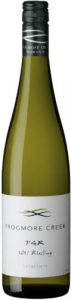
2017 Frogmore Creek FGR Riesling $28
Recent COVID-19 restrictions must surely have slowed wine sales across Tasmania in recent times. How else can you explain the current availability and discount pricing of this delicious off-dry Riesling? Vintage 2017 produced some crackerjack Rieslings in the Coal River Valley, and this glowing pale gold wine sits among them. It may be three years old but it has plenty of life left in it yet. For that, we pay thanks to some wonderfully intense limey fruit and 40 grams/litre (FGR) of residual sugar, all neatly framed by well-balanced natural acidity. Yum. www.frogmorecreek.com.au
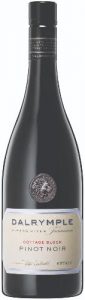
2017 Dalrymple Cottage Block Pinot Noir $64
Dalrymple vigneron Peter Caldwell is doing a fine job of preserving the wine legacy left by vineyard founder and Pinot-phile, the late Dr Bertel Sundstrup. The 2016-2017 season began in typically nervous Pipers River fashion, but was completed with stunning success after a fine, settled harvest period. The site’s low-yielding clonal selections have resulted in a deep dark wine driven by juicy black cherry and mulberry fruit. Oak is a touch firm perhaps but the wine’s poise and elegance remain largely undisturbed. Drink or cellar. www.dalrymplevineyards.com.au
ADVERTISEMENT – ADVERTISEMENT – ADVERTISEMENT