
Advertisement / Sponsored Content
This content is paid advertising and has been prepared in collaboration with the advertiser.
This post remains active as a legacy issue and is being phased out from January 2026.
Tasmanian Times no longer accepts requests for paid content or advertorials.
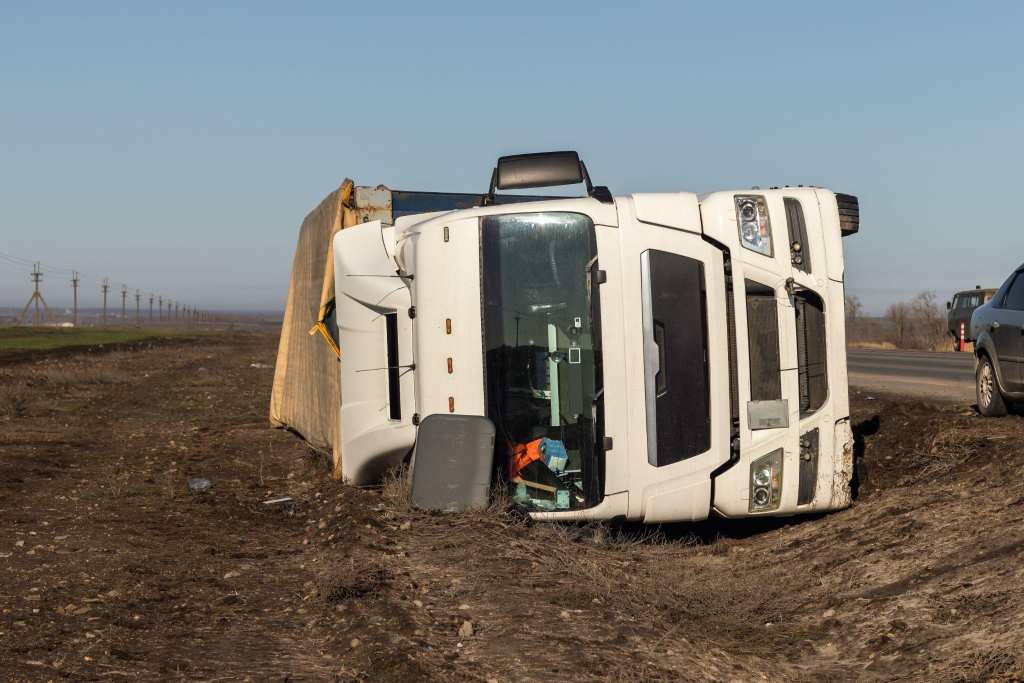
Accidents involving big trucks can change lives in seconds. One moment, you’re driving home, and the next, you’re facing a mess of wrecked metal, hospital visits and endless insurance calls. What most people don’t see right away is how complicated these crashes really are. A truck accident isn’t just a “bigger car crash.” It’s a legal puzzle with layers that take skill, patience and real experience to solve.
Why Truck Accidents Are Different
Large trucks, especially 18-wheelers, don’t play by the same rules as regular cars. The companies behind them have their own lawyers, insurance teams and detailed records that often stay hidden unless someone knows how to find them. These trucks are also governed by federal and state laws about weight limits, rest breaks and maintenance. Missing even one rule can turn a simple case into a long battle.
Many accident victims in Texas think the process is just about getting the other driver’s insurance to pay. It’s not that simple. Truck companies often rush to protect themselves right after a crash. They send investigators, clean up evidence and start building their defence within hours. If you wait too long, key details can disappear before you even know what’s happening.
What Makes These Cases So Complex
Here’s where most people get caught off guard:
-
Multiple parties may be responsible. The driver, the trucking company, the cargo loaders and even the vehicle manufacturer can share the blame.
-
Federal regulations matter. The Federal Motor Carrier Safety Administration (FMCSA) sets rules that few drivers or victims fully understand.
-
Evidence can vanish fast. Black box data, GPS records and driver logs are often deleted or replaced.
-
Insurance companies act fast. They may contact victims early, trying to settle before a lawyer gets involved.
Each of these factors can make or break your claim. And that’s why having someone who knows the system inside and out makes all the difference.
How a Lawyer Strengthens Your Case
A truck accident lawyer doesn’t just file papers. They step into the fight with the skill and awareness these cases demand. Here’s what that looks like in action:
-
Collecting evidence before it disappears.
-
Finding out if the truck driver was overworked or if the vehicle was poorly maintained.
-
Reviewing records from the trucking company to uncover rule violations.
-
Dealing directly with insurance adjusters so you don’t get pressured into a low offer.
-
Making sure your medical bills, lost income and emotional stress are fully covered.
In serious crashes, these steps aren’t optional. They’re the reason some victims walk away with fair settlements, while others get left with unpaid bills.
How You Can Protect Your Claim
Even before you contact a lawyer, there are things you can do to protect your case.
-
Get medical help right away. Even if you feel fine, injuries from heavy-impact crashes often show up later.
-
Avoid quick settlements. Trucking companies are known for early offers that sound fair but cover only a fraction of the real costs.
-
Keep your own records. Photos, hospital notes and witness names can all help later.
-
Stay off social media. Insurance teams sometimes use posts to question your injury or recovery.
Many victims are unaware of how complex liability laws can become in accidents like these, and understanding them early can help protect your claim.
Why Legal Experience in Texas Matters
Truck accident laws vary from state to state, and Texas has its own rules for personal injury claims. Statutes of limitation, comparative negligence and damage caps can all affect your outcome. That’s why working with a lawyer who understands Texas roads, judges and insurance tactics can make the process smoother and stronger.
Tyson Law Firm’s team has handled many truck accident cases in the Dallas–Fort Worth area. They understand how to navigate both the legal and emotional sides of these incidents with balance and care. More than anything, they help people rebuild — not just financially, but with a sense of closure that’s hard to find in long legal battles.
Moving Forward the Right Way
Truck accident cases are not something you can “figure out later.” They need quick action, clear direction and someone who knows exactly where to look for the truth. With the right help, you can focus on recovery while your legal team focuses on results.
If you’ve been involved in a truck or 18-wheeler accident in the Dallas area, speaking with a truck accident lawyer at Tyson Law Firm can help you understand your rights before making any decisions. The right guidance early on can protect your claim and give you the peace of mind you deserve.
Advertisement / Sponsored Content — This content is a paid advertorial published in consideration of payment or other commercial benefit. The views, claims, statements, offers and representations are those of the advertiser and do not necessarily reflect the views of the publisher, which does not endorse or verify them. This material is provided for general promotional information only and does not constitute legal, financial, medical, investment or other professional advice; readers should make their own enquiries and seek professional advice before acting. Claims, testimonials and performance statements have not been independently verified unless stated. Offers and availability are subject to change and additional terms. This advertorial may contain links to third-party websites and the publisher may receive commissions or other benefits from reader engagement; the publisher is not responsible for third-party content or fulfilment. To the maximum extent permitted by Australian law, the publisher disclaims liability for reliance on this content, and nothing limits rights that cannot be excluded under the Australian Consumer Law. Where applicable, this advertorial is authorised by the advertiser and does not constitute independent editorial content.