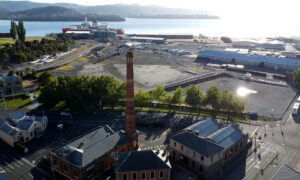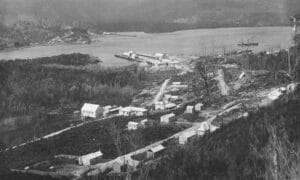
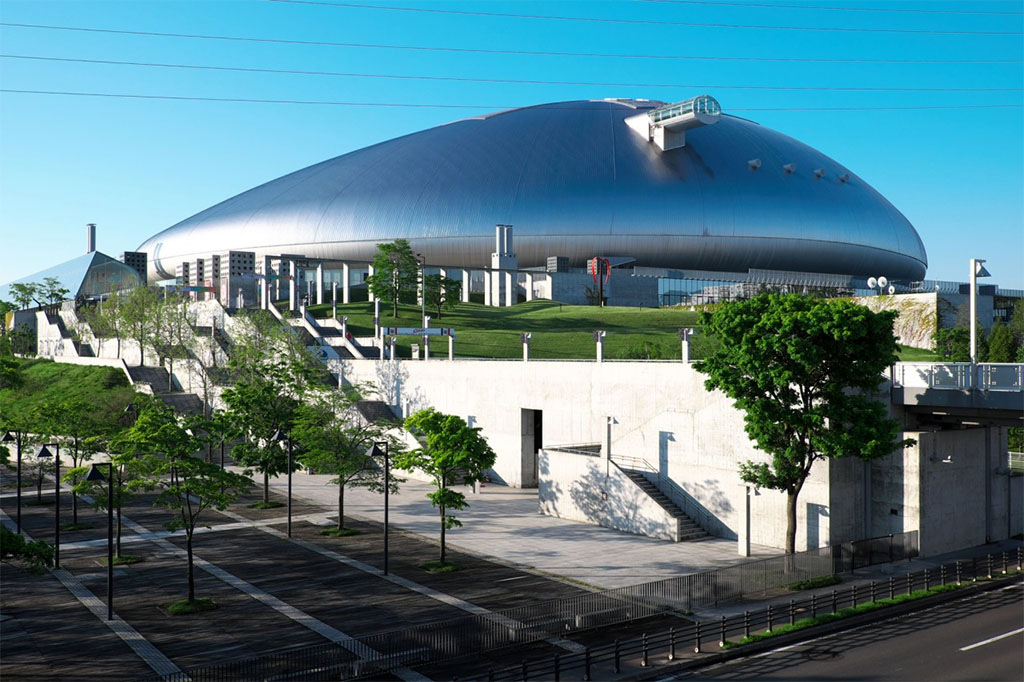
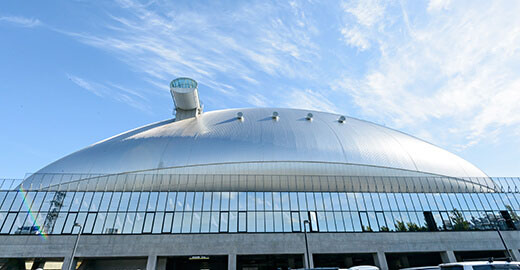
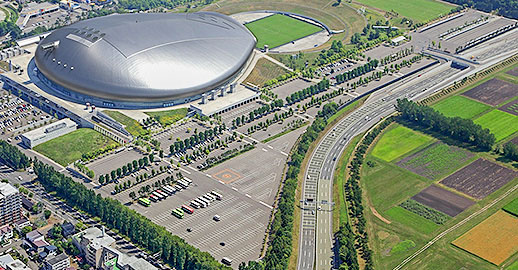
As a Tasmanian living near the Sapporo Dome in Hokkaido, Japan—Simon Jackson details how poor logistical planning, namely the barrier of water and the exorbitant cost of shipping, has turned a state-of-the-art facility with every advantage into a financial disaster.
Simon explains how Hobart, with its vastly inferior transport links (38 flights a day vs. Sapporo’s 230+) and the high cost of crossing Bass Strait, stands no chance of making a billion-dollar dome work if Sapporo cannot. He believes the heart of the problem is a stunning failure of common-sense economics and a risk of the old embarrassing “hillbilly mentality” returning.
“Tasmania deserves an AFL team — not a multi billion-dollar lesson in stupidity.”
I grew up Tasmanian, once embarrassed by the inbred hillbilly and sister shagging jokes, but over the past 20 years Tasmania has changed with world-class food, wine, heritage tourism, MONA, Historic City Architecture and stunning wilderness.
It’s now something to be proud of and somewhere I encourage people to visit.
That’s why this $1.5+ billion stadium plan is heartbreaking in its stunning stupidity.
It’s the old hillbilly mentality shining through again, spending money we don’t have to build something we don’t need.
We risk becoming a national joke again – “The state that went bankrupt building a footy stadium.”
I get it, Tasmania has a rich football heritage and punches well above its weight in every sport.
It has produced more elite AFL players per capita than any other state, over 300 AFL/VFL players and 14 Hall of Fame legends. A Tasmanian AFL team is something every Tasmanian can be proud of. It’s about community, identity and giving young athletes a pathway to greatness.
That can be achieved at Bellerive Oval.
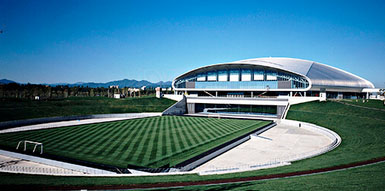
I live in Hokkaido, Japan`s Tasmania, pop. 5 million. Sapporo the capital city has 2 million. Sapporo built a huge dome just like the one proposed for Hobart.
It had everything going for it, healthy city coffers to pay for the dome, World Cup Soccer games, megastars to tour, a major baseball team, subway to the site, 230 flights a day, a nearby population of 115 million and under 6 hours flight away from 50% of the World`s population.
Yet the Sapporo Dome is now a financial disaster.
The big international acts? Almost none.
It’s usually domestic tours or K-pop groups. Superstars like the Rolling Stones and Eagles played there once, nearly 20 years ago and never came back. Why?
Because shipping 60 truckloads of stage gear across water to Hokkaido costs a fortune.
For Tasmania, it’s the same story across Bass Strait.
Even being the home of the Prefectures Professional Soccer team and with naming rights from a huge conglomerate it barely breaks even. It struggles to fill with popular local acts, sometimes rugby games and the rest of the time it manages to get around 100 – 120 small events a year – flea market style. It survives with a skeleton staff and part time workers when there is an event large enough to open the shops and bars.
Big tours like the Rolling Stones, Eagles, Taylor Swift just play extra nights in Tokyo or Osaka instead of paying millions to ship equipment by sea to Hokkaido.
Hobart has about 38 flight arrivals a day. Sapporo has over 230. Mainland Australia to Tasmania Ferries average 2 per day.Honshu to Hokkaido has 25 – 30 ferries a day.
Sapporo struggles to get more than 100 events (tiny, small, medium and large sized) per year. If they can’t fill their stadium, what chance does Tasmania have?
Even if every seat at Macquarie Point stadium sold, where would visitors stay? Where would they fly in from? Would Qantas put the 50 extra flights on to fill the seats?
If Sapporo can’t make its dome work, Hobart won’t either.
✅ Yes — a Tasmanian AFL team.
🚫 No — a billion-dollar vanity project.




Simon Jackson has lived in Hokkaido, Japan, since 1992, where he works as a businessman and agricultural developer and once served as Chairman of the Hokkaido International Business Association. He is a seventh-generation Tasmanian, descended from First Fleet and Norfolk Island settlers through the Garth and Bluett families, early seafarers and labour movement figures in the state’s history.
Although he’s been based overseas for many years, Simon remains deeply connected to Tasmania and cares passionately about its future its people, its values and the direction the island is taking.
Tasmanian Times (TT) is a community-based news and current affairs service covering the island state of Tasmania. It exists to provide a diverse presentation of Tasmanian issues. TT creates and supports independent media content utilising the best of modern technologies and tried-and-true practices of public-interest journalism.
Support us in expanding our coverage and developing new content by and for Tasmanians.
New initiatives on the way include … what our contributors and readers suggest! Please get in touch with your suggestions.