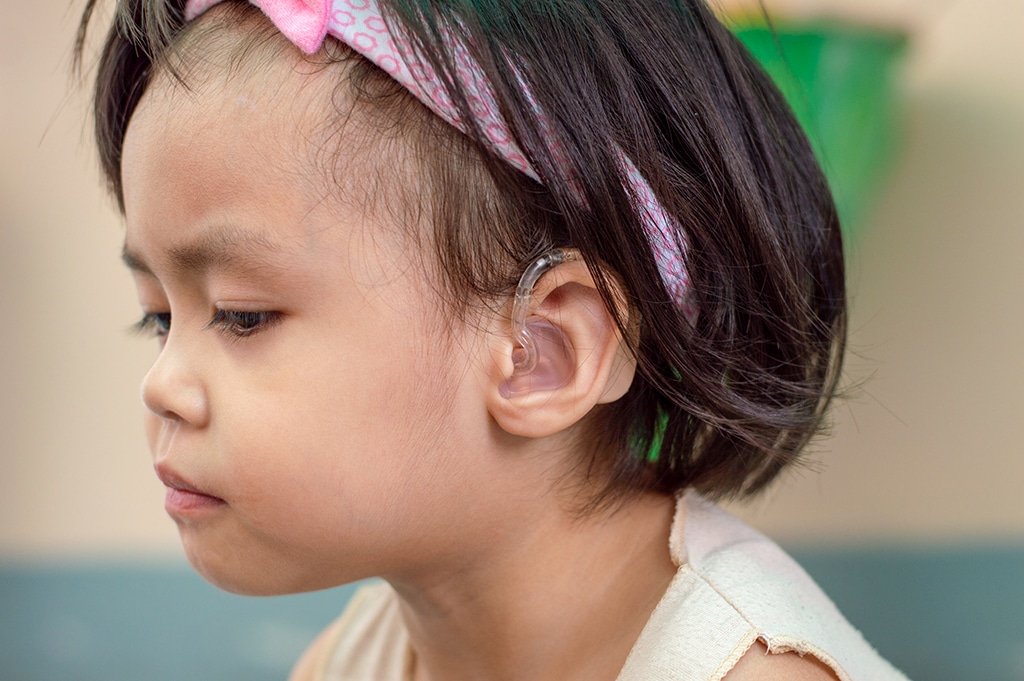
An innovative program developed in Tasmania is now helping children with hearing loss in Japan, marking the first time Australia’s unique early intervention model has been adopted in Japan’s public health system.
This initiative, led by local clinicians from The Shepherd Centre’s model combines early intervention with comprehensive, wraparound support for children and their families. This holistic approach, which currently assists around 70 children and families in Tasmania, is being piloted at Shizuoka Prefecture General Hospital.
The pilot aims to replicate the success seen in Australia by providing specialised care and a strong support network.
“When a child is diagnosed with hearing loss, they need more than technology, they need early, ongoing, specialised support,”
said Dr Aleisha Davis, CEO of The Shepherd Centre.
“This partnership is about sharing what we’ve learned in Australia, learning from Japan, and working together to give every child the opportunity to thrive.”
The impact of late diagnosis and implantation is significant. In Australia, most children with hearing loss are diagnosed between one and three months of age and receive cochlear implants before they are six months old.
In Japan, the average age of diagnosis is closer to two years, and many families lack access to the intensive therapy and wraparound support needed to turn hearing into meaningful speech and communication. This can lead to delays in communication, learning, and social confidence, affecting their long-term wellbeing.
“In Japan, it is considered normal to get a cochlear implant and go to a school for the deaf, not a mainstream school,” said Professor Akira Takagi, Director of the Hearing, Speech and Language Center at Shizuoka General Hospital.
“This pilot brings a completely new model of care to Japan. One that nurtures not only speech and language, but the full potential of each child.
“With early intervention and wraparound support they can acquire the same spoken language as their parents, go to mainstream schools, pursue the careers of their choice and become an independent member of society.”
For Renata, an Australian mother of three boys born deaf, The Shepherd Centre has been life-changing.
“This program doesn’t just help children hear, it gives them the opportunity to succeed in life,” she said.
“To any family in Japan wondering what’s possible, I can say from experience, this wraparound care and support changes everything and opens up a world of choice for your child.”
Lynsey Smith, Regional Manager for The Shepherd Centre in Tasmania, expressed her pride in the project.
“The Shepherd Centre is the first service of its kind in Tasmania, offering multi-disciplinary early intervention that simply didn’t exist before,” she said.
“We’re seeing first-hand how early intervention transforms outcomes from speech and language development to early literacy skills.”
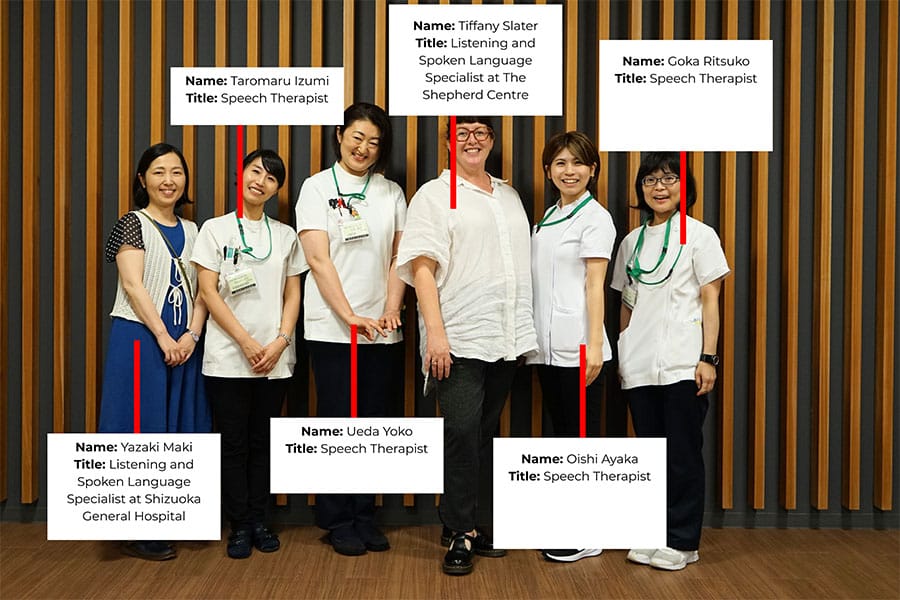
Smith highlighted the leadership role of Tasmanian clinicians. “It’s incredible that Tasmanian clinicians, like our own Tiffany Slater, are leading this project in Japan. Tiff is the project lead, helping to set up the program and train Japanese specialists. It’s a wonderful opportunity to share the expertise we’ve developed here in Tasmania with families in Shizuoka.”
This partnership is purported to be an example of how local experts and families can help others across the world, proving that a program born in Tasmania can have a profound impact on lives in Japan.
Tasmanian Times (TT) is a community-based news and current affairs service covering the island state of Tasmania. It exists to provide a diverse view of Tasmanian issues. TT creates and supports independent media content utilising the best of modern technologies and tried-and-true practices of public-interest journalism.
Support us in expanding our coverage and developing new content by and for Tasmanians.
New initiatives on the way include:
- a weekly podcast covering current affairs
- a revamped website
- a monthly cartoon competition
- a user-friendly app for both Android and Apple devices
- a weekly roundup of key stories