zzSPECIALPOSTzz
Designing with Purpose – Why Local Retail Spaces Matter

Advertisement / Sponsored Content
This content is paid advertising and has been prepared in collaboration with the advertiser.
This post remains active as a legacy issue and is being phased out from January 2026.
Tasmanian Times no longer accepts requests for paid content or advertorials.
Walk into any local store and you notice more than the shelves or the stock. You notice the atmosphere. A thoughtfully designed space doesn’t just sell goods, it gives people a reason to connect.
That connection is stronger when retailers themselves understand how design shapes daily experience. Businesses like Revolution Retail bring insight from both sides of the counter, blending shop-fitting knowledge with the realities of running a store. That mix creates spaces that feel authentic and useful for customers and staff alike.
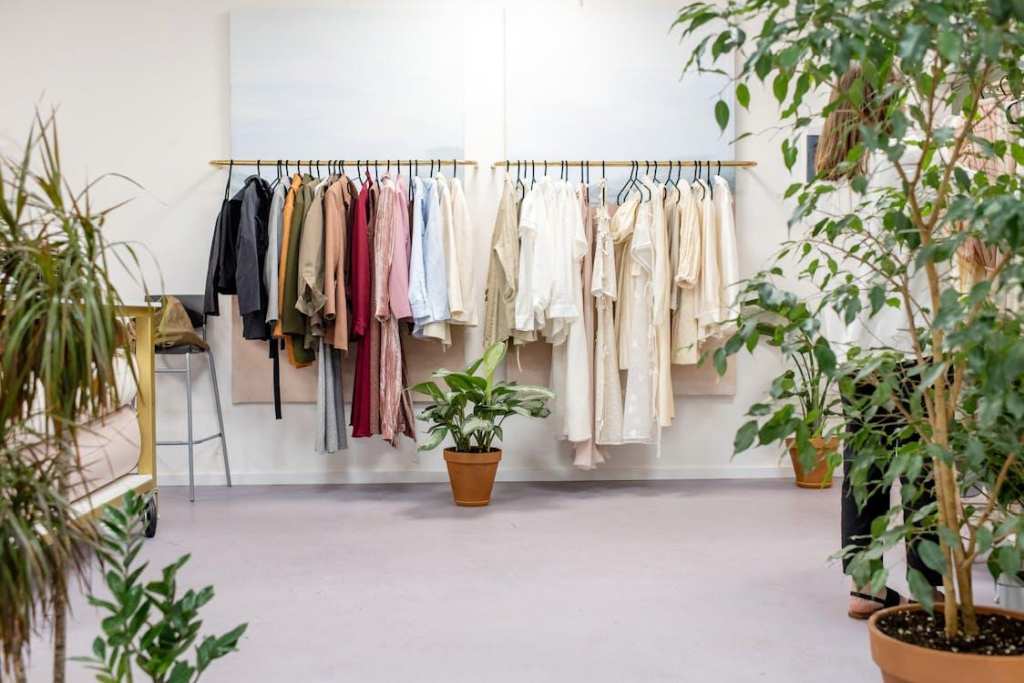

The Heart of Community
Local shops often act as anchors in towns and suburbs. They are places where people meet, chat and share stories. A welcoming design makes these interactions easier.
Think of a corner store with natural light and well-spaced shelves. Customers don’t only pick up groceries, they pause to talk with the owner or catch up with neighbours. The shop becomes a place of belonging as much as a place of business.
Community-centred design is not always about expensive materials or high-end architecture. Sometimes it is about thoughtful placement of chairs near a café counter, a noticeboard by the door, or even the use of warm colours that encourage people to linger. These details allow shops to feel like gathering points rather than transactional spaces.
Why Design Matters
Smaller shops may not have the budget of national chains, but they do have a closer connection with their customers. That local knowledge is powerful when paired with good design.
Design does not always mean major renovations. It can be as simple as adjusting shelving height, creating open walkways or placing items where browsing feels natural. When customers find a space easy and inviting, they are more likely to return.
This attention to detail builds loyalty. A shopper who feels comfortable in a space is more inclined to make repeat visits, recommend the store to friends and even spend more time browsing. In a retail climate where competition is intense, that kind of loyalty is invaluable.
Balancing Function and Atmosphere
A store must work for both customers and staff. Successful design finds the balance. Spaces need to be efficient for stocking and cleaning while also feeling inviting to the people who shop there.
When lighting, colours and layout align with practical needs, the result is a space that feels both warm and workable. This balance is what helps small shops stand apart in a crowded market.
For example, soft lighting can make customers feel welcome, but it must also allow staff to see clearly when managing stock. Wide aisles may feel generous to shoppers but also ensure easier cleaning and safer movement for staff with trolleys or ladders. Getting these elements right is what turns a functional shop into a pleasant one.
The Local Touch
Every town has its own character. A café might draw on heritage features, while a coastal general store might reflect the sea in its textures and tones. These details matter. They ground a shop in its place.
Retailers who know the craft of fitting out spaces and the realities of retail can achieve this balance. They know when to keep design subtle and when to use bold features. That localised knowledge makes spaces feel genuine.
Customers notice authenticity. A shop that reflects its surroundings feels trustworthy. It suggests the business is part of the community, not just operating in it. This sense of belonging is powerful and cannot be replicated by generic chain layouts.
Designing with Sustainability
Shoppers are more aware of sustainability. Stores that embrace this in their design show they care about the future as well as the present.
Energy-efficient lighting, re-used materials and long-lasting fittings all demonstrate responsibility. Even small changes, such as reusable displays, signal values customers recognise. In this way, design becomes more than visual appeal, it becomes a statement of intent.
Authorities and organisations such as the Australian Department of Climate Change, Energy, the Environment and Water provide guidance that retailers can follow when making sustainable choices. Customers appreciate when businesses align with these values, and the payoff is not only reputational but often financial, through reduced energy and material costs.
Spaces that Tell Stories
Every retail space tells its own story. It might highlight tradition, celebrate creativity or showcase innovation. The way stock is arranged and the flow of the space all play a role.
When shops draw on community and resilience, they become memorable. Customers come back not just for products but for the experience of being part of that story.
Storytelling through design might mean showcasing local artisans’ work, using reclaimed timber from regional sources, or displaying photographs of a neighbourhood’s history. These touches communicate that the shop is more than a place of trade—it is a part of local culture.
Why Local Shops Matter
With online shopping now the default for many, physical stores must offer something extra. Often, that extra is community connection. Shops that are designed with care give people a reason to step through the door rather than click online.
They are also vital for the local economy. They provide jobs, keep money circulating locally and bring character to streets. When these spaces are functional, welcoming and designed with purpose, their impact stretches beyond the shopfront.
Small shops become landmarks. People give directions using them, meet friends nearby, or remember fond moments of connection within them. Their influence extends into the daily rhythm of a town or suburb, shaping not just commerce but identity.
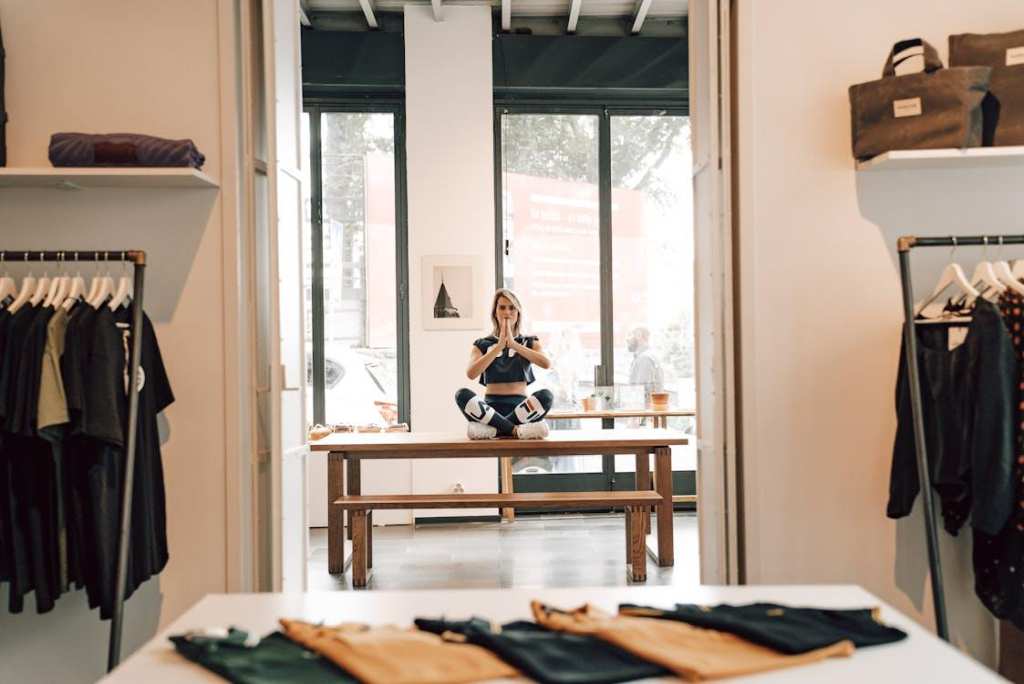

Conclusion
Retail design is not just about looks. It is about meaning. When shops are designed with community, sustainability and local identity in mind, they enrich daily life. Retailers who bring both experience and design knowledge create spaces that do more than sell. They shape how people feel about the places they call home, influencing habits, fostering loyalty, encouraging interaction and strengthening the bonds that turn ordinary shops into extraordinary and memorable community landmarks.
Advertisement / Sponsored Content — This content is a paid advertorial published in consideration of payment or other commercial benefit. The views, claims, statements, offers and representations are those of the advertiser and do not necessarily reflect the views of the publisher, which does not endorse or verify them. This material is provided for general promotional information only and does not constitute legal, financial, medical, investment or other professional advice; readers should make their own enquiries and seek professional advice before acting. Claims, testimonials and performance statements have not been independently verified unless stated. Offers and availability are subject to change and additional terms. This advertorial may contain links to third-party websites and the publisher may receive commissions or other benefits from reader engagement; the publisher is not responsible for third-party content or fulfilment. To the maximum extent permitted by Australian law, the publisher disclaims liability for reliance on this content, and nothing limits rights that cannot be excluded under the Australian Consumer Law. Where applicable, this advertorial is authorised by the advertiser and does not constitute independent editorial content.