
Advertisement / Sponsored Content
This content is paid advertising and has been prepared in collaboration with the advertiser.
This post remains active as a legacy issue and is being phased out from January 2026.
Tasmanian Times no longer accepts requests for paid content or advertorials.
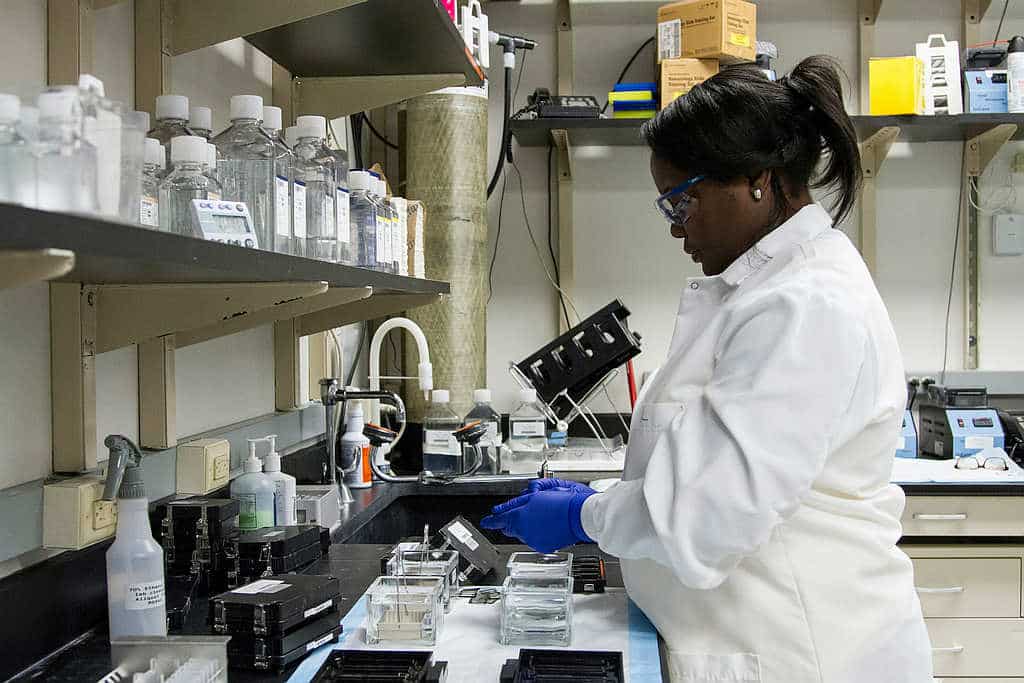
AICAR (5-Aminoimidazole-4-carboxamide ribonucleotide), also referred to as ZMP, is a peptide that has gained attention for its potential implications in scientific research. A synthetic analog of adenosine monophosphate (AMP), AICAR is believed to interact with metabolic and cellular pathways that are essential for maintaining homeostasis. Studies suggest that by activating the AMP-activated protein kinase (AMPK) pathway, AICAR may serve as a valuable tool in exploring cellular energy regulation, metabolic adaptation and molecular mechanisms underlying various physiological processes.
This article delves into the biochemical properties of AICAR, hypothesising its potential impacts on cellular processes and highlighting its versatility in laboratory settings. While much remains to be uncovered, AICAR’s possible role in signaling pathways suggests promising avenues for scientific investigation, spanning areas such as metabolic studies, stress response research and cellular aging.
Biochemical Properties of AICAR
AICAR is a monophosphorylated derivative of AICA riboside and is thought to function as an intermediary in the purine biosynthesis pathway. Upon entering cells, AICAR is converted into ZMP, an AMP mimetic that may interact with AMPK and other AMP-sensitive systems. AMPK, a central regulator of cellular energy balance, responds to fluctuations in energy status, suggesting AICAR’s potential role in investigating energy metabolism.
Research indicates that the peptide might influence metabolic flux by altering cellular ATP levels or by simulating a state of energetic stress. This property positions AICAR as a candidate for studying pathways implicated in energy-demanding scenarios, such as cellular growth, stress resistance and resource allocation.
Metabolic Research Implications
One of the most theorised impacts of AICAR involves its potential to modulate metabolic pathways through AMPK activation. Investigations purport that the peptide might contribute to research into glucose metabolism, lipid oxidation and mitochondrial function. By mimicking conditions of low energy availability, AICAR may provide insights into how research models optimise energy utilisation under stress.
It has been proposed that AICAR may be of interest to researchers modeling metabolic conditions where energy balance is disrupted, aiding investigations into conditions that involve dysregulated glucose or lipid metabolism. For example, by examining AICAR-induced AMPK activity, researchers might explore adaptive responses to nutrient scarcity or the molecular underpinnings of energy-intensive cellular functions such as autophagy and mitochondrial biogenesis.
Furthermore, findings imply that the peptide might serve as a platform for studying the role of AMPK in lipid homeostasis. It has been hypothesised that AICAR might regulate lipogenesis and fatty acid oxidation, offering a window into the molecular dynamics of lipid storage and mobilisation. This is thought to have potential implications for understanding metabolic adaptations in various states, including fasting, physical exertion and thermogenesis.
Cellular Stress and Environmental Research
Scientists speculate that AICAR may offer a unique perspective on cellular stress response mechanisms and adaptation to environmental changes. The peptide may help elucidate how cells maintain homeostasis when faced with challenges such as oxidative stress, nutrient deprivation or hypoxia by influencing AMPK and related pathways.
In laboratory studies, AICAR may theoretically simulate conditions of energetic stress, allowing researchers to observe how cells reallocate resources to prioritize survival. This might include shifts in protein synthesis, better-supported autophagic activity, or alterations in redox balance. By probing these responses, scientists might uncover critical insights into cellular resilience mechanisms and their implications for long-term cellular integrity.
Additionally, it is proposed that AICAR might be leveraged to explore the interplay between energy metabolism and environmental cues. For instance, the peptide may be utilised in investigations of how energy-sensing pathways regulate developmental transitions or adaptive behaviors in response to external stimuli.
Cellular Aging and Longevity Research
The intersection of AICAR and AMPK signaling offers an intriguing avenue for studying the biology of cellular aging. AMPK activation is hypothesised to promote longevity by supporting cellular processes associated with repair, maintenance and resource efficiency. AICAR, as a potential activator of this pathway, has been speculated to serve as a research tool to investigate the molecular drivers of cellular aging and their modulation by metabolic factors.
Studies postulate that the peptide’s potential impact on autophagy and mitochondrial function may provide valuable insights into mechanisms of cellular rejuvenation and senescence. For example, AICAR seems to help elucidate how shifts in energy metabolism influence the accumulation of damaged organelles or the recycling of cellular components, processes that are closely linked to cellular age-related decline.
In addition, AICAR appears to be of interest to researchers modelling the impacts of caloric restriction, a well-regarded intervention theorised to support lifespan. Research indicates that by mimicking the energy-deprived state associated with caloric restriction, the peptide might reveal the signalling pathways that mediate its impacts on cellular integrity and longevity.
Implications for Muscular Tissue Research
AICAR’s possible role in energy sensing has also sparked interest in its potential implications for muscular tissue physiology and adaptation to physical exertion. Research indicates that the peptide may provide a platform for exploring how research models adapt to energy-intensive activities, such as endurance exercise, by modulating glucose uptake, fatty acid utilisation and mitochondrial activity.
Investigations purport that AICAR might simulate the energetic demands of exercise by activating AMPK and downstream pathways involved in energy production. These implications might help scientists unravel the molecular mechanisms underlying exercise-induced adaptations, including better-supported mitochondrial density, better-supported metabolic flexibility and increased fatigue resistance.
Moreover, it has been hypothesized that AICAR may serve as a tool for studying muscular tissue recovery and remodeling. By probing the peptide’s impact on protein synthesis, glycogen replenishment, and angiogenesis, researchers might gain a deeper understanding of how muscular tissues respond to varying levels of energy availability.
Potential in Comparative and Evolutionary Biology
The versatility of AICAR seems to extend beyond traditional cellular and metabolic studies to comparative and evolutionary biology. Given its impact on energy regulation, the peptide is proposed to be relevant to researchers investigating how different species optimise metabolic strategies for survival in diverse environments.
By studying AICAR’s role in energy-dependent pathways, researchers may explore metabolic evolutionary adaptations, such as those observed in research models that hibernate, migrate or thrive in resource-scarce ecosystems. Findings imply that AICAR may also facilitate the identification of conserved molecular mechanisms that underpin metabolic efficiency and adaptation across taxa.
Conclusion
AICAR peptide represents a promising tool for exploring the intricate relationships between energy metabolism, cellular adaptation, and physiological processes. Its potential to interact with the AMPK pathway opens doors to a wide range of scientific implications, from metabolic research and cellular aging studies to investigations of stress response and evolutionary biology.
While the peptide’s full potential remains to be uncovered, its hypothesised impacts on energy sensing and cellular signaling underscore its value as a research catalyst. By enabling scientists to model complex physiological states and uncover novel insights, AICAR may continue to shape our understanding of biology and its molecular underpinnings. Researchers may find the highest-quality AICAR here.
References
[i] Hardie, D. G., Ross, F. A., & Hawley, S. A. (2012). AMPK: A nutrient and energy sensor that maintains energy homeostasis. Nature Reviews Molecular Cell Biology, 13(4), 251–262. https://doi.org/10.1038/nrm3311
[ii] Corton, J. M., Gillespie, J. G., Hawley, S. A., & Hardie, D. G. (1995). 5-aminoimidazole-4-carboxamide ribonucleoside. A specific method for activating AMP-activated protein kinase in intact cells? European Journal of Biochemistry, 229(2), 558–565. https://doi.org/10.1111/j.1432-1033.1995.tb20498.x
[iii] Merrill, G. F., Kurth, E. J., Hardie, D. G., & Winder, W. W. (1997). AICA riboside increases AMP-activated protein kinase, fatty acid oxidation, and glucose uptake in rat muscle. American Journal of Physiology-Endocrinology and Metabolism, 273(6), E1107–E1112. https://doi.org/10.1152/ajpendo.1997.273.6.E1107
[iv] Canto, C., & Auwerx, J. (2011). AMP-activated protein kinase and its downstream transcriptional pathways. Cellular and Molecular Life Sciences, 68(4), 617–629. https://doi.org/10.1007/s00018-010-0565-4
[v] Birk, J. B., & Wojtaszewski, J. F. P. (2006). Predominant alpha2/beta2/gamma3 AMPK activation during exercise in human skeletal muscle. Journal of Physiology, 577(3), 1021–1032. https://doi.org/10.1113/jphysiol.2006.118455
Advertisement / Sponsored Content — This content is a paid advertorial published in consideration of payment or other commercial benefit. The views, claims, statements, offers and representations are those of the advertiser and do not necessarily reflect the views of the publisher, which does not endorse or verify them. This material is provided for general promotional information only and does not constitute legal, financial, medical, investment or other professional advice; readers should make their own enquiries and seek professional advice before acting. Claims, testimonials and performance statements have not been independently verified unless stated. Offers and availability are subject to change and additional terms. This advertorial may contain links to third-party websites and the publisher may receive commissions or other benefits from reader engagement; the publisher is not responsible for third-party content or fulfilment. To the maximum extent permitted by Australian law, the publisher disclaims liability for reliance on this content, and nothing limits rights that cannot be excluded under the Australian Consumer Law. Where applicable, this advertorial is authorised by the advertiser and does not constitute independent editorial content.