Media release – Tasmanian Heritage Council, 25 July 2023
TASMANIAN HERITAGE COUNCIL’S WORKS COMMITTEE CELEBRATES MILESTONE 500TH MEETING
The Tasmanian Heritage Council’s Works Committee recently celebrated the milestone of its 500th meeting.
Established at the very first meeting of the Tasmanian Heritage Council in March 1997, the committee’s main purpose was to handle applications for works and development at places that were entered in the Tasmanian Heritage Register. It also involved the drafting of policy and strategy related to works and development.
Committee chair and architect Genevieve Lilley said that with more than 25 years’ experience, the committee has considerable corporate expertise and accumulated policy information that enables the Heritage Council to be highly effective in this function area.
“The heritage approvals process, including the excellent and unique pre-application advice provided by Heritage Tasmania staff, generally adds value to heritage developments and they are done better because of the expert input that this process enables,” Ms Lilley said.
“An example of the policy that the committee has helped formulate is the clearly illustrated Works Guidelines which covers practically all aspects of works and development. These were published in 2015.”
Since the committee’s founding, the Heritage Council has determined around 7000 discretionary permit applications. It has also determined more than 5000 exemption certificate applications, a simple approval mechanism that can be used for proposed changes that cause no detriment to a place’s historic cultural heritage significance.
In most years, 98 per cent of applications for works and development are approved.
“Key factors leading to this success are the efforts made to provide solution-focussed pre-application advice, and the publication of Works Guidelines which provide a high level of certainty as to the outcome of any application,” Ms Lilley said.
Although most works and development decisions are now handled by delegates in Heritage Tasmania, the committee retains an important function as a referral body for more difficult applications. It also audits the work of the delegates.
“Given that our state has 5000 places entered in the Tasmanian Heritage Register, everyone’s quality of life in this state is in some way affected by the quality of heritage developments,” Ms Lilley said.
“The Heritage Council, through this committee, pursue outcomes that protect the characteristics that we love and value in our heritage places, for the benefit of owners and everyone else who interacts with them both now and in the future.”
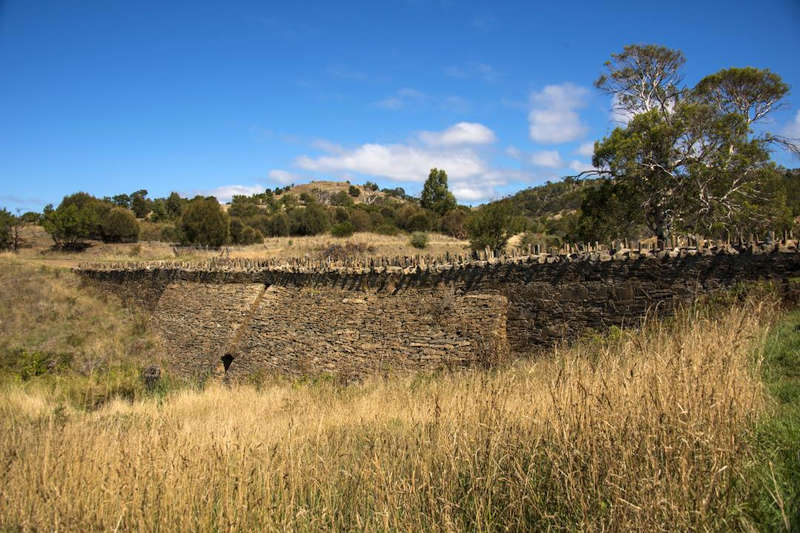
Featured image above: Convict-built Spiky Bridge neara Swansea (entry #1567 in Heritage Register). Courtesy Tourism Tasmania & Rob Burnett.