History
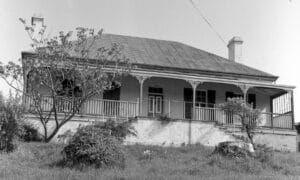
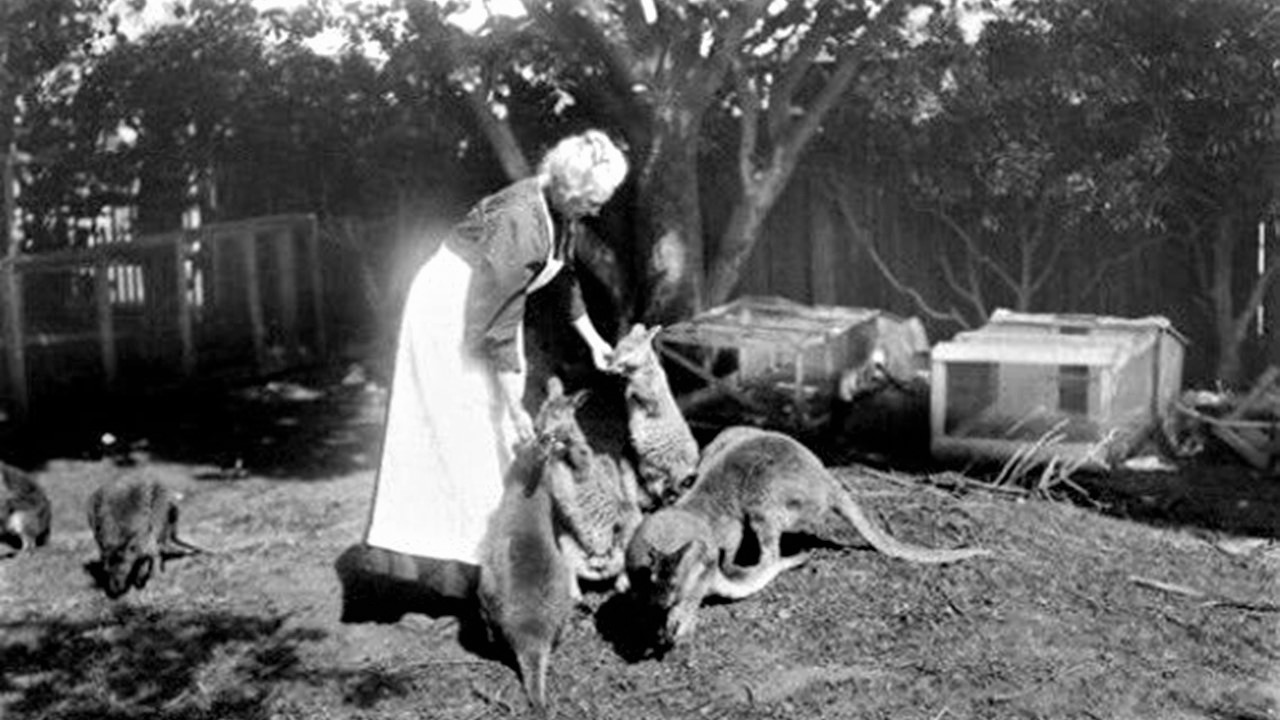
Beaumaris Zoo began in 1895 at the home of Mary Roberts, a socialite who had no scientific training but was skilled in animal care. She attracted scientific interest when she became the first person to breed Tasmanian devils in captivity.
When she passed away in 1921, her family offered the animals to the Hobart City Council. The council accepted them under the condition that the state government provide a subsidy towards a zoo. The government said yes, appropriating £250 per year.*
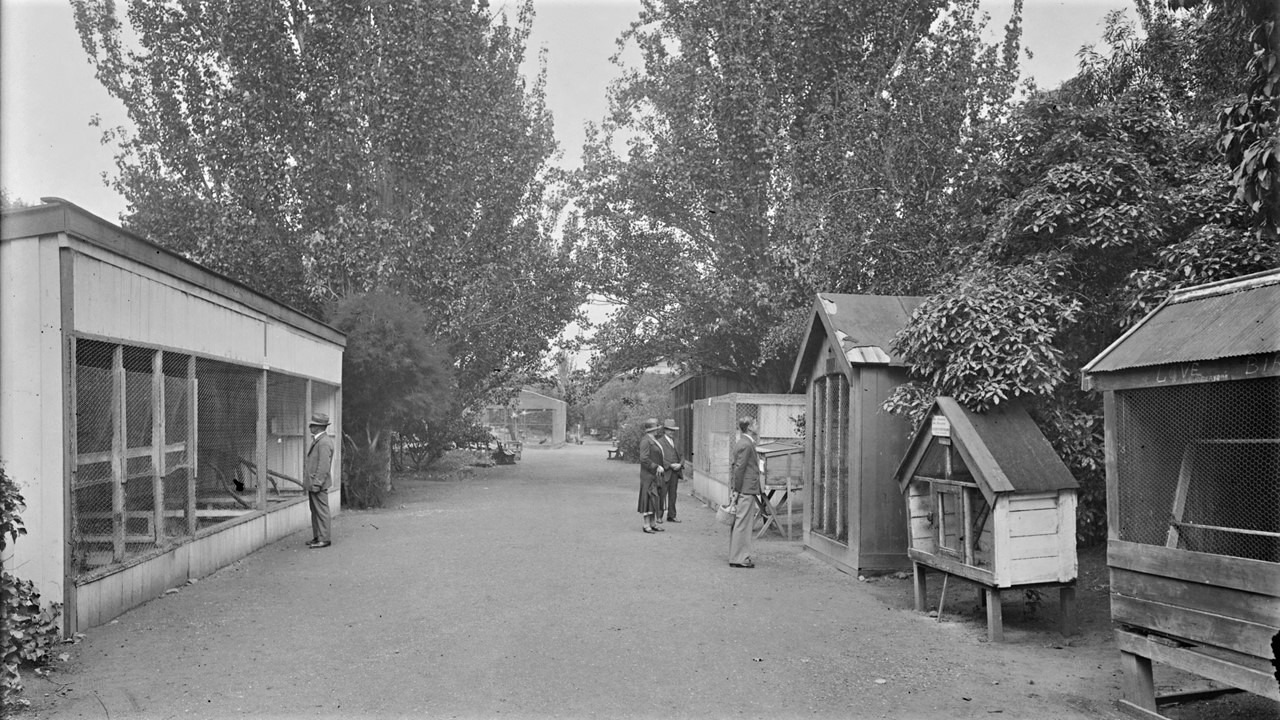
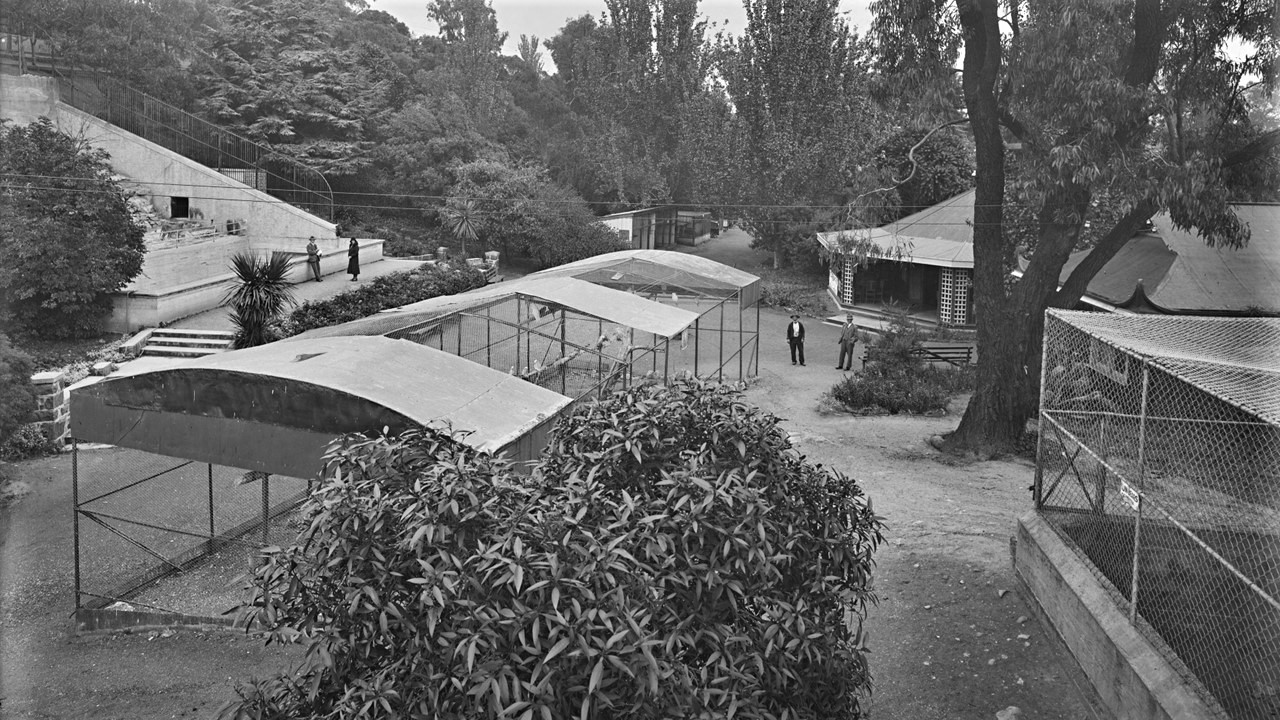
A naturalist named Arthur Reid was hired as the new caretaker. The zoo was then relocated to a newly constructed site on the Queens Domain in early 1923. Alderman WM Williams officially opened it on the afternoon of Friday, 2 February, on behalf of the mayor, JA McKenzie.
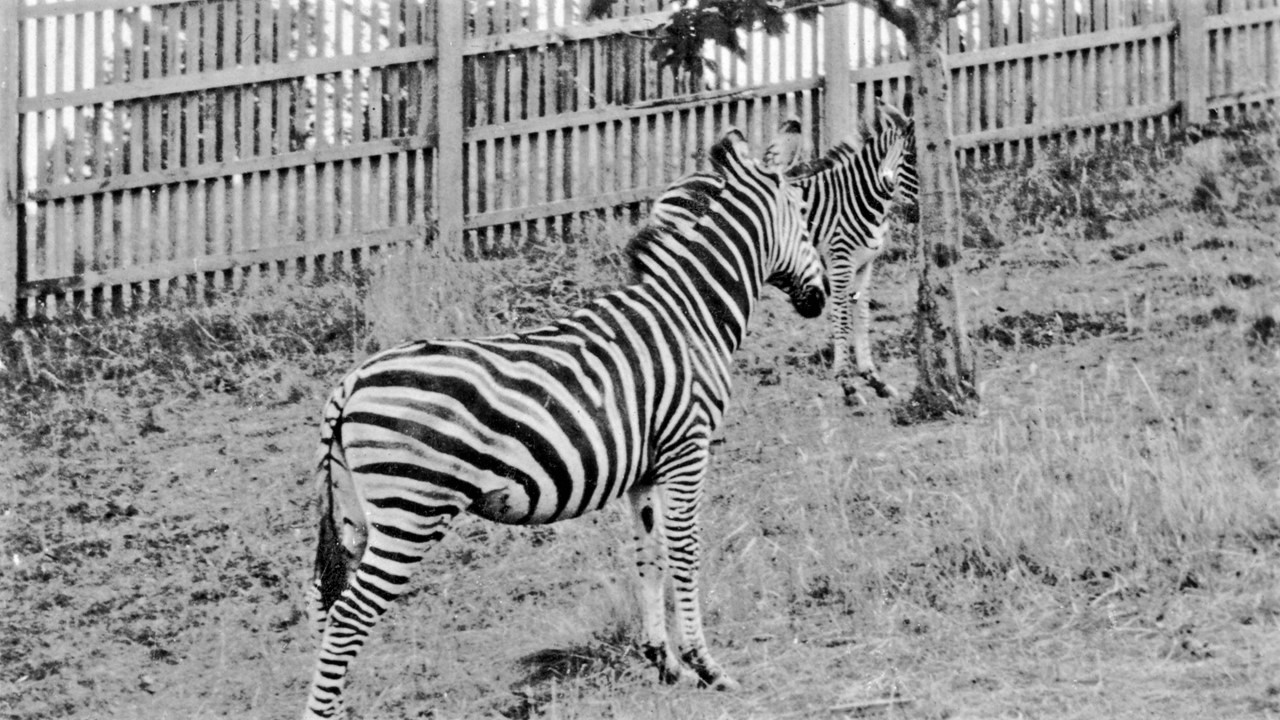
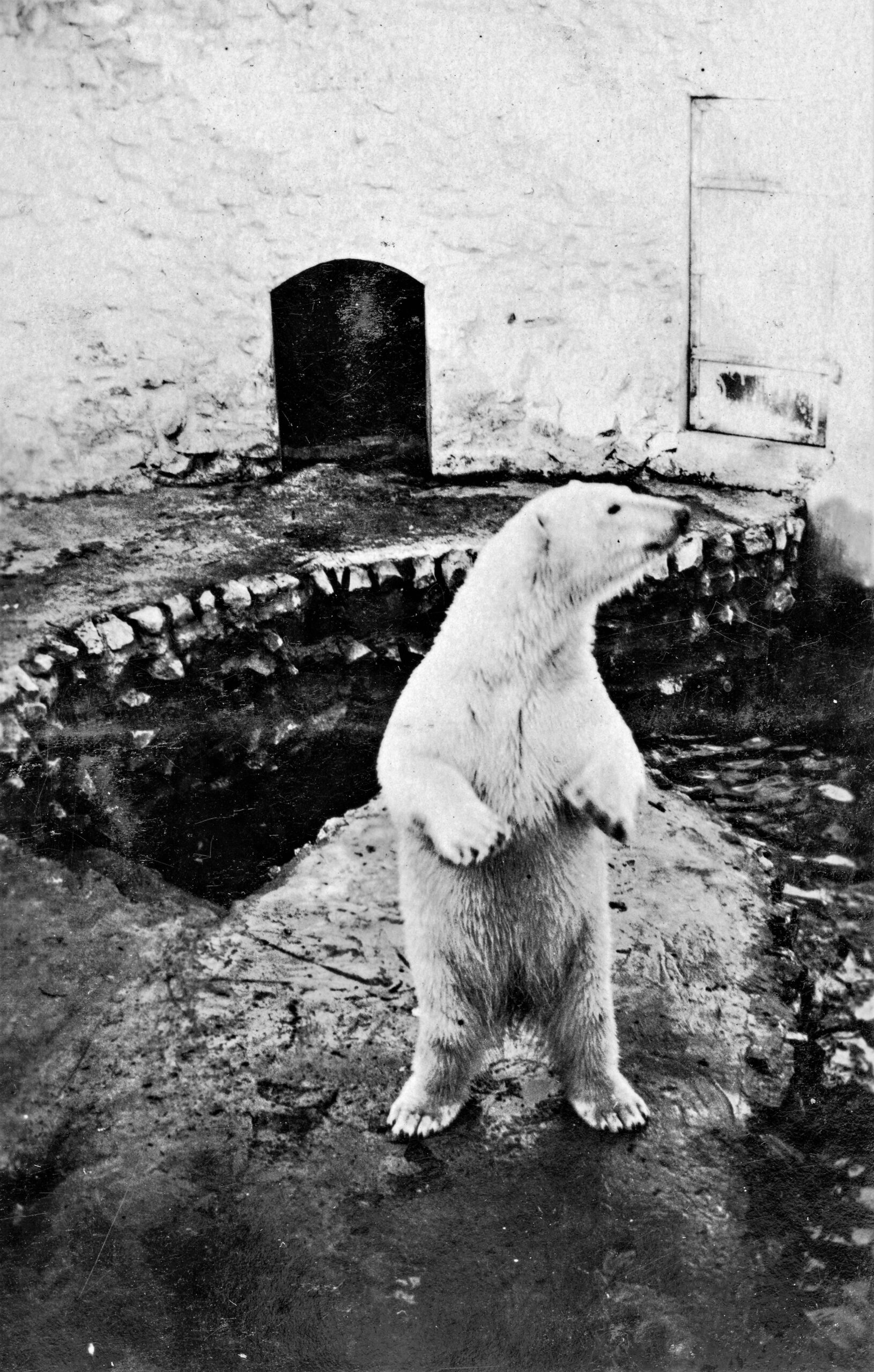
There were 320 animals at Beaumaris Zoo when it opened, including spider monkeys, elephants, rabbits, bears, tigers, lions, eagles, zebras, peacocks, owls, and ducks.
It soon became a popular destination among locals and tourists, but it didn’t remain so forever. After the Great Depression hit in 1929, people stopped visiting the zoo due to financial difficulties, forcing the operators to close its doors in 1936.
Very little remains of Beaumaris Zoo today. The entrance gate, some crumbling concrete structures, and a white pavilion are the only reminders of its past.
The last thylacine
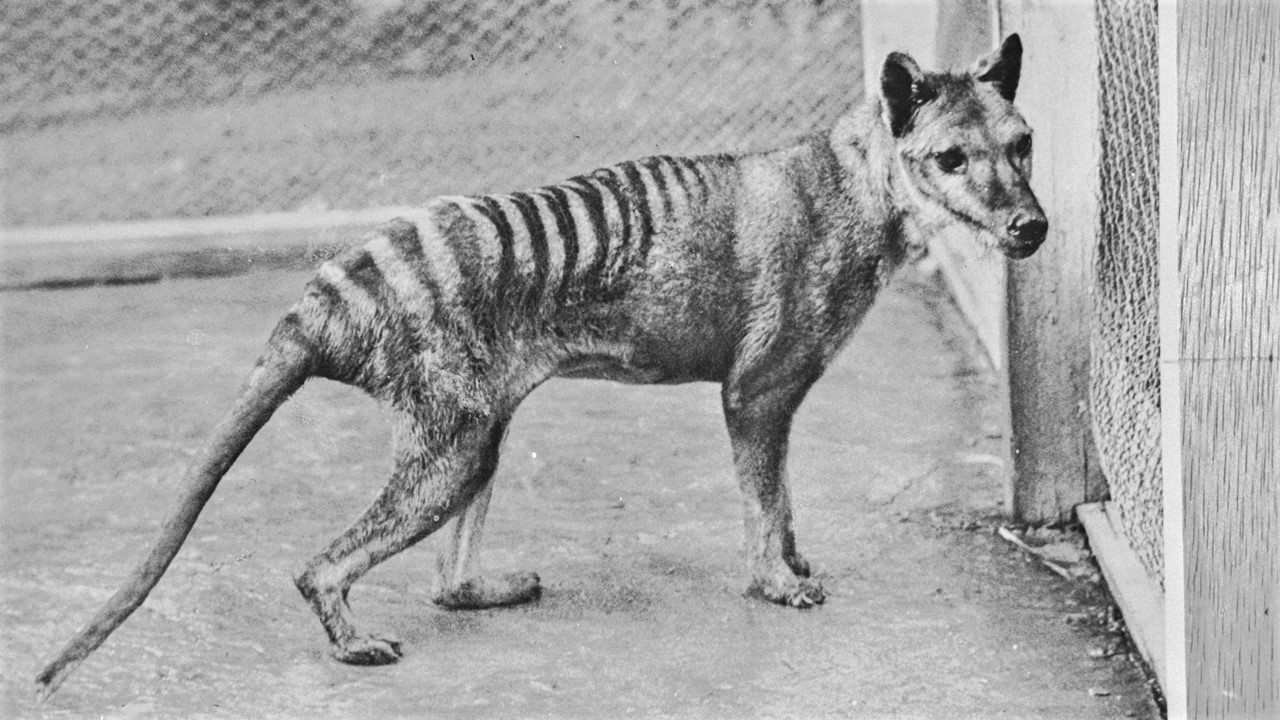
Beaumaris Zoo is well-known today for being the home of the last known thylacine during the 1930s.
It is believed there were around 5,000 thylacines in Tasmania when it was settled by the British in 1803. Although farmers hardly ever saw the marsupials, they thought they were attacking their sheep. The bounties that were subsequently placed on thylacines are popularly attributed to the species’ eventual extinction.
While they certainly played a part, other factors – including the destruction of habitats – also contributed. Eventually, it was agreed that thylacines should be preserved, but it was too late. The last thylacine died at Beaumaris Zoo on Monday, 7 September 1936, after spending a night out in the cold.
The species had been granted protected status only two months prior.
The thylacine’s remains were given to the Tasmanian Museum and Art Gallery (TMAG), which soon lost track of them. They were recently found in a cupboard at TMAG and were transferred to its zoological section at Rosny.
7 September is now commemorated as Threatened Species Day.
* Approximately $22,000 today.
Photo gallery
Bibliography
- ‘Curious Hobart: What happened to the Beaumaris zoo?’ (ABC)
- ‘Extinction of thylacine’ (The National Museum of Australia)
- ‘Roberts, Mary Grant (1841–1921)’ (Australian Dictionary of Biography)
- ‘Beaumaris Zoo’ (The Mercury, 28 March 192, page 4)
- ‘Beaumaris Zoo: Official Opening Ceremony’ (Examiner, Saturday 3 Feb 1923, page 12)
Tas That Was is a column that includes:
- anecdotes of life in Tasmania in the past;
- historical photographs of locations in Tasmania; and/or
- documentaries about locations in Tasmania.
If you have an anecdote or photograph you’d like to share with us, please send it to [email protected].