Media release – Tasman Peninsula marine Protection (TPMP, 20 July 2022
Community drives effort into restoring waterways around World Heritage site of Port Arthur
Public Meeting: July 23, 11.00am, Koonya Hall, Tasman Peninsula
“Give back Long Bay, Port Arthur.
A community-driven effort to restore the waters around the World Heritage site of Port Arthur to their pristine state will be launched on Saturday, July 23, at 11.00am at the historic Koonya Hall on the Tasman Peninsula.
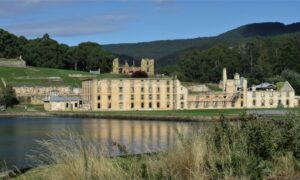
It follows growing concern about inundation of toxic algal blooms and diminishing water quality in Long Bay, immediately north of the Port Arthur World Heritage historic penal settlement.
Apart from its historic and cultural significance, the area is a major Tasmanian tourist destination, being the gateway to the award winning Three Capes walk in the Tasman National Park, and popular for marine ecotourism including whale watching, diving, kayaking, fishing and surfing.
The campaign’s first goal is to demand the removal of Tassal’s 16 open-net salmon pens, the major cause of algal blooms that have plagued the bay since 2017.
EPA director, Wes Ford has acknowledged to concerned locals that the waterway is not suitable for salmon pens with its low energy waters and little tide or current to flush away the effluent.
“Since Tassal arrived we have witnessed a great deterioration of this precious waterway,” says Trish Baily, spokesperson for Tasman Peninsula Marine Protection (TPMP). “We’re losing crucial sea grass and seaweeds and witnessing diminishing marine life and water quality.
“We have tried for years to get Tassal, the government and the EPA to recognise the damage that’s being done and to act before it’s too late.
“For all the good it’s done we might as well have saved our breath.
“Now we’re determined to ramp up the pressure and shame the company and the government into action.”
The report in May of the Legislative Council urged the government to “reduce inshore fin fish farming sites, with priority given to ceasing operations in sensitive, sheltered and biodiverse areas.”
“This accurately describes the situation in Long Bay,” says Ms Baily.
“Unless the government and the company have no shame at all, they will act now.”