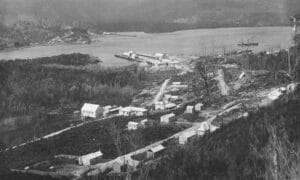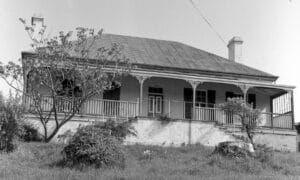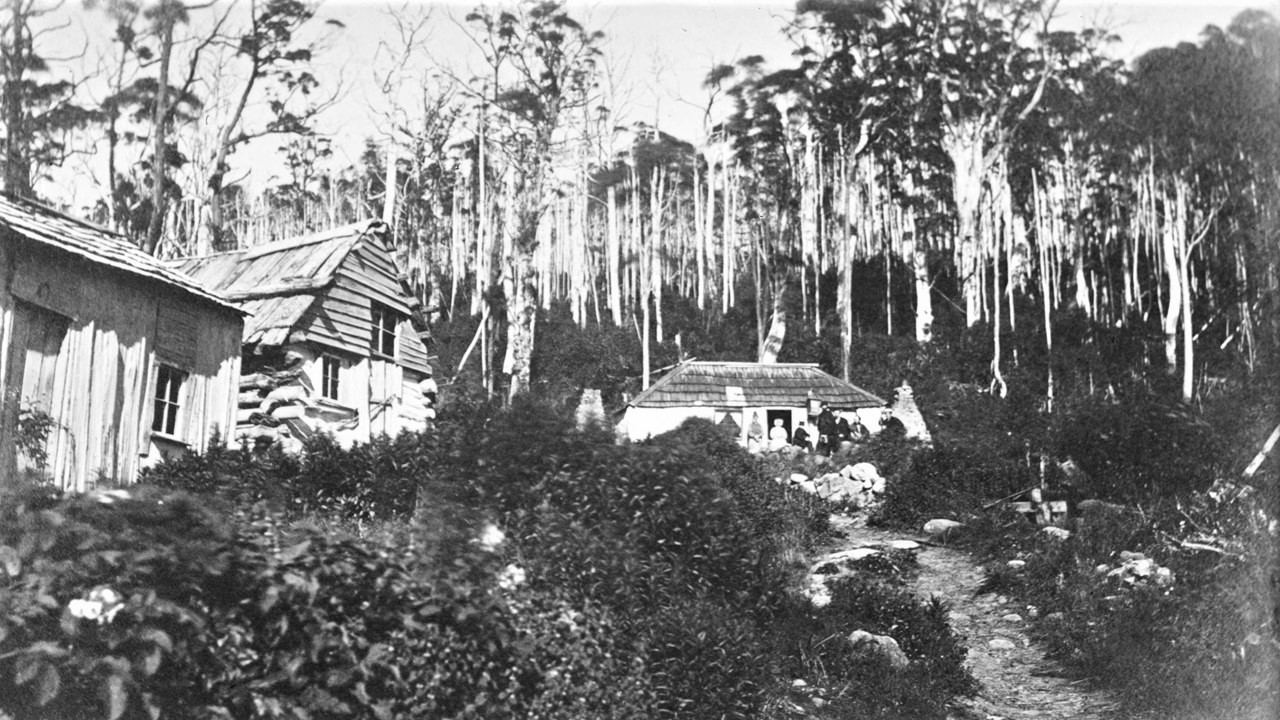
Located half-way up kunanyi / Mount Wellington, the Springs has a vivid history.
Description
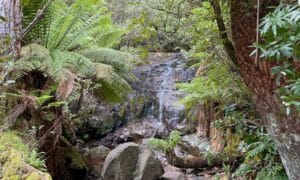
The Springs – a large, natural bench located halfway up kunanyi / Mount Wellington – is so named because it is the spot of a natural source of clear running water.
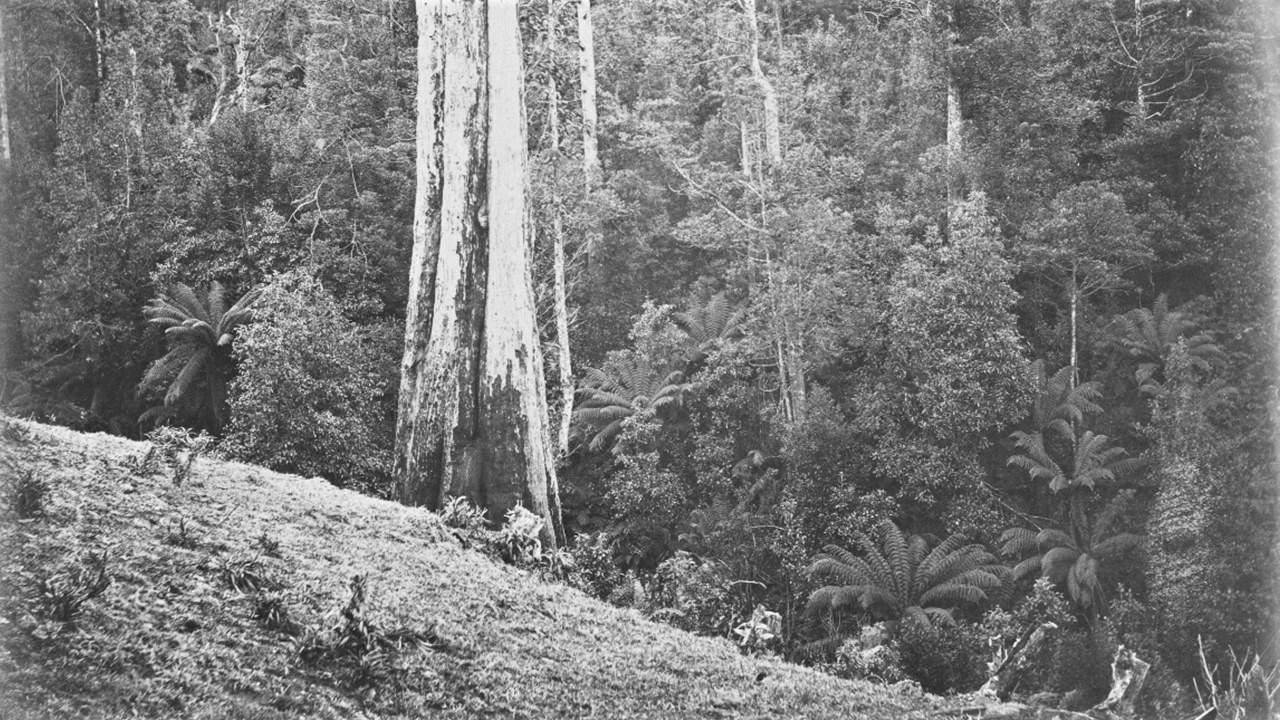
Roughly rectangular in shape and fairly flat, it consists of open grassed areas and tracts of eucalypt forest and heathland.
The Springs has a cool climate, and the area receives an average annual rainfall of around 1,400mm. Snow often falls in winter, although the mountain road is usually passable as far as the Springs.
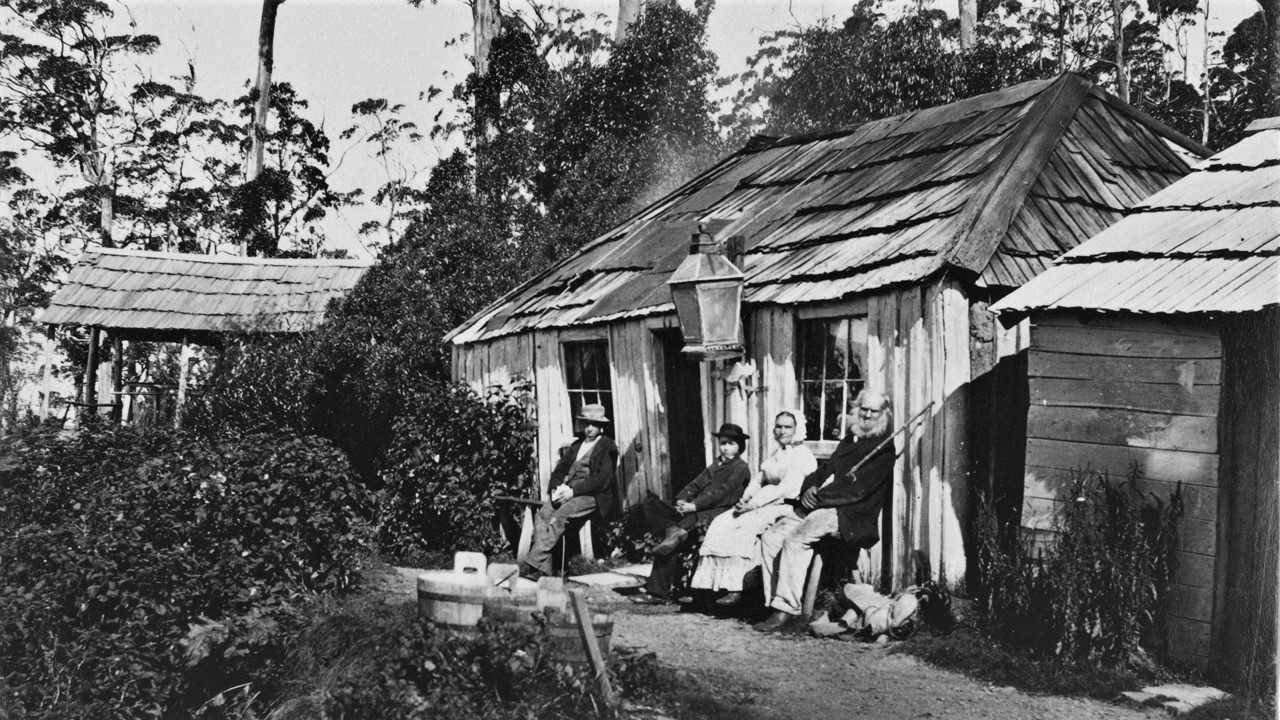
The area is refreshing – and sometimes beneficial – for people. For example, in 1862, a man named Richard Sutcliffe arrived at the Springs to convalesce from a disease. He later wrote:
“Being for years past suffering from disease of the chest and lungs, I was ordered by my Medical adviser in Melbourne, to visit your Island for change of air. I accordingly came over here, pitched my tent at the humble and rustic abode of Mr. Wood, at the Springs, where I have been for the last fortnight, and so recovered am I in health (even during this short time) that I return from your delightful Island a new man, perfectly restored in health and strength, which with God’s blessing, I am in a great degree indebted to Mr. Wood for his many acts of kindness and attention, as well as to the salubrious air of your beautiful mountain.”
History
Since the establishment of Hobart in 1804, the Springs have provided fresh, clean water to the local population.
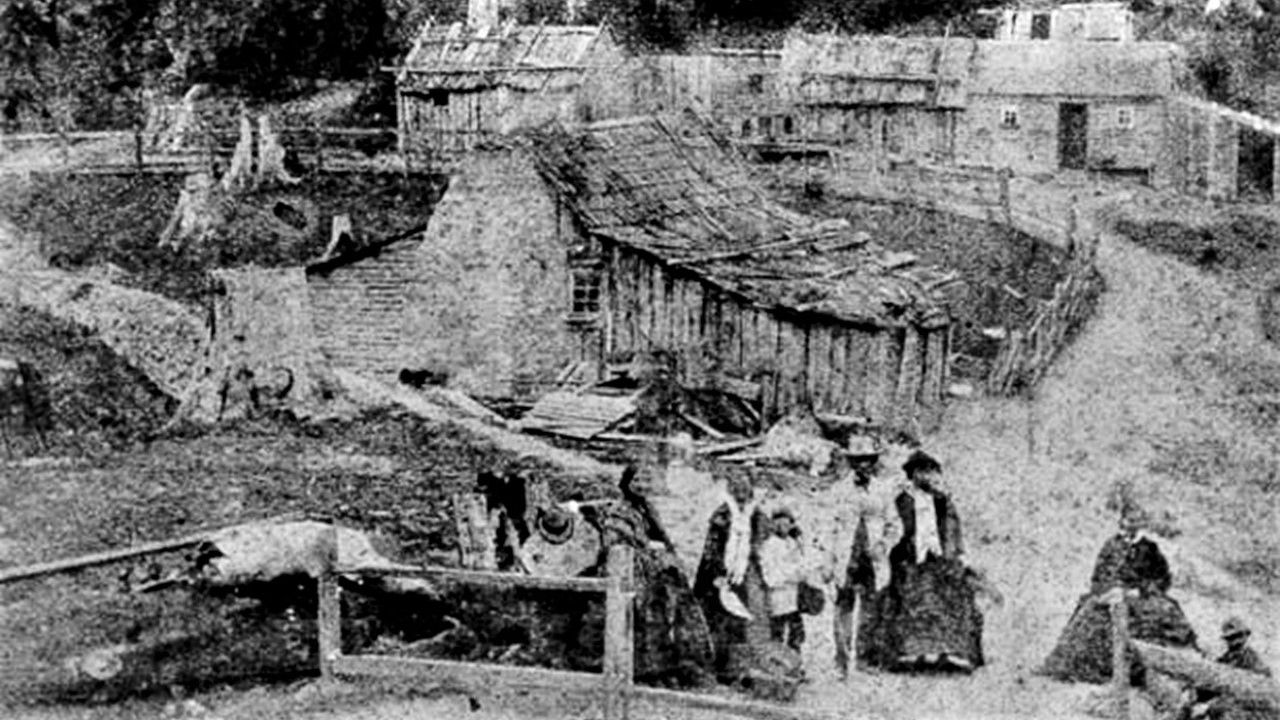
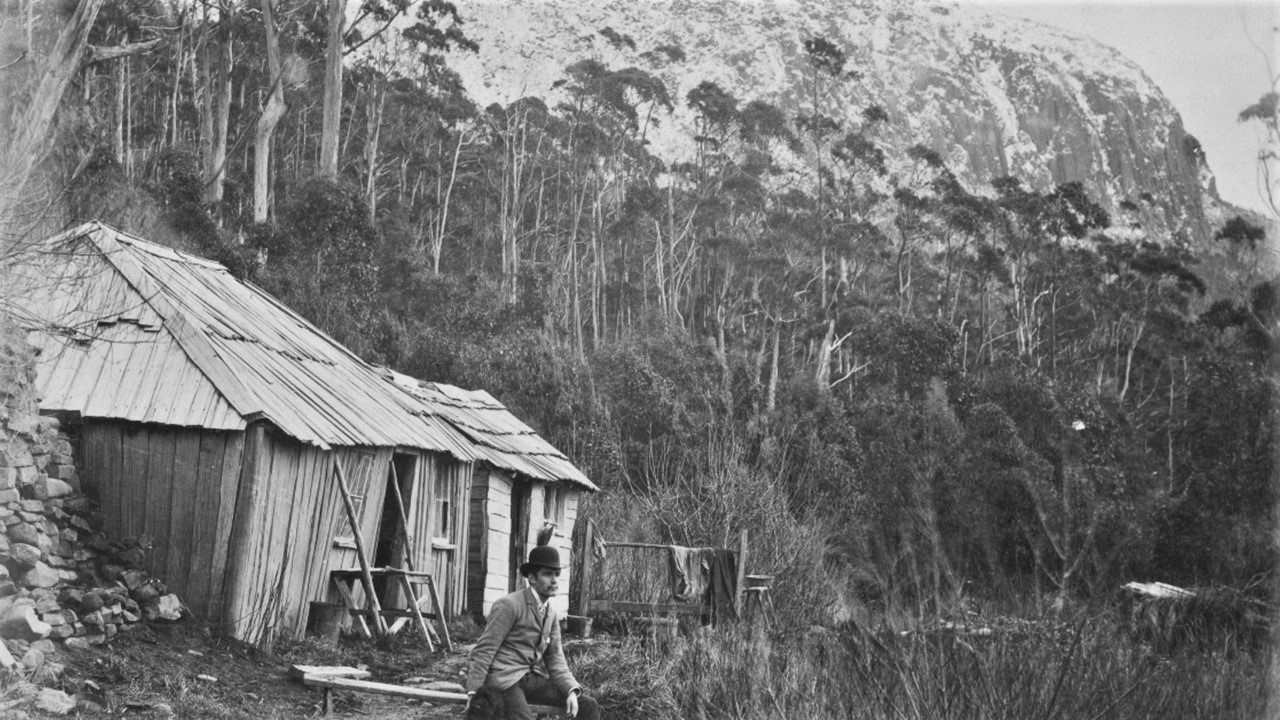
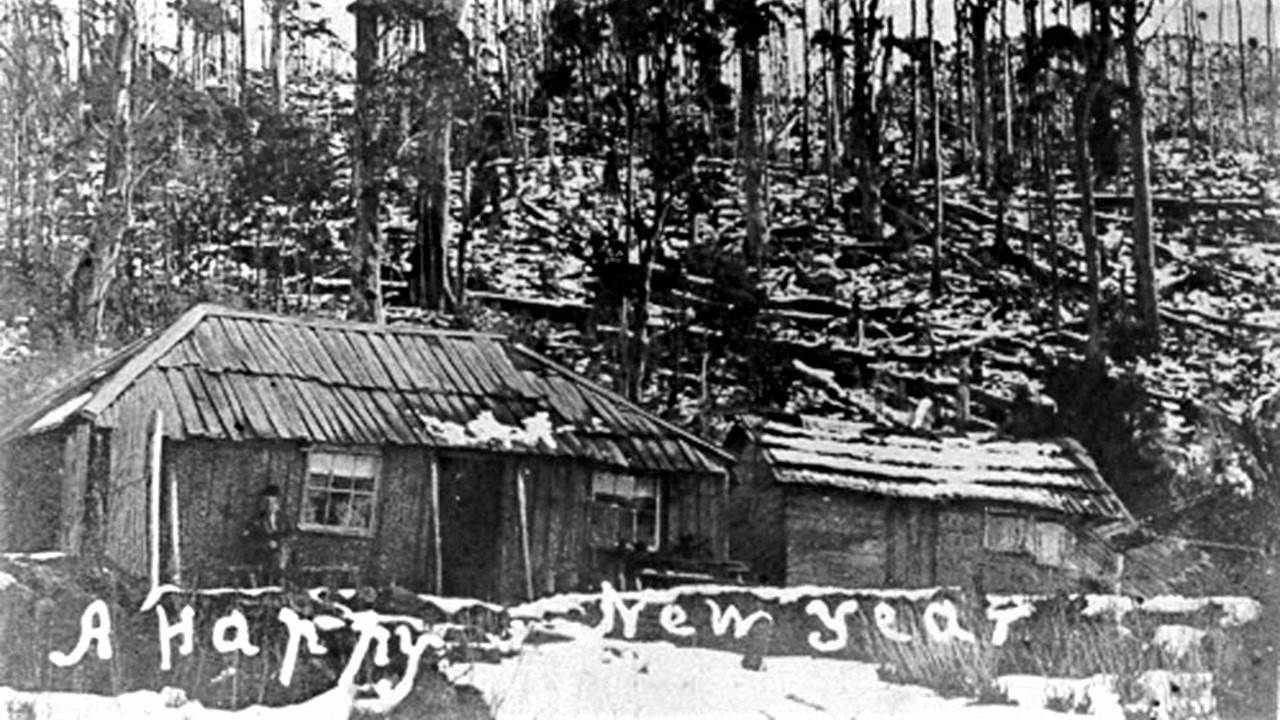
Recreational activities began at the Springs in the 1830s and steadily grew over the years, prompting the construction of timber huts.
In 1859, the aforementioned ‘Mr. Wood’ started providing visitors with refreshments and accommodation with the help of his family. The Gadd family took over providing refreshments (but not accommodation) in the early 1890s.
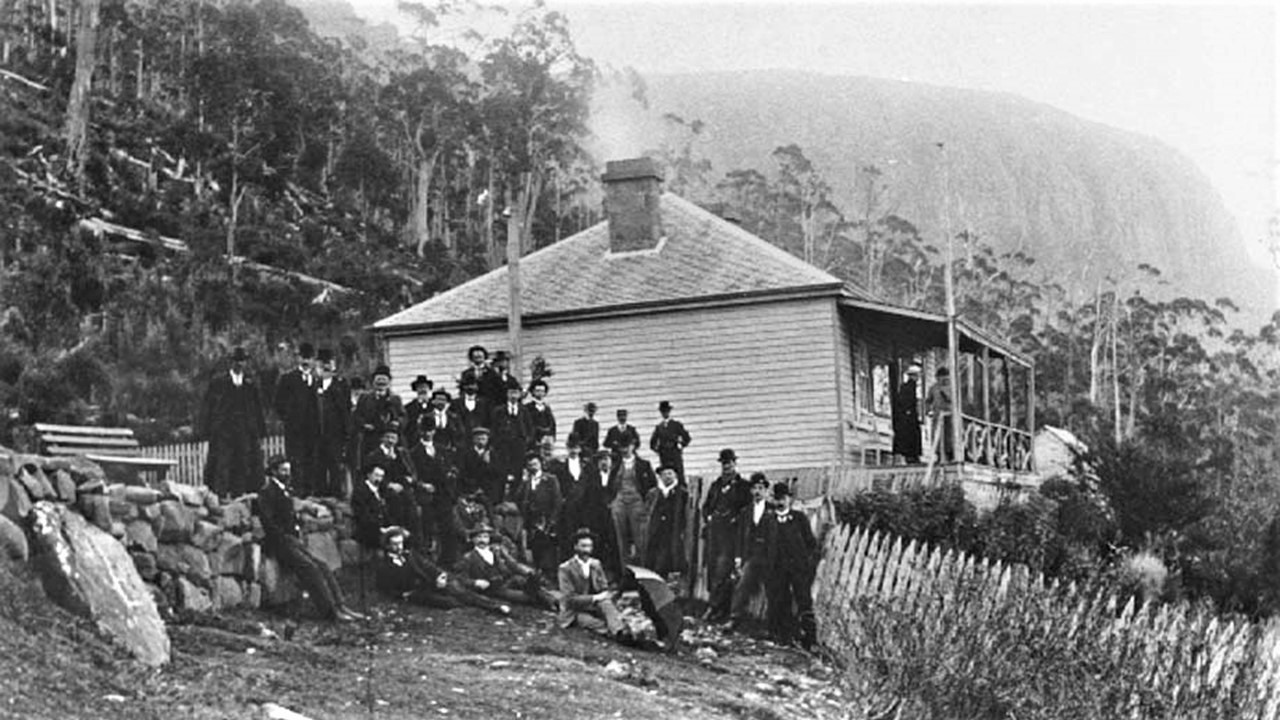
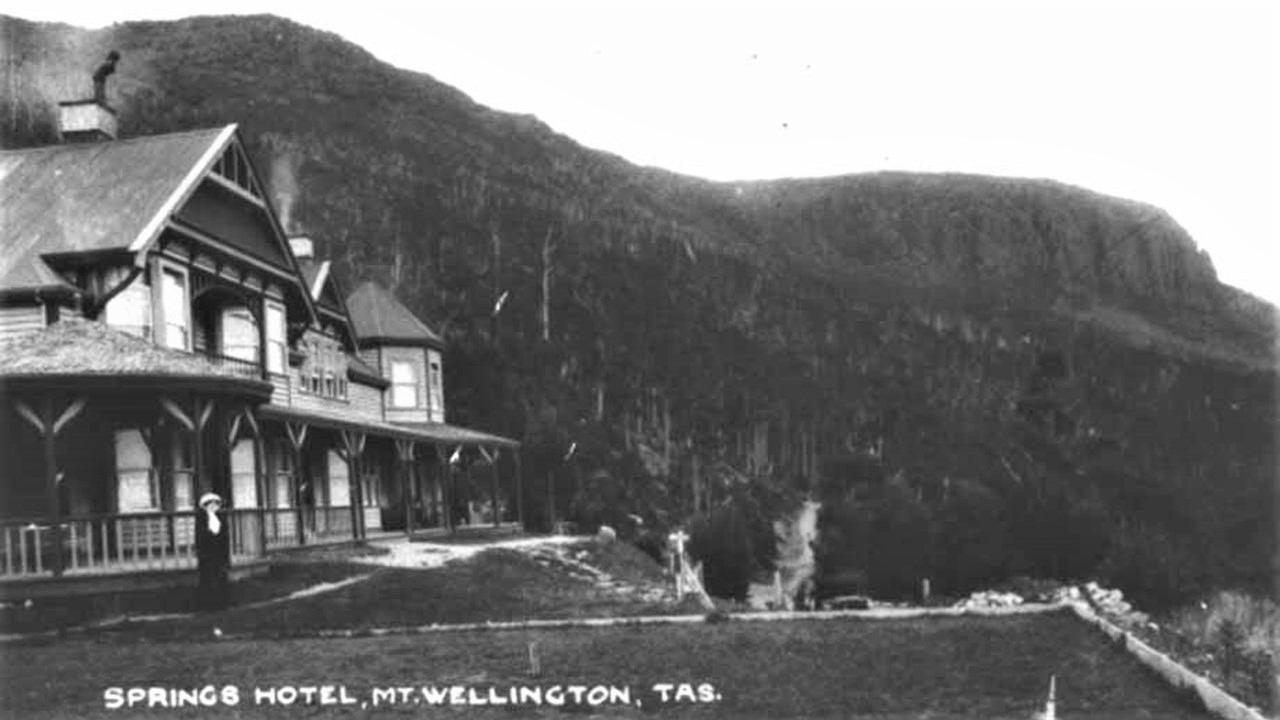
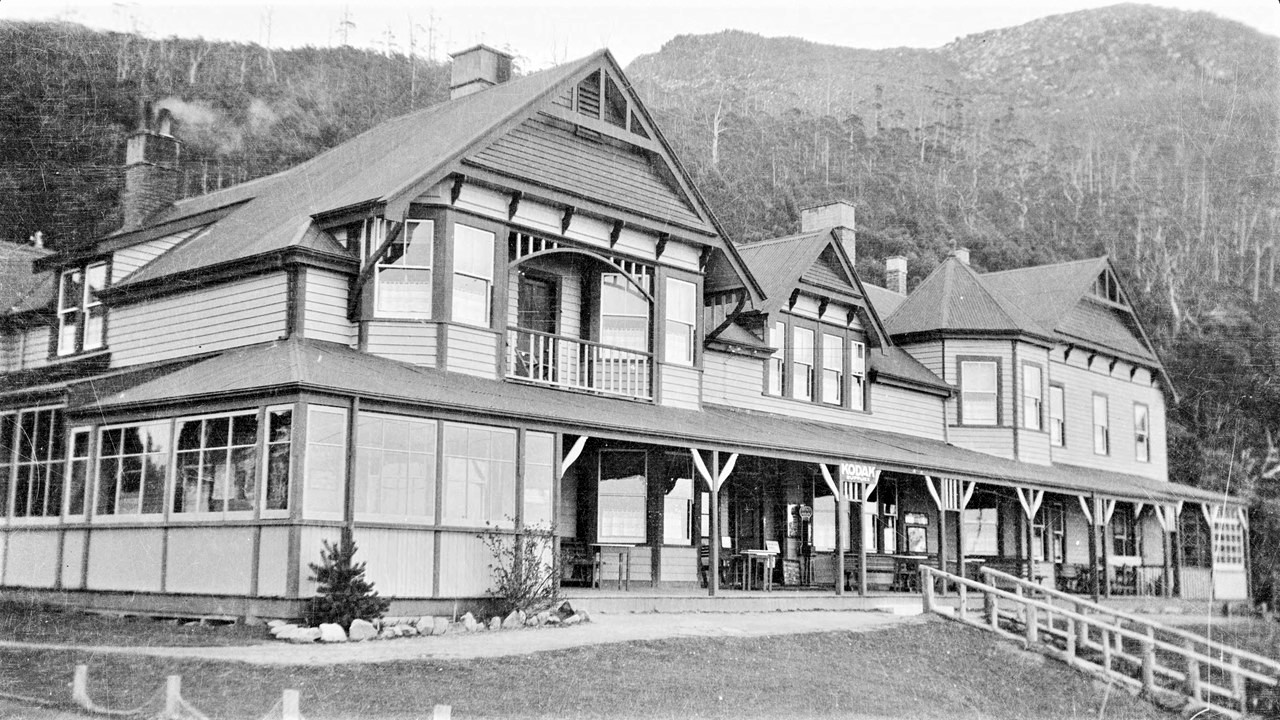
In 1907, the Springs Hotel was built at a cost of £3,300 (approximately $277,174 today). Guests could enjoy a hot meal at the restaurant, but could not drink alcohol because the hotel was never granted a liquor licence. Despite its location and facilities, the Springs Hotel was never a financial success. It burned to the ground in the 1967 bushfires and was never rebuilt.
During the 1920s, unemployment relief programs saw workers cutting firewood and upgrading walking tracks in and around the Springs.
In 1931, a stone shelter was constructed at the Springs. A garden showcasing native Tasmanian flora was also established in the same year.
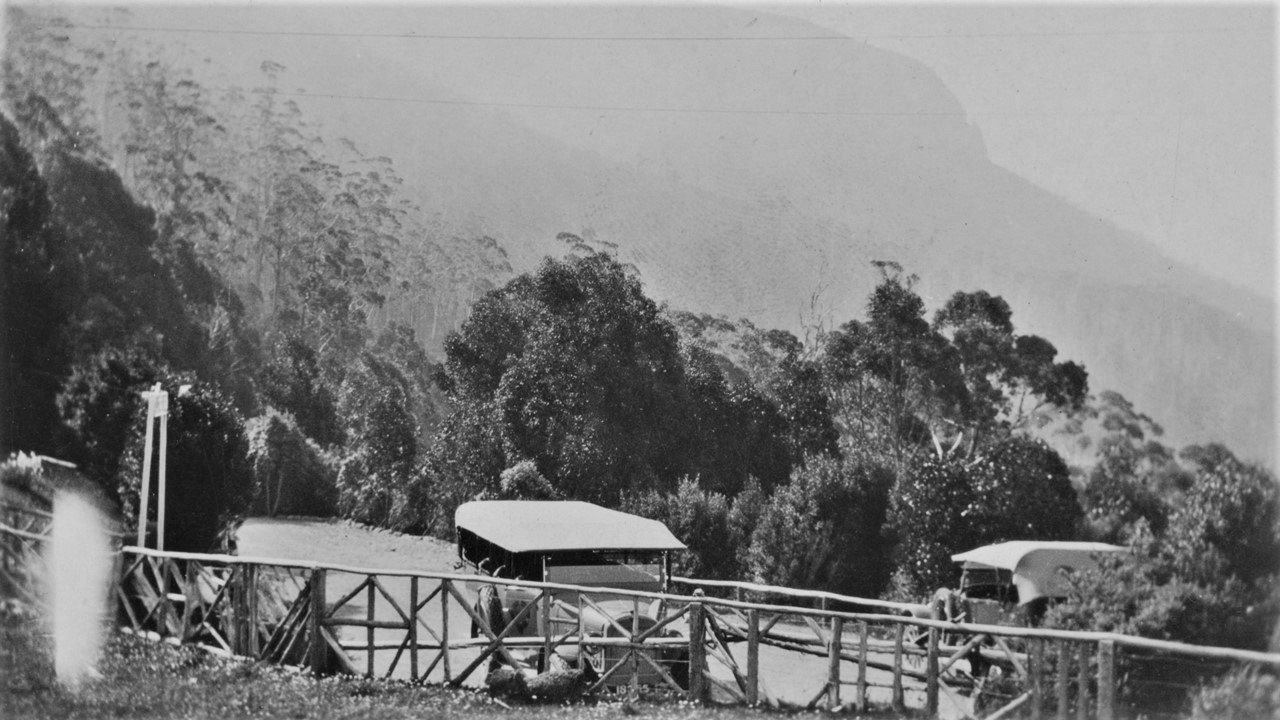
Between 1934 and 1936, a group of workers lived at the Springs while they built Pinnacle Road, which now allows people to easily travel to the summit of kunanyi / Mount Wellington.
Today
The Springs remains a popular recreational area today. It is the focal point of the many recreational trails, for walking and mountain biking, that are present in Wellington Park.
There are several picnic tables, a shelter, and public toilets. A semi-permanent café called Lost Freight provides visitors with hot food and drinks.
In 2015, architect Robert Morris-Nunn submitted an expression of interest for a hotel development at the site, after an earlier project lapsed due to lack of funding. Prospects for the Springs remain under the shadow of the cable car proposal, currently under appeal after the planning application was refused by Hobart City Council.
Bibliography
- ‘Springs, Mount Wellington’, Hobart Town Advertiser, 24 May 1862, page 1
- The Springs (Wellington Park Trust)
- Wellington Park Heritage Audit, Volume 2 (Wellington Park Trust)
- The Springs: Initial Conservation Policy (Wellington Park Management Trust)
- The Springs Visitor Hub (Hobart City Council)
- Mount Wellington (The Companion to Tasmanian History)
- What if Hobart wasn’t Hobart? (YouTube)
- ‘Mount Wellington’, Launceston Examiner, 8 Nov 1898, page 6
- The Pinnacle Road, Mt Wellington (Tasmanian Year Book, 2000)
- Tasmanian dual naming policy announced atop Kunanyi (ABC Local, 2013)
Photo Gallery
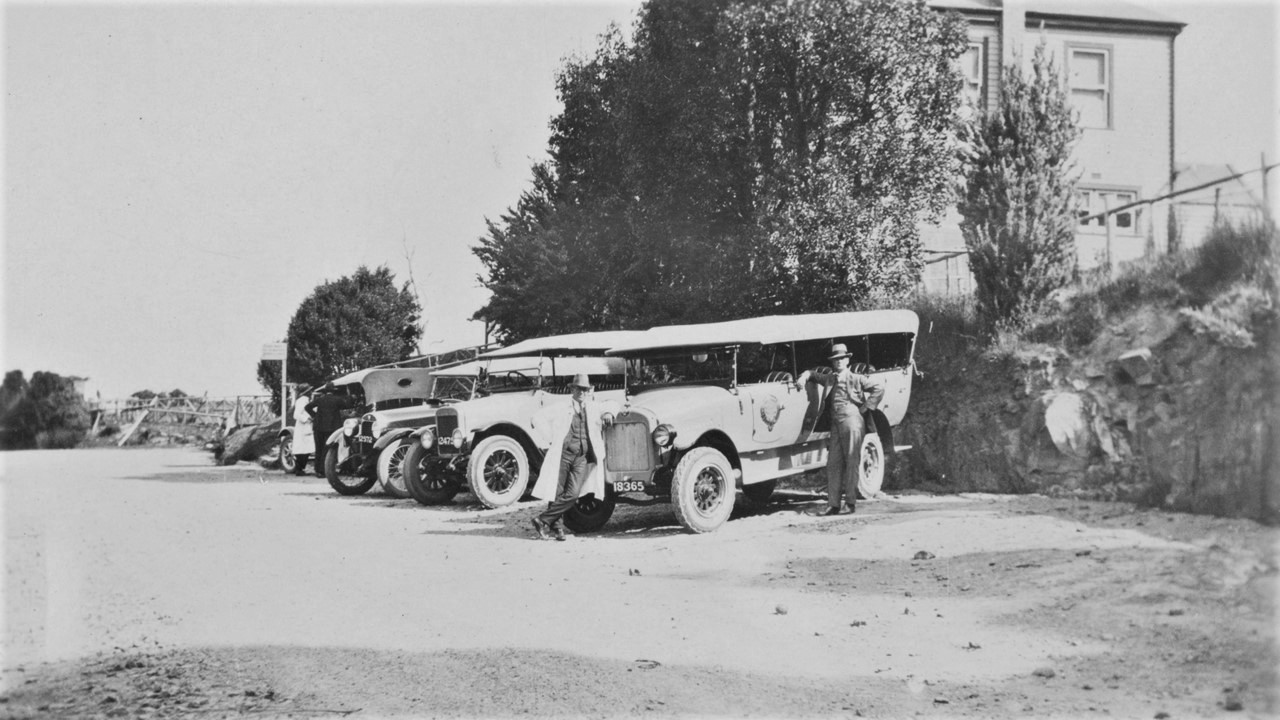
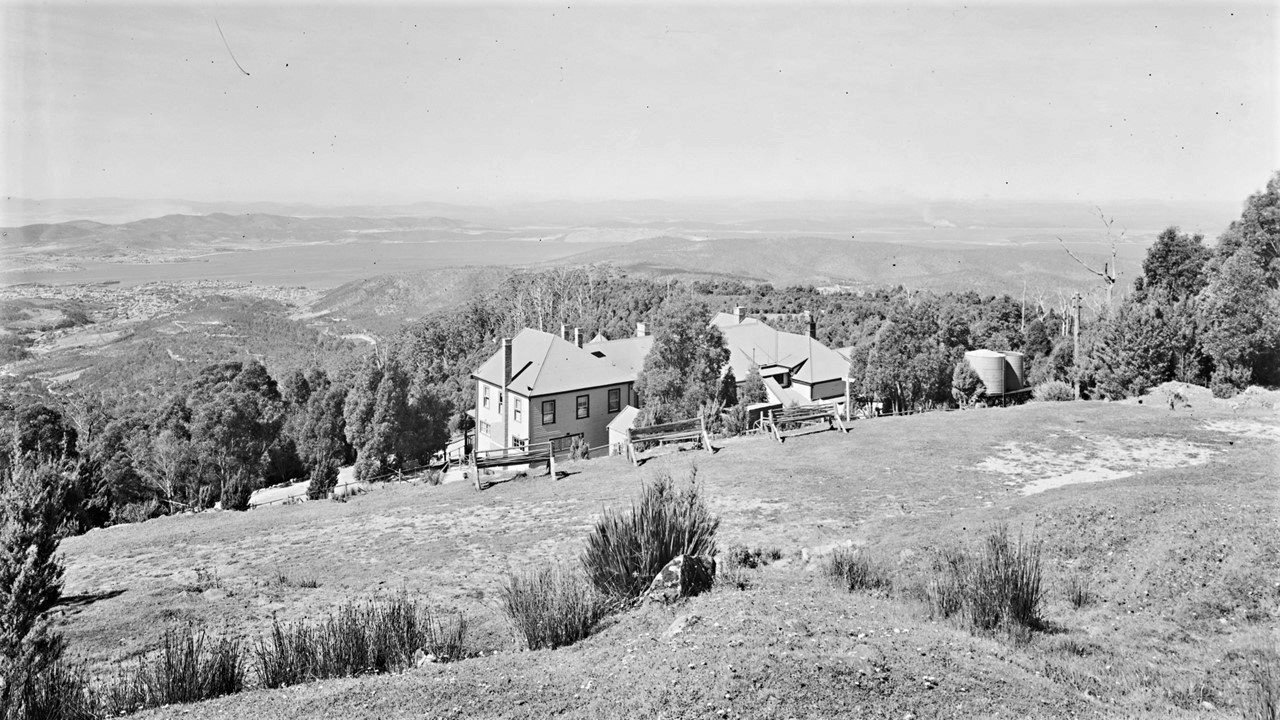
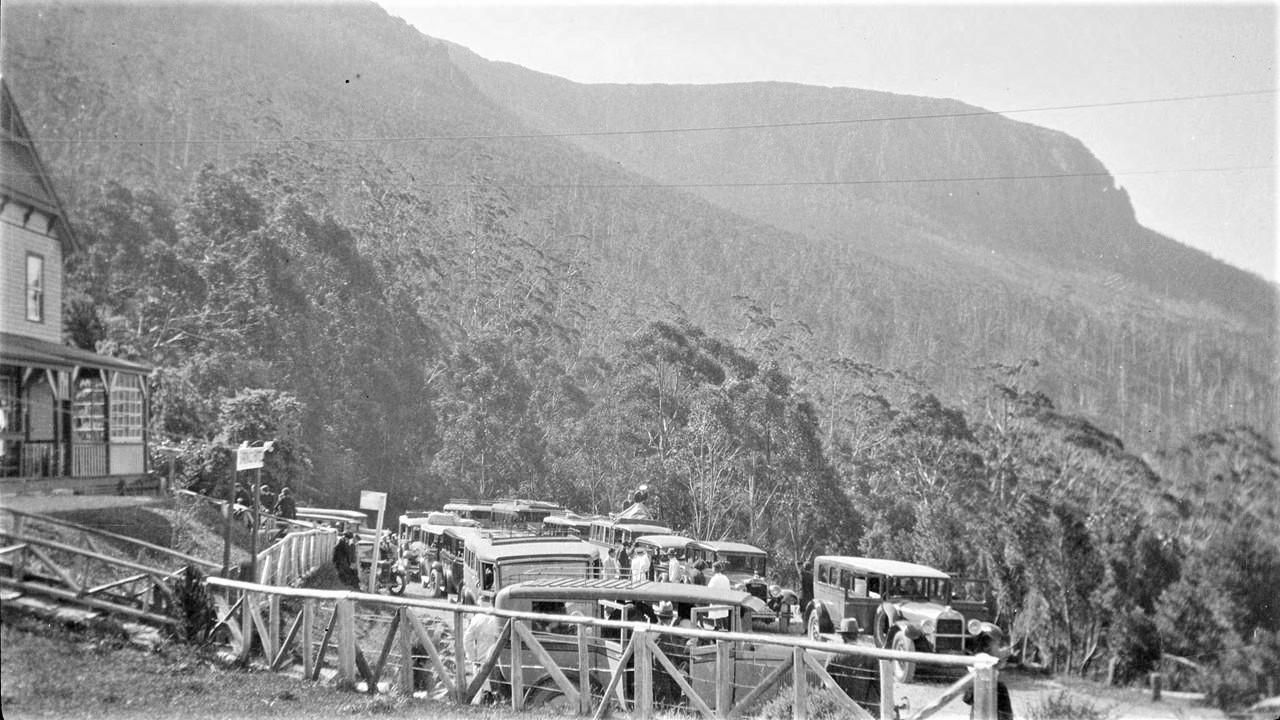
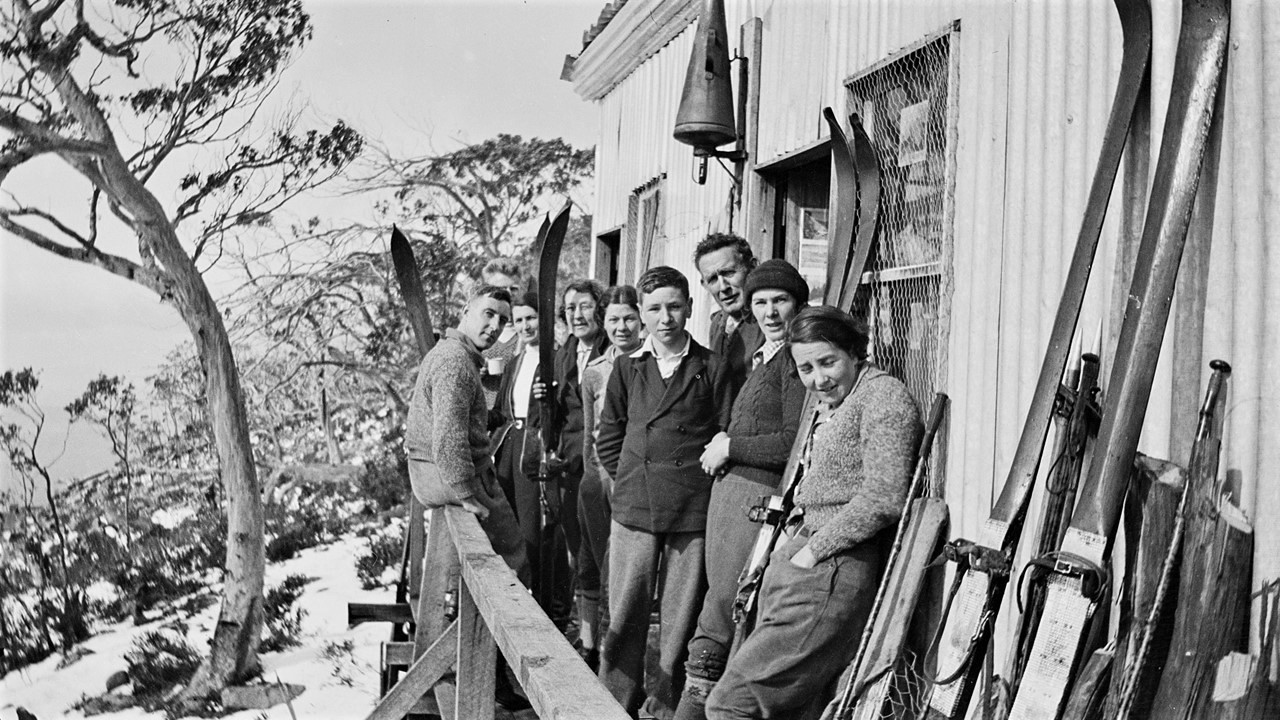
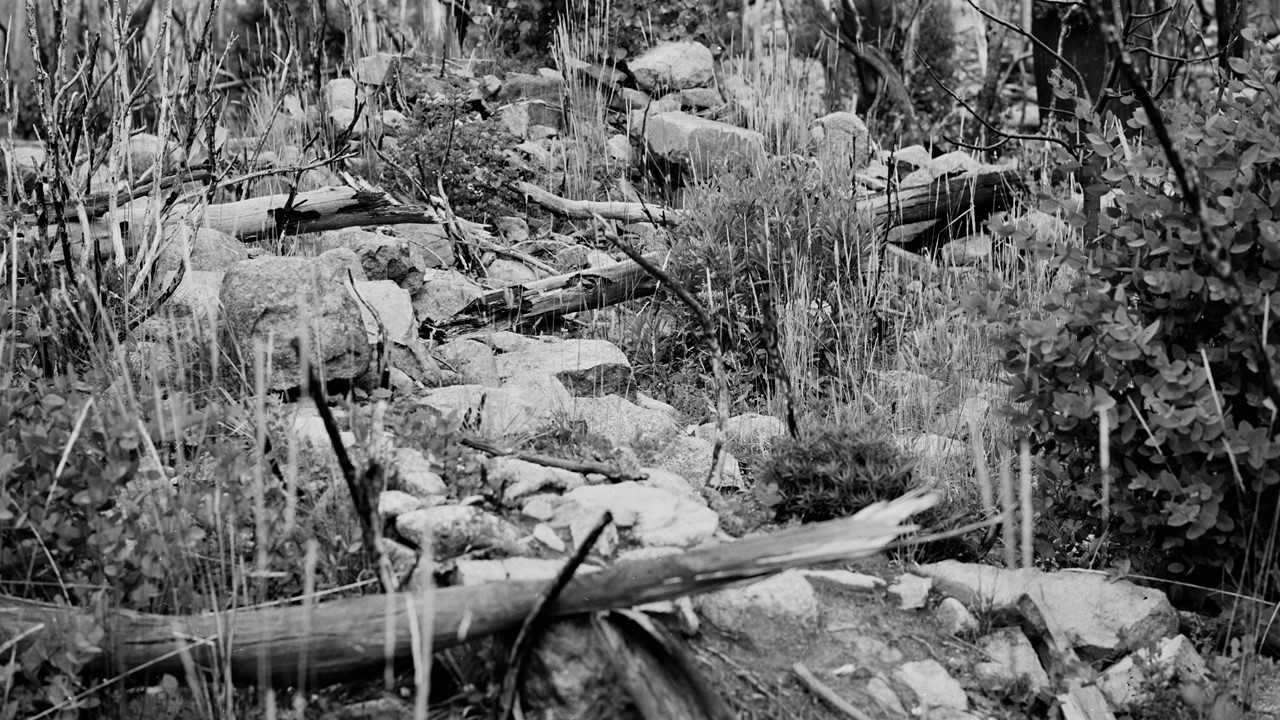
These photographs were sourced from the State Archives of Tasmania.
Tas That Was is a column that includes:
- anecdotes of life in Tasmania in the past;
- historical photographs of locations in Tasmania; and/or
- documentaries about locations in Tasmania.
If you have an anecdote or photograph you’d like to share with us, please send it to [email protected].