History
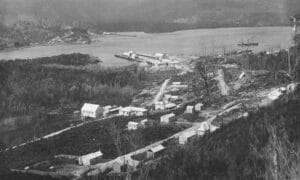
During the late nineteenth century, Port Arthur was seen as disreputable place due to it being a convict prison settlement.
When it closed in 1877, the state government wanted nothing more to do with it, so it sold the land and buildings to private settlers. By the early 1880s, a small but thriving community had been established at the site.
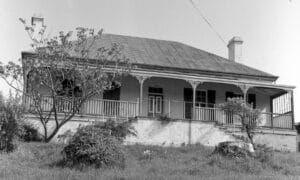
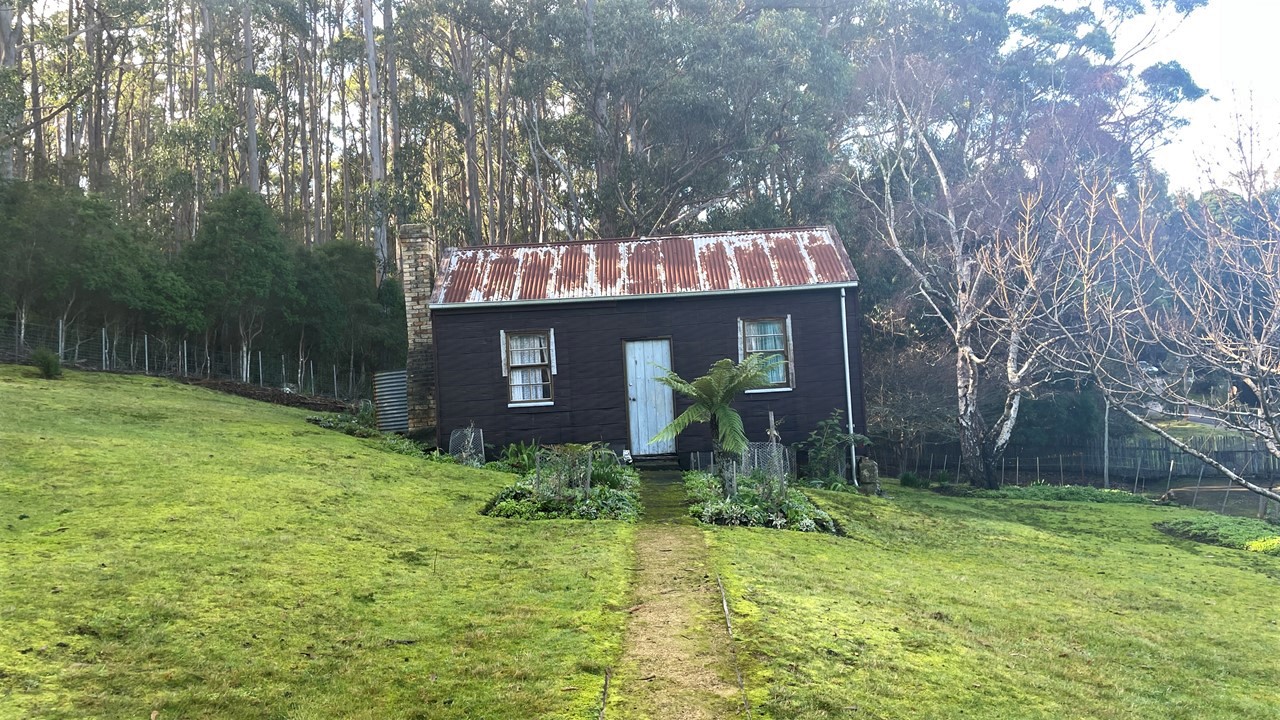
In 1942, William Radcliffe built this two-bedroom cottage for one of the locals, a World War One veteran named Vic McGuiness.
By 1954, Rex ‘Bill’ Troman, a fisherman, was living here. Pat Jones, who worked as a maid at the local hotel, was his resident housekeeper.
They lived together for 12 years before Troman moved out. Jones remained at the cottage, alone, devoting most of her time to the garden.
The state government eventually realised that Port Arthur was of historical significance, so it bought back the land and buildings over the course of a few decades.
By 1984, Pat Jones was the last private resident still living on the Port Arthur site.
She passed away in 1985. Her ashes were scattered under a tree in the cottage’s garden.
Description
The cottage is made out of corrugated metal, old convict bricks, and recycled sandstone blocks.
It sits on what used to be a large vegetable garden.
Bibliography
- The Port Arthur website.
- ‘Port Arthur Historic Site: A Case Study’ by The Getty Conservation Institute, Los Angeles.
* * * *
Tas That Was is a column that includes:
- anecdotes of life in Tasmania in the past;
- historical photographs of locations in Tasmania; and/or
- documentaries about locations in Tasmania.
If you have an anecdote or photograph you’d like to share with us, please send it to [email protected].