Wine
Rush to Urban Wine Walk

For a small, quality-driven industry that accounts for barely one percent of all Australian wine by volume, Tasmania has many strings to its bow.
One key feature is that many producers here have a high degree of public accessibility. Drop by all but the largest of our vineyards and wineries and the chances are the hands that pour your Chardonnay or Pinot Noir also grew the grapes and made the wines as well.
For that reason alone, vineyard tasting rooms and urban cellar doors should be frequent destinations if you are keen to increase your experiences and understanding of Tasmania wine.
But what if you find all that sipping and spitting just too intimidating?
Fear not, dear reader.
The good news is that Hobart’s Urban Wine Walk is back on the calendar next month, with nine participating Tasmanian wine producers once again teaming up with nine participating city venues to host this popular and very casual tasting extravaganza.
Don’t just save the date. (It’s Saturday 14 August.)


Urban Wine Walk returns. Image supplied.
Tickets are selling fast, so be prepared to add your name to a wait list at some locations.
Put simply, this is little more than a well-conceived, self-guided pub crawl. Participants can pick and choose where they’d like to begin and end their tasting adventures, not to mention sharing the day with friends and family along the way.
There’s no transport required. Nor sipping and spitting.
Event organisers have included participating venues that are within easy walking distance of each other. Each destination has its own unique set of sample wines, courtesy of their partner vineyard or winery.
The four-hour event (from 12 noon until 4:00pm) comprises a total of 27 tastings. The ticket cost is $75 plus booking fee.
Payment includes a $10 food voucher to use at your chosen starting location, as well as a $25 voucher to spend on wine you decide to order on the day.
The afternoon’s busy schedule begins with a tasty snack at your chosen starting location, to pique appetites and taste buds before undertaking this choose-your-own wine adventure.
The list of participating venues and wineries highlights the fact that this is no ho-hum tasting event. Many consumers of Tasmanian wine will be familiar with the likes of Derwent Estate, Bangor and Hughes & Hughes. But the majority of wines being poured on the day will come from small-scale, often highly innovative producers.
Some will have enjoyed significant wine show success and media acclaim. Others are more likely to travel under the radar, due to limited production and little or no involvement in events such as the annual Tasmanian Wine Show.
Take a look at the pairings: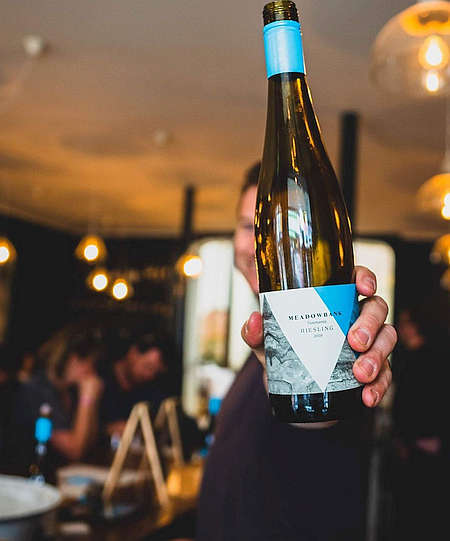

Grinners and Shiny Wine.
Rude Boy and Small Island Wines.
Johnston & Miller and Hughes & Hughes.
Fox Friday and Quiet Mutiny.
Aura Hobart and Bangor Vineyard.
Orient Bar and Torch Bearer Wines.
Belvedere and Derwent Estate.
La Sardina Loca and Made by Monks.
Tesoro and Mapleton Vineyard.
In May 2020, James Broinowski (Small Island Wines), Greer Carland (Quiet Mutiny) and Jonny Hughes (Hughes & Hughes) were named in a list of Top 50 Winemakers in the national Young Gun of Wine Awards.
Luke Monks (Made by Monks) appeared in this year’s Top 50, along with Greer Carland for a second time.
Hughes & Hughes winemaker Jonny Hughes was also named 2019 Young Winemaker of the Year by the Sydney-based publication Gourmet Traveller WINE.
Relative newcomers Mapleton Vineyards hit the headlines on the national wine scene back in December when Winestate magazine named the small, Tea Tree-based family company the winner of the 2021 National Wine Centre Trophy Rosé of the Year.
If you’re not able to purchase a ticket for Hobart’s Urban Wine Walk in August, keep your eyes and ears open for future events in the city. It has a history of success.
Perth hosted Australia’s inaugural Urban Wine Walk back in November 2016.
In 2019, organisers held almost 20 similar events around the country, as well as four in the New Zealand cities of Auckland and Wellington.
Christchurch joined that country’s wine walking fraternity in May of this year.


Head East in August
With around two dozen vineyards scattered up and down the east coast, from Sterling Heights and Priory Ridge at St Helens to Darlington at Orford, vines are becoming a familiar sight along Tasmania’s Great Eastern Drive.
Not every vineyard has a cellar door, however, but this is seriously good wine country. Collectively, vineyards there account for around 25 percent of Tasmania’s annual wine grape harvest.
Data published by Tourism Tasmania show that since 2016 the Great Eastern Drive touring route has been among the state’s top three tourist destinations.
Of course, in today’s COVID-pandemic world, times have been tough for east coast wine producers during the past 18 months. Tourism ground to a halt there in mid-2020 due to government-imposed lockdowns and travel restrictions.
For producers like Priory Ridge, that brought major changes to cellar door operations and on-line sales.
“Before the pandemic, our cellar door trade had comprised 40 percent overseas visitors, 40 percent interstate visitors and only 20 percent Tasmanian,” recalls co-owner and former state Labor MHA, David Llewellyn.
“Post-lockdown, the period between July and Christmas was really good. That continued on well into summer.”
Then came a six-weeks closure of the Tasman Highway near Orford near the end of May.
The drastic step was taken by the state government to allow contractors to work uninterrupted on the stabilisation of rock formations at Paradise Gorge.
Almost overnight, east coast regional centres became ghost towns. Cellar door trade once again ground to a halt.

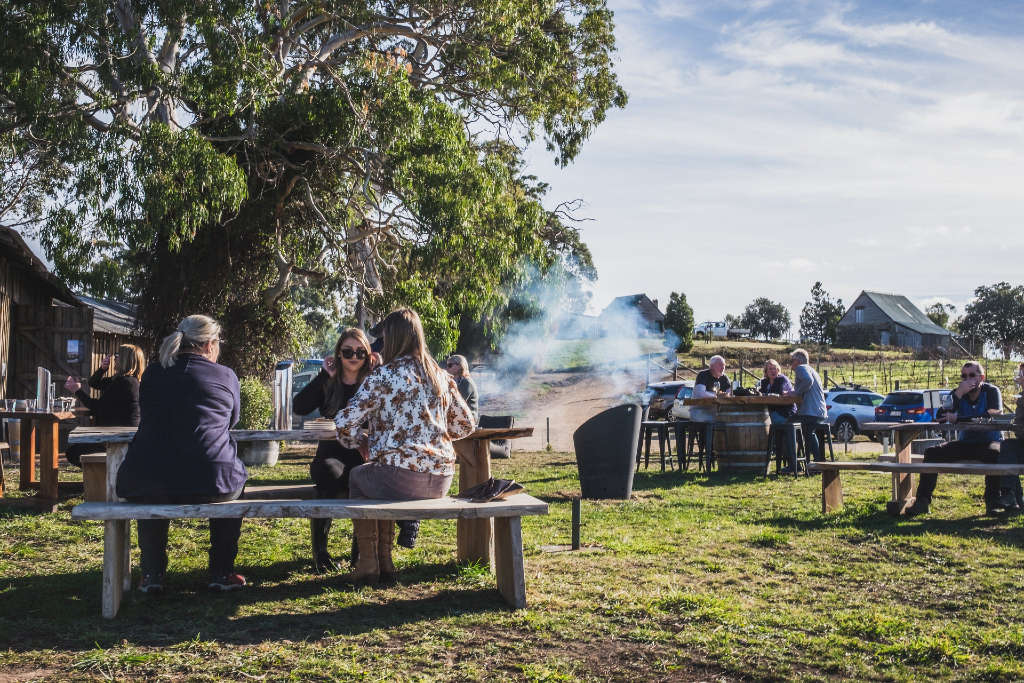
Cellar door tasting, east coast style. Image courtesy Craigie Knowe.
“It was like our customers had dropped off the side of a cliff,” says Craigie Knowe’s Glenn Travers.
“Up until then, cellar door activity had been great this year.”
Little wonder wine producers like Llewellyn and Travers are simply champing at the bit right now, counting down the days to this year’s Great Eastern Wine Week. The eleven-day festival runs from Friday 3 September to Monday 13 September.
It comprises a veritable smorgasbord of some 50 food and wine events to be held up and down the Great Eastern Drive.
If you’re keen on long lunches, degustation dinners, awe-inspiring walks and wildlife adventures – not to mention an abundance of wine tasting – then it’s time to save those and dates and make plans. Tickets are already on sale.
This will be the seventh-year tourism operators have worked together to promote their region under the banner ‘Great Eastern Wine.’ For the first time, 2021 will see the event expand beyond a single weekend.
“We are immensely proud of our achievements in promoting not only the wine but the excellent diversity of regional produce, experiences, chefs, cooks, caterers, providores, restauranteurs and communities of the east coast,” says Travers in his role as chair of the East Coast Wine Trail Association.
He believes the success of previous events has helped make the east coast one of Australia’s aspirational wine and food destinations.
One thing is sure. Tourism has become vital to the prosperity of this region’s economy.
According to East Coast Tasmania Tourism, tourism provides direct employment for some 1500 workers, in addition to 600 indirect jobs.
During the year that ended in September 2018, tourism contributed a very healthy $120.5 million to local coffers.
Time to head east. Watch this space for further news.


Hobart’s Mark Smith wrote his first weekly wine column back in 1994. Now more than 1700 features and 25 years later, he continues to chart the successes of Tasmania’s small scale, cool climate wine industry with regular contributions to some of Australia’s leading industry publications.
Tasmanian Times exists to amplify your voice
Please support our crowdfunding campaign to
rejuvenate independent media in Tasmania!
PICK OF THE CROP
Mark gives you his honest opinions about the best wines available right now from Tasmania’s wine makers.
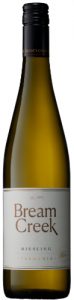

2020 Bream Creek Riesling $31
Some of Tasmania’s best Riesling – indeed Australia’s best – comes from the state’s east coast. While much of it is consumed by diehard fans, a significant volume remains largely ignored at retail level. How can that be when we have such a continual stream of delicious wines from producers like Bream Creek? This youngster offers a neatly balanced package of precision and elegance, something that can only come from cool climates. Its flavours are pure citrus, aided and abetted by white flower fragrances and some subtle sweetness. Gold medal winner in China, Germany and New Zealand. Wunderbar! www.breamcreekvineyard.com.au
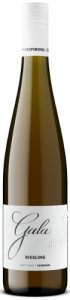

2020 Gala Estate White Label Riesling $32
The Amos and Greenhill families at Gala Estate have a proud farming heritage dating back 200 years. That noted, wines from the property’s carefully managed vineyards are as modern and contemporary as you would want them to be. White Label Riesling here is especially successful. The 2020 is something of a contrast to its delicate predecessor. There is such a tremendous intensity of flavour concentration it is almost overwhelming. If you’re not a fan of shy and retiring Riesling, then this vintage may be for you. Expect plenty of lime essence character with neat acidity and genuine drinkability. www.galaestate.com.au
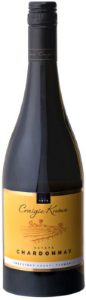

2020 Craigie Knowe Chardonnay $35
Craigie Knowe at Cranbrook on Tasmania’s East Coast is a very warm, dry site that can provide tough growing conditions for white grape varieties. The cool and damp 2020 vintage was almost ideal for Chardonnay and this new release reflects that by virtue of its relatively low alcohol (12.5%) and light-bodied structure. My goodness that’s an attractive combo for fresh, current drinking. Very pale in the glass, the wine displays intense lemony fruit with an engaging cumquat dimension. Oak is well-hidden, contributing to a user-friendly style that can be enjoyed with local scale fish. www.craigieknowe.com.au
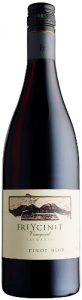

2018 Freycinet Pinot Noir $67
When Geoff Bull planted Pinot Noir within the natural amphitheatre of his east coast site in 1980 there was little of the variety anywhere in Australia. But luck’s a fortune. This 2018 wine shows you why Freycinet has become an industry flagship. It’s an amazing vintage, combining power and intensity with all the fine tannin and natural acidity it will need for a long life. Indeed, winemaker Claudio Radenti will have something special to enjoy in retirement. Rich and lush in dark berry and plum fruit, there’s a strength of character you seldom see in Pinot Noir. Next stop Burgundy. www.freycinetvineyard.com.au
ADVERTISEMENT – ADVERTISEMENT – ADVERTISEMENT

