
Looking pretty in pink is something many of us would normally associate with young toddlers in their party dresses… or thinking outside the square, perhaps those vast, road-hogging Cadillacs of the 1960s, with their white leather upholstery and acres of gleaming chrome and rocket fins.
Pink is fun, frivolous, light and fluffy. Why else would confectioners make pink marshmallows?
It’s strange how readily we form such blinkered views of the world.
Look back at the past history of Australia’s most popular pink or rosé wines and that may be relatively easy to understand. Many were of dubious quality – sourced from over-cropped, broad acre vineyards and propped up with plenty of residual sugar to mask the absence of genuine fruit flavour.
But times have changed and so have the wines in our cafés, restaurants and tasting rooms. Order a good quality rosé at your favourite wine bar and the drink you have on hand may be fresh, lively and laden with ripe fruit – or shy, dry and savoury, with complex flavours and satisfying textures to match.
There’s a rosé for every occasion.
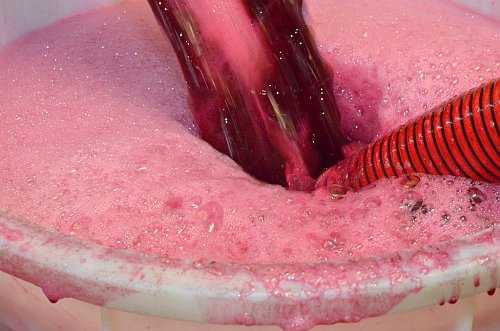
In the pink. Image courtesy Mark Smith.
Pink drinks now have broad consumer appeal in Australia. It makes perfect sense. Relaxed and easy-drinking rosé matches our laidback lifestyle and the vast range of foodstuffs we now plonk onto our meal tables and alfresco platters.
Tasmania’s small-scale wine producers have become beneficiaries of the increasing popularity of rosé. The broadening of stylistic interpretation is being supported by increasing premiumisation within the category. In other words, Australians are buying more interesting, better quality, higher-priced rosé wines.
Many winemakers toss out the rule book when it comes to creating these food friendly wines. In the Old World, rosé wines were often made by crushing red and white grapes at the same time, or by mixing together parcels of red and white wines that had completed their primary fermentation.
That holds true in the New World, occasionally by accident. Other techniques may include a little maceration of red grape varieties followed by a short period of contact between skins and juice prior to fermentation. The process of fermentation itself may take place in barrel, stainless steel or any number of other vessels such as amphora and concrete ‘eggs.’
Premium quality sparkling rosés in the Australian wine market were once limited to producers located on the other side of the planet. Not any more. Like their table wine peers, locally grown and made sparkling rosés have become a key part of an ever-expanding segment of our premium retail market.
“If trends in the UK, US and Japan are anything to go by (and they are), sparkling rosé is a category with tremendous potential for growth in Australia,” says Queensland-based Champagne and sparkling wine expert Tyson Stelzer.
Writing in his 2020 Australian Sparkling Wine Report, the author offers detailed assessments of some 240 different wines produced domestically. Sparkling rosés from Tasmania’s small and mid-sized wine companies are given lavish praise.
“Cool climate regions are naturally the focus among the highlights in this category, and Tasmania again dominates convincingly, producing more than half of this year’s highlights, and every one of my top six cuvées,” he notes.
Stelzer named Dr Andrew Pirie’s 2016 Apogee Deluxe Vintage Rosé as his Best Sparkling Rosé of the Year over $30.
Other Tasmanian wines given Stelzer’s imprimatur are Natalie Fryar’s 2017 Bellebonne Vintage Rosé, the 2008 House of Arras Rosé Methode Traditionnelle, 2016 Kreglinger Vintage Rosé, 2016 Ghost Rock Zoe Brut Rosé Methode Traditionnelle and the 2015 Stefano Lubiana Brut Rosé.
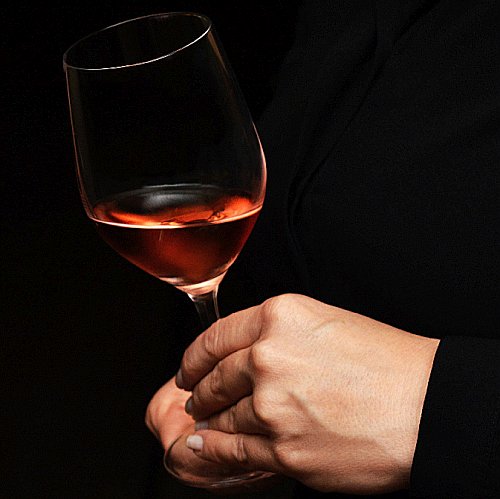 Plenty of other locally produced sparkling Rosés are given commendation in Stelzer’s eBook, most especially the Jansz Tasmania Premium Rosé NV, which has seen retail pricing as low as $20 per bottle around the state this festive season.
On the table wine front, the past week brought good news for the Laing family, who own and operate Mapleton Vineyards at Tea Tree in Tasmania’s Coal River Valley. Their yet-to-be-released 2020 Mapleton Pinot Noir Rosé was awarded the 2021 National Wine Centre Trophy Rosé of the Year by South Australia’s Winestate Magazine.
“We were honoured to have been entered by our winemakers into this competition for wine of the year in Australia and New Zealand,” says vineyard co-owner and manager Denis Laing.
“We were over the moon to have placed in the top five finalists but to find out we have been named Rosé of the Year is absolutely thrilling.”
Mapleton’s Pinot Noir Rosé from the outstanding 2019 vintage won gold at February’s 2020 Tasmanian Wine Show.
This year’s La Niña summer may not have provided Tasmanians with the best weather for enjoying rosé out of doors, but the wine quality now hitting our retail shelves appears to be in the pink in more ways than one.
ADVERTISEMENT – ADVERTISEMENT – ADVERTISEMENT
Josef Chromy milestone
Laying the foundations for success in the wine business takes much more than a good bit of vineyard dirt and a state-of-the-art winery. It requires vision, passion and tenacious spirit. Think of Tasmania’s Josef Chromy and you might well add good luck to that list.
Last week saw the industry doyen and founder of Relbia’s Josef Chromy Wines celebrate his 90th birthday. What a bash it must have been for those able to share the occasion with the quiet and unassuming vigneron and property developer.
Sunday’s six-course degustation lunch and Kate Ceberano concert were accompanied by generous pours of Josef Chromy sparkling wine. But wind back the clock 70 years and food and drink were much harder to come by as the Czech refugee fled his country of birth and made his way to Austria.

Josef Chromy two weeks prior to escape. Image courtesy Josef Chromy Wines.
German occupation of Czechoslovakia during World War Two had made Chromy’s middle childhood years something of a challenge. Given the nickname Pepik, he yearned for a better life.
Post-war occupation of his homeland under a Russian regime set the penniless nineteen-year-old on a path to freedom that eventually led him to the other side of the world. It was a treacherous journey. Border crossing was deemed illegal by the Red Army and Chromy’s escape was carried out in secret. Two friends accompanying him on his dangerous cross-country flight were intercepted by Russian soldiers.
“One was shot in the foot and captured and the other one I never heard from again,” Chromy recalls.
Finally free from oppression in Europe, he made Australia his destination of choice. As a political refugee and a butcher by trade, Chromy saw the young country as a vast land of opportunity.
Over the next seven decades, the one-time factory worker and master butcher fulfilled many of his personal and business ambitions. His Blue Ribbon Meats became one of Tasmania’s most recognised consumer brands.
In the 1990s, Chromy turned his attention to developing some of the state’s leading wineries, including Rochecombe (now the site of Bay of Fires Wines), Jansz, Heemskerk and Tamar Ridge. By the mid-2000s, he was ready to launch the Tasmanian wine brand that today carries his name into more than a dozen international wine markets.
Meanwhile, Josef Chromy’s inaugural winemaker/manager, Hobart-born Jeremy Dineen, continues to add lustre to the company’s impressive wine show record. The Tamar Valley company amassed 14 trophies and more than 170 gold medals during its first decade of operation.
Congratulations, Joe. May there be many more successes in the years ahead.

Wine critic Tyson Stelzer with Josef Chromy. Image courtesy Tyson Stelzer.
Hobart’s Mark Smith wrote his first weekly wine column back in 1994. Now more than 1700 features and 25 years later, he continues to chart the successes of Tasmania’s small scale, cool climate wine industry with regular contributions to some of Australia’s leading industry publications.
PICK OF THE CROP
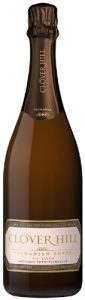 Mark gives you his honest opinions about the best wines available right now from Tasmania’s wine makers.
NV Clover Hill Tasmanian Cuvée Rosé $34
Tasmania is the nation’s best place to grow Chardonnay and Pinot Noir for sparkling wine production. The fruit here displays dazzling intensity and yields fine fizz, even at price points that are relatively modest for the wine marques of the region. Clover Hill’s ever reliable NV Rosé is a case in point. It opens with the striking salmon pink hues you’d expect of this classic style. The wine’s long creamy palate then offers a nice mix of freshness and subtle complexity without too much acidity getting in the way of enjoyment. Smart work. www.cloverhillwines.com.au
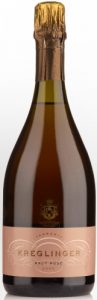
2016 Kreglinger Vintage Brut Rosé $75
Many winemakers across the country would give their right arm to have a sparkling Rosé that is the equal of Kreglinger’s trusty Ninth Island brand. But led by fizz wiz Natalie Fryar, the Pipers Brook winemaking team really upped the ante to produce this stylish wine in 2016. Made entirely from single site Pinot Noir, barrel fermentation and the wine’s subsequent 37 months on its yeast lees have really worked their magic. It’s refined and ultra-smooth, with balancing natural acidity supporting subtle spice, rosewater and red apple characters. Delightful. www.kreglingerwineestates.com
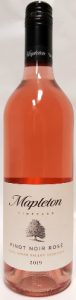
2019 Mapleton Vineyard Pinot Noir Rosé $33
This gold medal winner from the 2020 Tasmanian Wine Show was sourced from the Coal River Valley, north of Hobart. Skilful vineyard management has allowed its makers to capture the essence of cool climate Pinot Noir without burdening it with the hard tannins that occasionally accompany the red wines from this dry and sunny sub-region of Tasmania. The wine’s expressive cherry and red apple aromas and flavours are engaging and well sustained. It’s summer ready and works well in alfresco settings alongside smoked salmon and BBQ quail. www.mapletonvineyard.com.au
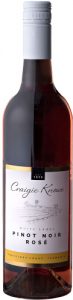
2019 Craigie Knowe White Label Pinot Noir Rosé $30
When Tasmanian wine industry pioneer John Austwick first planted Craigie Knowe at Cranbrook, he had aspirations of it being Cabernet country. Little did he realise Pinot Noir would ultimately provide the wines that would lure enthusiasts to the east coast in large numbers. That certainly applies to those produced by the vineyard’s current owners, the Travers family. This is a fresh and attractive interpretation of the rosé style, displaying intense cherry/berry and raspberry flavours on a palate enhanced by crisp acidity and low residual sugar. Straight forward, yes, but crowd pleasing, nevertheless. www.craigieknowe.com.au
ADVERTISEMENT – ADVERTISEMENT – ADVERTISEMENT