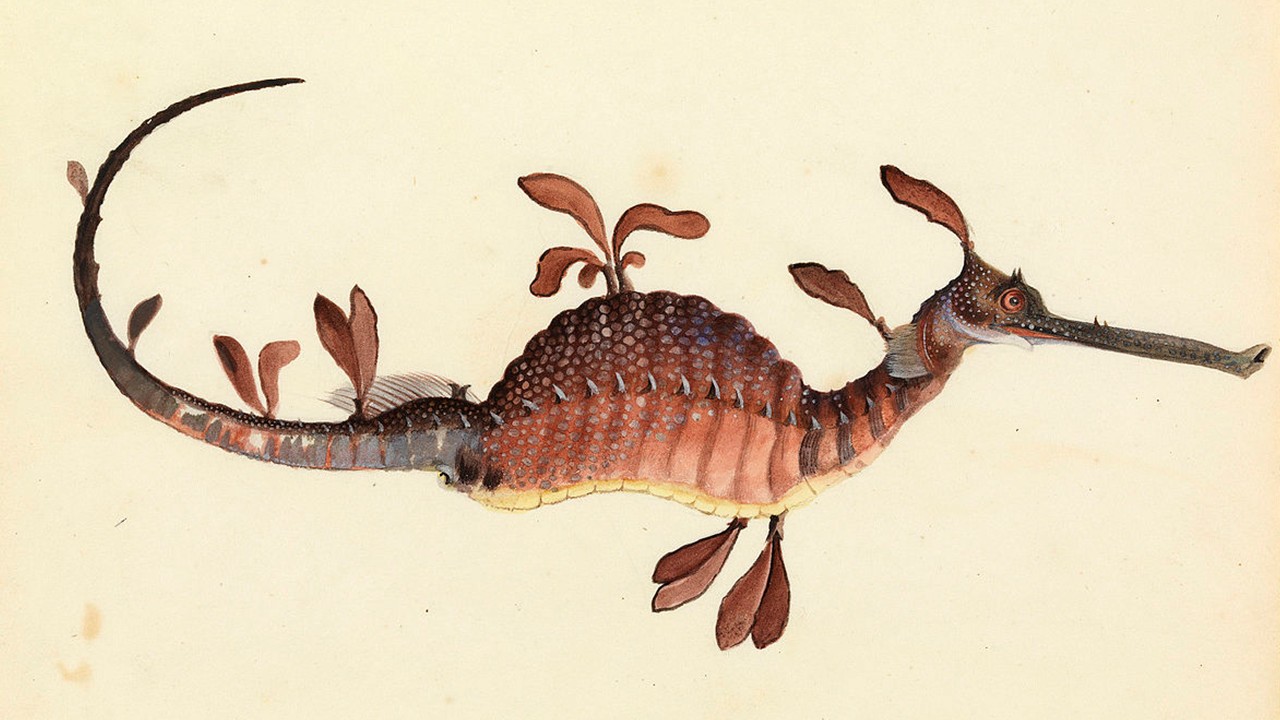
Early life
William Buelow Gould was born in Liverpool, England, and was a student of artist William Mulready. He eventually worked for Rudolph Ackermann in the Strand before becoming a porcelain painter at a Staffordshire pottery. He was married with two children by 1826.
On 7 November 1826, Gould was charged with stealing a coat by force of arms and sentenced to ‘seven years beyond the seas’. Before transportation, he abandoned his wife and would later remarry.
He arrived in Hobart Town in December 1827 and was sent to work at the local brickfields.
Gould’s record in Van Diemen’s Land was never good. His most frequent offences were stealing and drunkenness.
Mutiny!
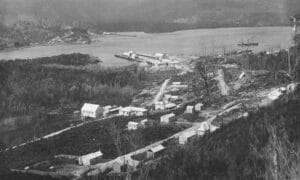
In 1829, Gould was caught trying to pass a forged bank note. He was sentenced to three years at the Macquarie Harbour penal settlement. He was loaded onto a brig named Cyprus, which then left for Macquarie Harbour.
During the voyage, the Cyprus became weather-bound in Recherche Bay. It was here where half the convicts mutinied and took control of the brig. The other convicts, including Gould, were marooned with the officers and sailors. Gould was part of a group that built a coracle and paddled it up the Channel, where they encountered the Opossum, which went and rescued the other castaways.
Gould’s sentence was reduced as a reward for not taking the opportunity to escape. He was then assigned to colonial surgeon, James Scott.
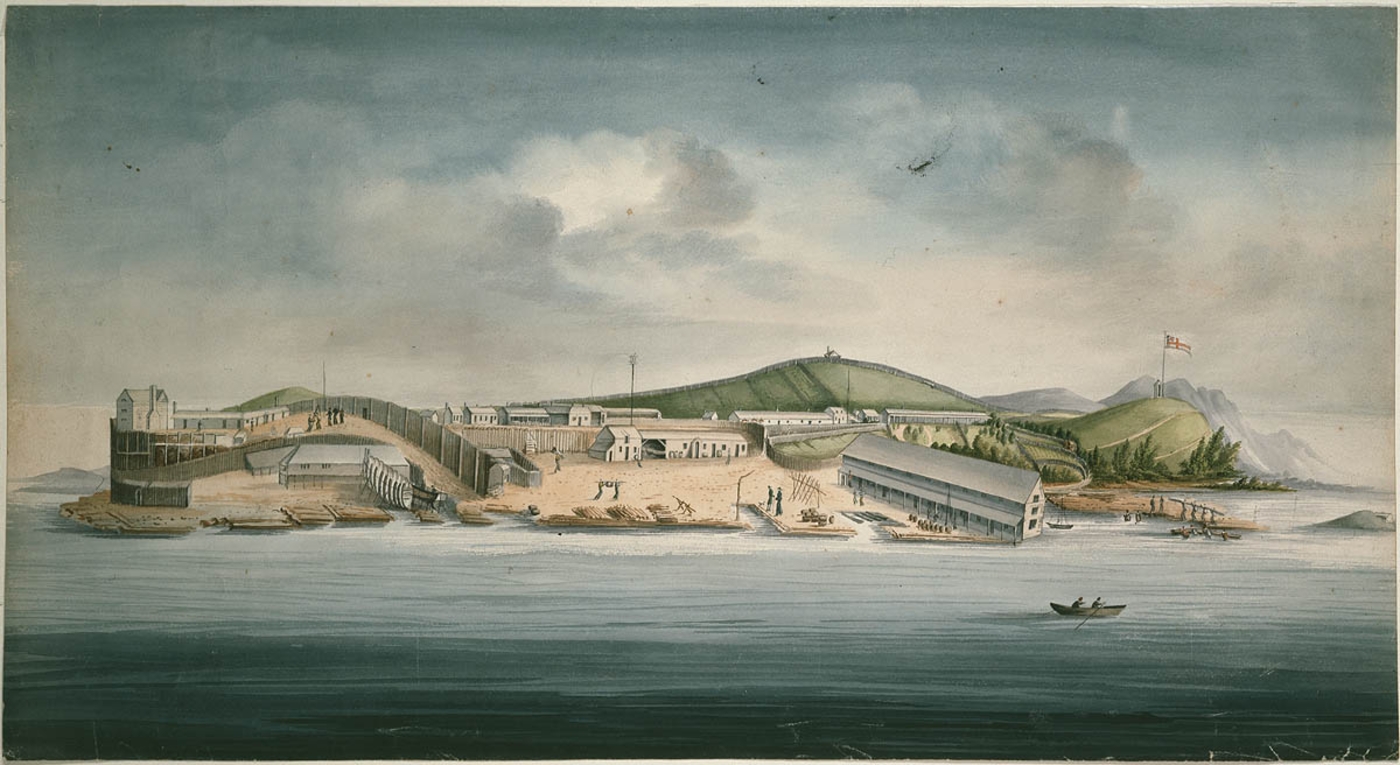
A watercolour painting of Macquarie Harbour by William Buelow Gould.
Subsequent convict career
For Scott, Gould produced what the Hobart Town Chronicle later described as one of the colony’s ‘most splendid collections of inimitable drawings’ of plants and birds.
In 1832, he was again sentenced to Macquarie Harbour after committing a string of offences. He painted many exquisite watercolours of plants, birds, and fishes while at Macquarie Harbour. He also painted a number of portraits of Aboriginal people.
When the settlement closed in 1833, Gould was transferred to Port Arthur.
He received his certificate of freedom on 25 June 1835.
Later life, death, and legacy
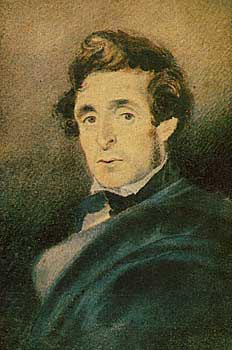
William Buelow Gould.
Gould worked for a coachbuilder in Launceston for a short period of time before returning to Hobart, where he married a woman named Ann Reynolds in December 1836.
He continued to paint many oil studies of animals, fish, and flowers, but eventually became marred by drunkenness, and lived in poverty with his wife and family. He died from natural causes at his home in Macquarie Street on 11 December 1853.
In addition to his output as a natural history artist, he produced landscapes, seascapes, a small number of portraits, and still lifes in oil on canvas. The still lifes are the works for which he is best known.
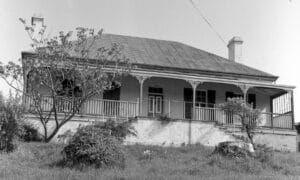
Entally House, Franklin House, the National Trust Home, the Narryna Folk Museum, the National Gallery of Victoria, the Queen Victoria Museum and Art Gallery, and the Tasmanian Museum and Art Gallery all hold Gould’s work.
His Sketchbook of Fishes was inscribed on the UNESCO Australian Memory of the World Register on 1 April 2011. A replica of it is on display at the Allport Library and Museum of Fine Arts.

Sailing ships off a rocky coast, 1840. Oil on canvas laid on board. William Buelow Gould.