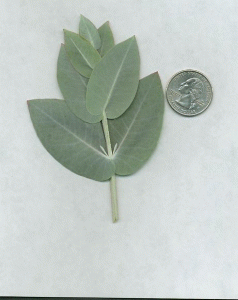
The E. nitens leaf material IS toxic, the actual toxic compounds that have been identified in our studies (there are many other known toxic substances in eucalypt leaves) are not as yet named…that is what is being done at present.
There are many papers in the literature stating the toxicity of eucalypt trees.
Without having to look too far on Google:
http://www.ansci.cornell.edu/plants/medicinal/eucalyp.html
“Eucalyptus spp. contain high levels of phenolics and terpenoids which can be toxic. Animals such as the koala which eat Eucalyptus have developed methods for detoxifying the compounds in the liver. In addition, they have bacteria that degrade tannin-protein complexes. Most animals do not have this ability.
Several adverse reactions have been attributed to the use of or contact with Eucalyptus oils, extracts, and fresh and processed plant material. Some of the specific compounds that can be toxic or cause adverse reactions include: 1,8-cineole, cyanogenic glycosides, rutin, and tannins. Most studies on adverse reactions have been conducted with rodents and most documented cases of adverse reactions focus on humans. Less information is available on livestock.
Overdoses of the oil in humans cause gastro-intestinal burning, abdominal pain, vomiting, and convulsions, depress respiration and the central nervous system, and may lead to comas and death. The data on deaths caused by consumption of eucalyptus oil in humans are not consistent—death has occurred after consumption of as little as 4-5 ml, while other people have become ill and recovered after consuming 120-220 ml of the oil.
and
While not related to the use of Eucalyptus in treatments, I find it interesting that growing certain species of Eucalyptus can cause its own problems. In Australia sawfly larvae, which contain poisonous polypeptides, often gather in mounds beneath E. melanophloia. When cattle consume the larvae, they become uncoordinated, tremble, and can suffer permanent liver damage.”
Where is the risk assessment for large scale E.nitens (foreign to Tasmania) plantations in our drinking water catchments?