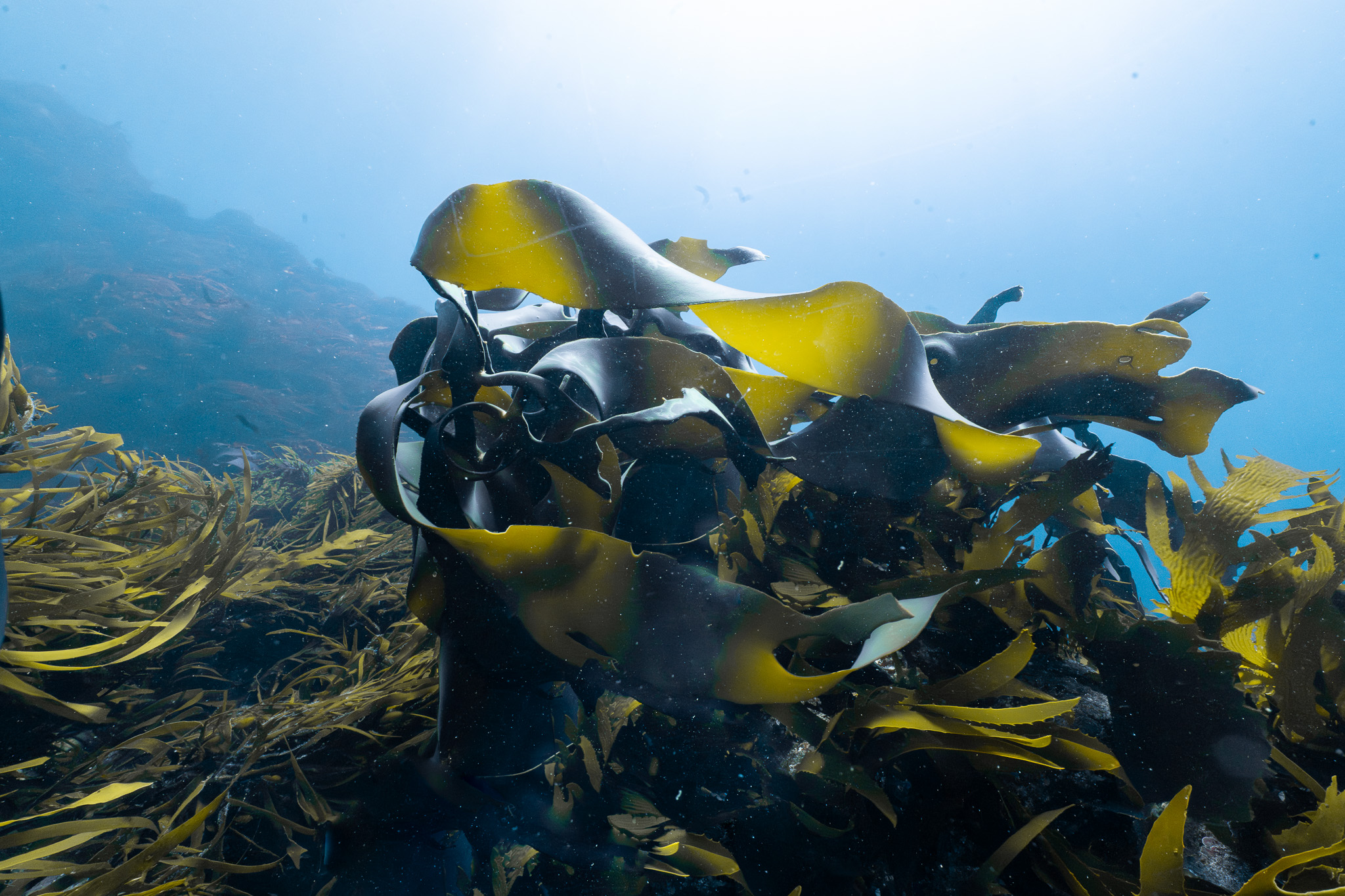
Tasmania was once ringed by vast underwater forests of giant kelp (Macrocystis pyrifera), stretching like golden cathedrals from the seafloor to the sunlight above. These towering marine forests were among the most productive ecosystems on Earth — nurseries for fish, feeding grounds for seabirds and seals and powerful carbon sinks supporting the health of the planet’s oceans.
Over the past few decades, however, these forests have almost disappeared.
Warming seas and changing ocean currents have caused nutrient-rich waters to retreat southward, starving the kelp of the conditions it needs to grow. More than 95 percent of Tasmania’s giant kelp forests have been lost, transforming once-thriving coastal ecosystems into barren seascapes.
In response, a collaborative project between the Institute for Marine and Antarctic Studies (IMAS) and Eaglehawk Dive Centre is working to turn the tide.
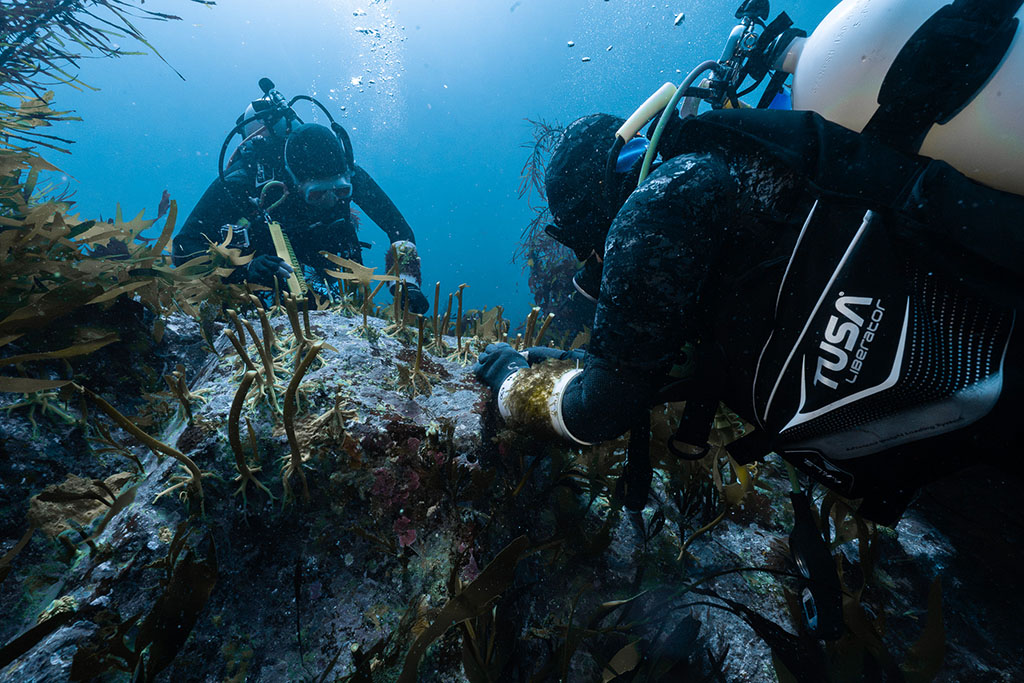
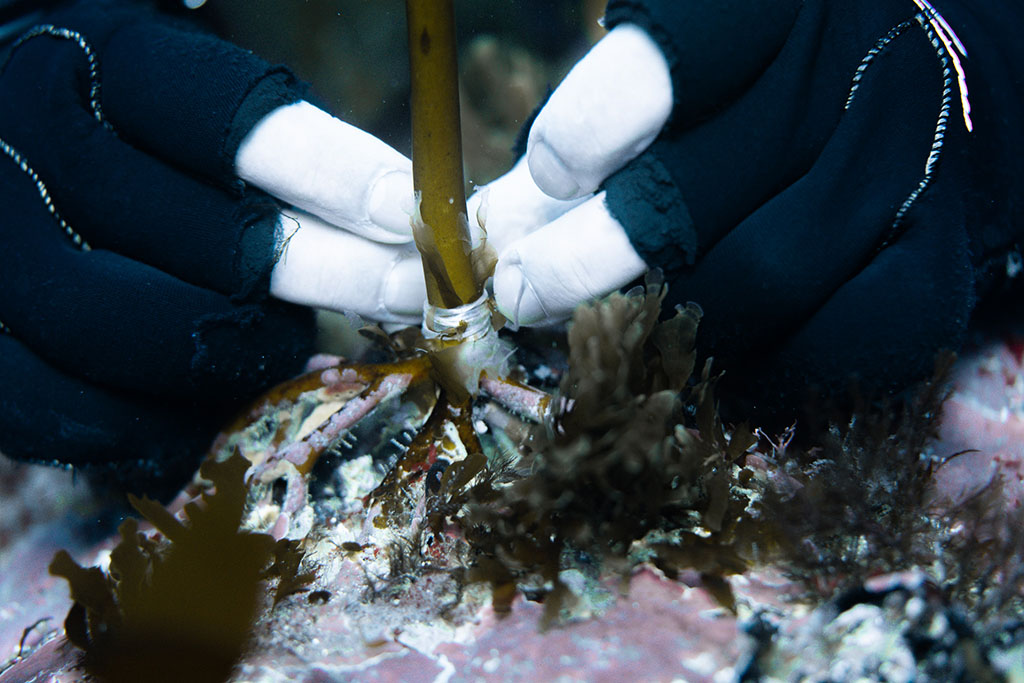
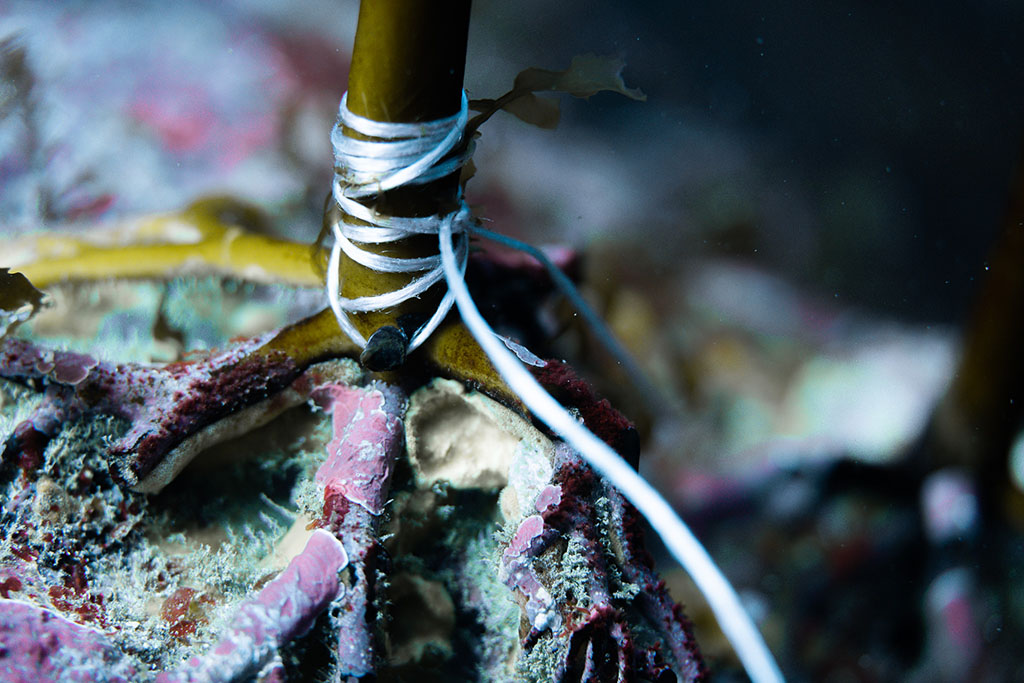
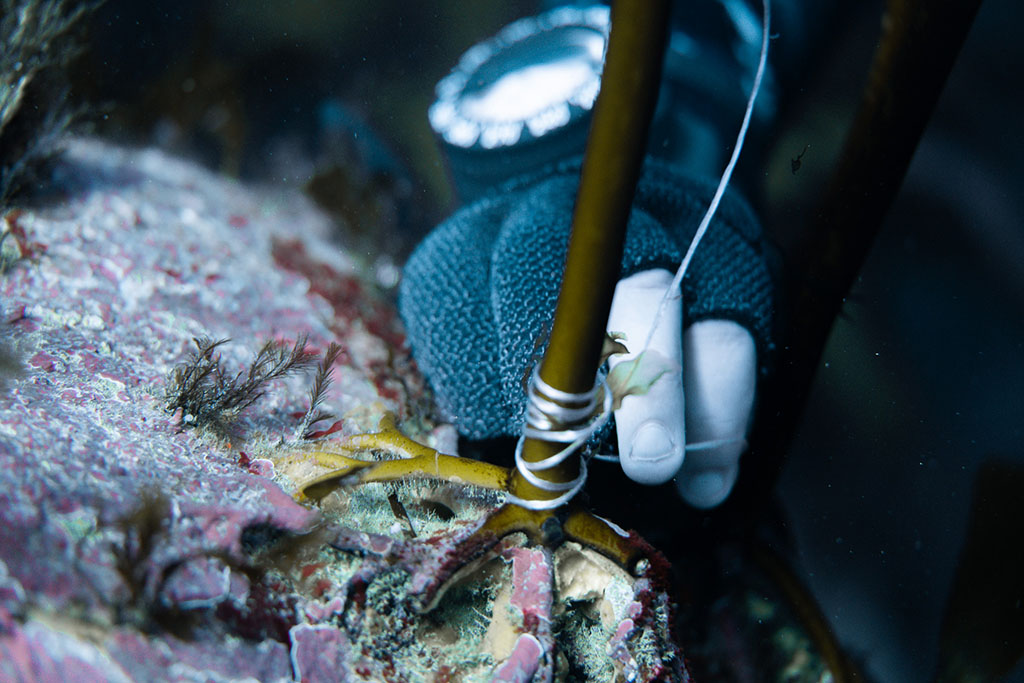
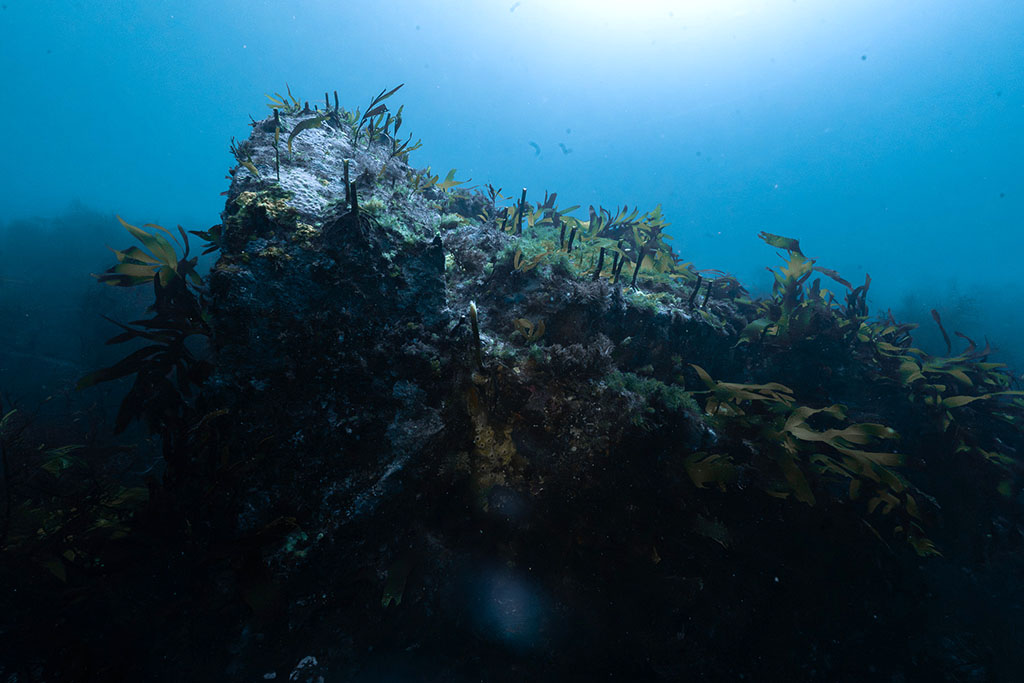
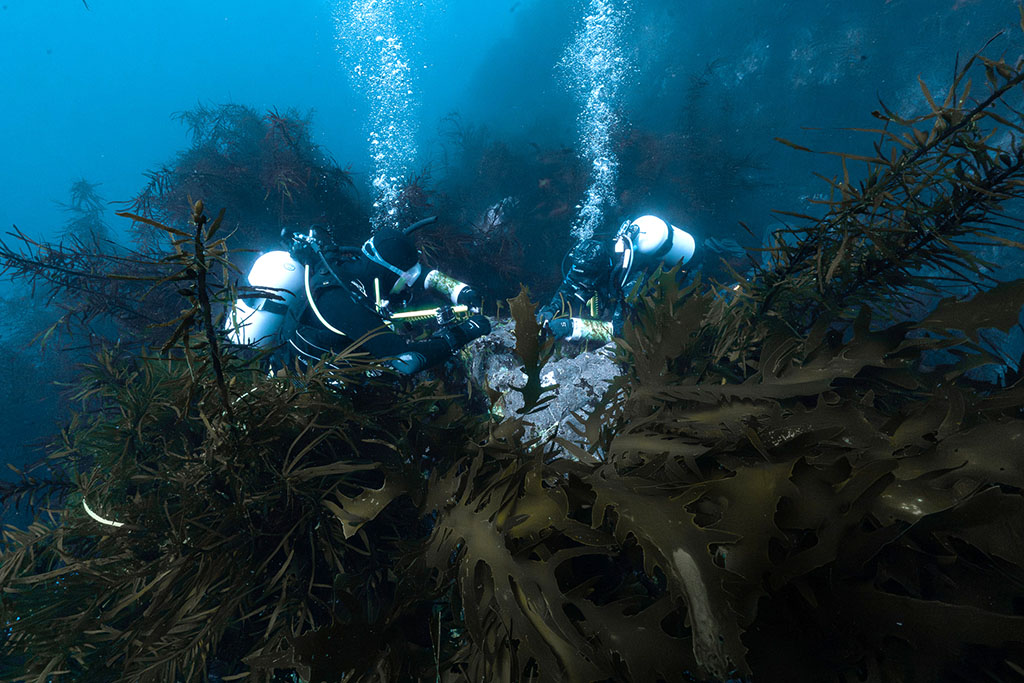
Scientists, divers, and local community members are cultivating and planting juvenile kelp along Tasmania’s east coast, using spores collected from the last remaining resilient individuals. These outplanting trials aim to identify genetic lines of kelp that can withstand warmer temperatures and changing ocean conditions — a crucial step toward restoring these lost habitats.
“Restoration at this scale is experimental, but it’s also deeply hopeful,” says a spokesperson from the restoration team.
Each new frond represents a test of resilience — and a commitment to bringing life back to these waters.
The initiative is part of a broader movement to protect and restore kelp forests globally. Kelp forests fringe nearly one-third of the world’s coastlines and are estimated to contribute hundreds of billions of dollars annually in ecosystem services, from carbon sequestration to fisheries productivity.
Yet, as much as 60 percent of global kelp forests have declined in the past half-century due to ocean warming, pollution and coastal development.
In Tasmania, where the loss has been among the most severe, the project is rekindling both ecological and cultural connections. For local divers and scientists, replanting giant kelp is about more than ecosystem repair — it’s about restoring a sense of place.
The photographs presented here document that story – the hands, eyes and hearts of those working underwater to bring back one of Tasmania’s most iconic marine species. They reveal not only the science of restoration but the human determination to protect what remains and rebuild what has been lost.
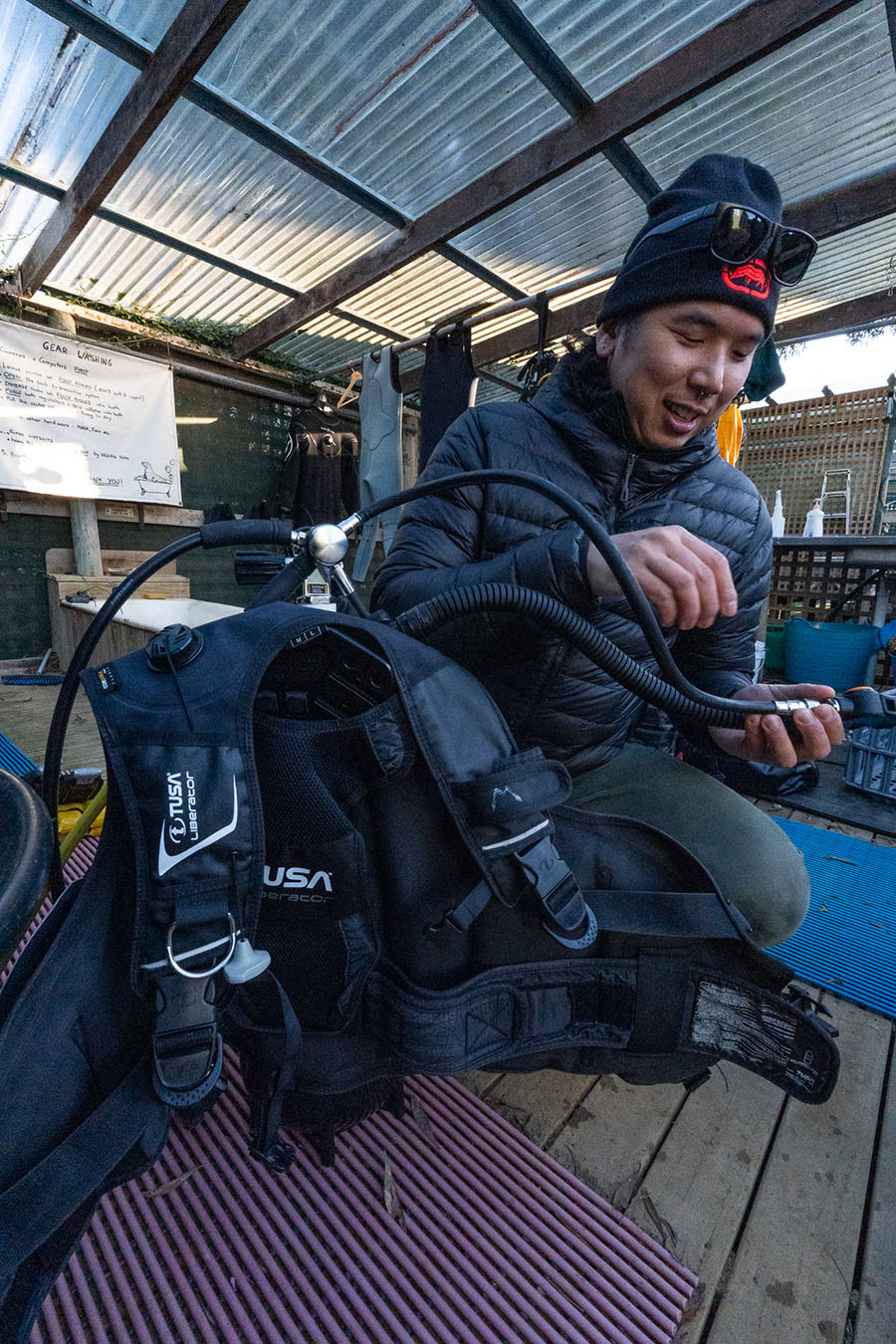
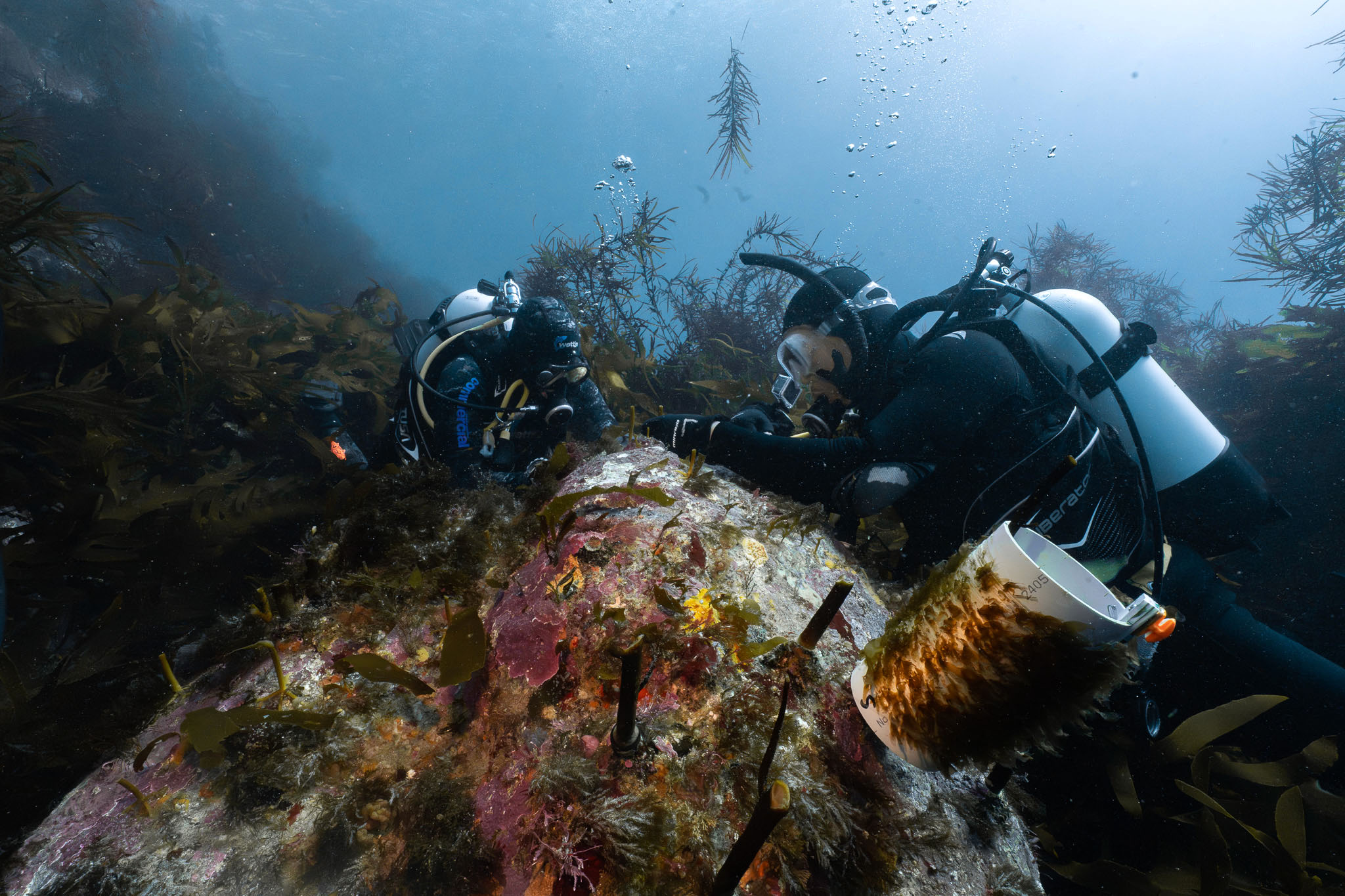
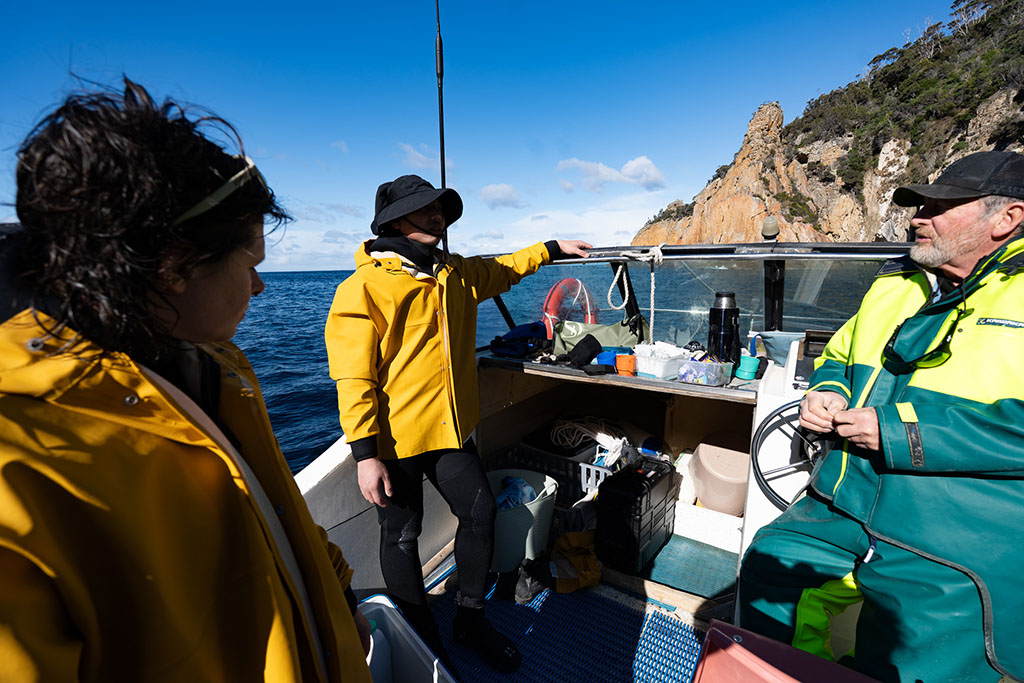
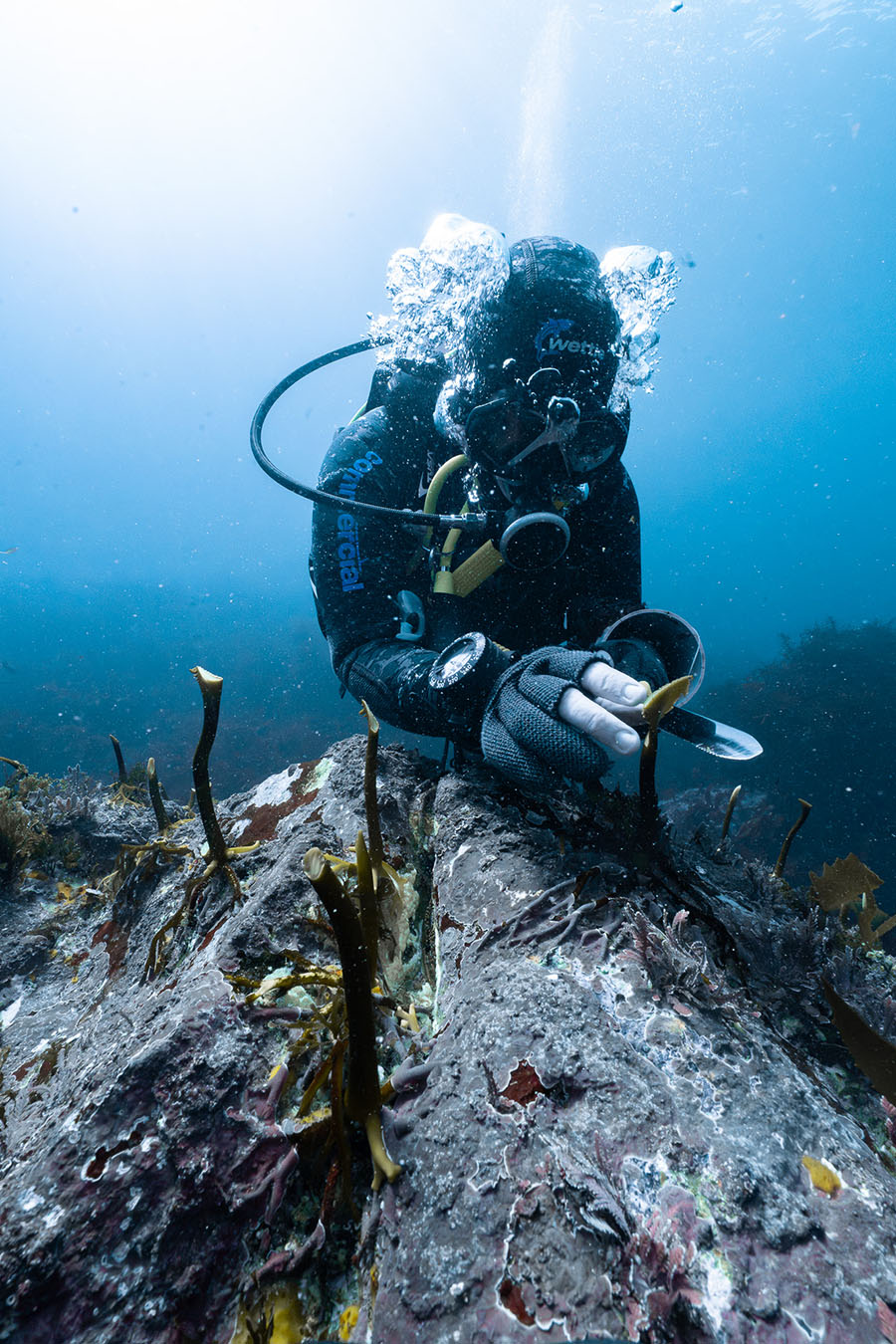
This work has received support through the Australian Government’s Saving Native Species Program, and represents a growing collaboration between research institutions, local businesses and the wider community. While small in scale compared to global restoration efforts, Tasmania’s kelp work offers a vital blueprint — showing how local action can inform global recovery.
If successful, these underwater plantings could mark the beginning of a new era for kelp restoration in Australia — one rooted in science, community and hope.
Images by Jimi Karlsen Photography. Images show volunteers Joel Lee and Tracey Martinovich, as well as Eaglehawk Dive Centre Skipper Mick Barron. Written by Jemma Fleming, Giant Kelp Restoration volunteer.
Tasmanian Times (TT) is a community-based news and current affairs service covering the island state of Tasmania. It exists to provide a diverse presentation of Tasmanian issues. TT creates and supports independent media content utilising the best of modern technologies and tried-and-true practices of public-interest journalism.
Support us in expanding our coverage and developing new content by and for Tasmanians.
New initiatives on the way include … what our contributors and readers suggest! Please get in touch with your suggestions.