Field of Broken Dreams
Why Hobart’s Stadium Gambit Echoes the Illusory Allure of “If You Build It, They Will Come”
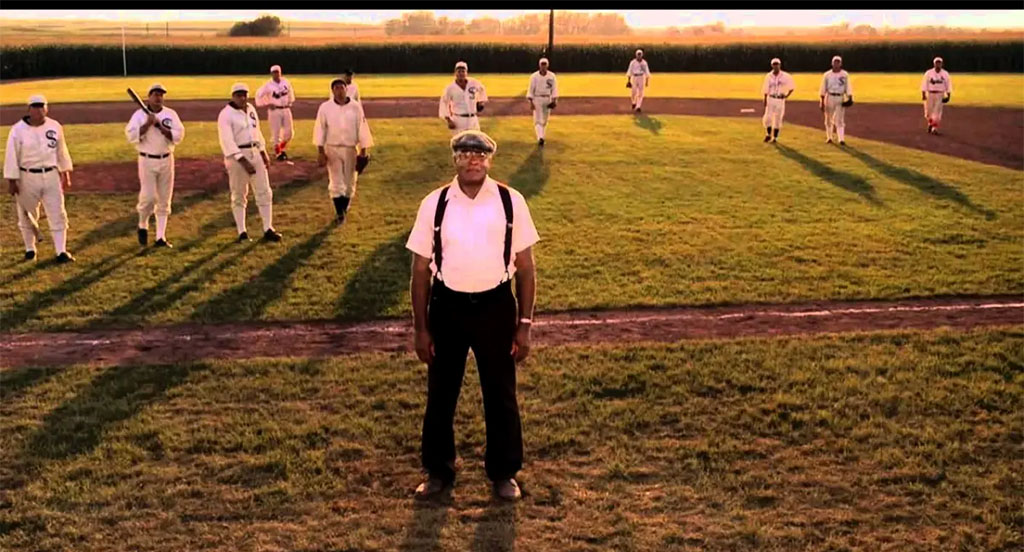
In the 1989 cinematic gem Field of Dreams Kevin Costner’s Iowa farmer Ray Kinsella hears a ethereal whisper from the cornfields: “If you build it, he will come.” It’s a line that has become shorthand for the seductive power of grand visions—ploughing under a cash crop to erect a baseball diamond in the belief that it will summon ghosts of the past, heal family rifts and draw crowds from afar.
The film romanticises this leap of faith as a triumph of heart over ledger where the stadium (or ballfield) becomes a magical attractor, filling seats with spectral sluggers and wide-eyed pilgrims. But beneath the nostalgia lies a cautionary tale: unchecked optimism can lead to financial ruin, social division and a monument to hubris gathering dust.
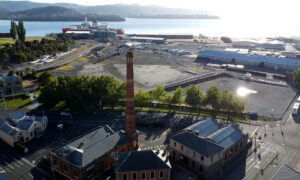
Fast-forward to 2025 and Tasmania’s proposed Macquarie Point AFL stadium in Hobart feels like a real-world sequel—one where the whispers are from politicians and league suits and the “they” who are supposed to come might just stay home, leaving taxpayers holding the bag. The Hobart stadium, a $1.13 billion (and climbing) roofed, 23,000-seat behemoth on the city’s historic waterfront was greenlit as a non-negotiable condition for Tasmania’s entry into the AFL with the Tasmania Devils team in 2028.
Proponents, echoing the movie’s mystical mantra paint it as an economic enchanter: a catalyst for urban renewal, tourism booms and community unity. Premier Jeremy Rockliff has called it the “enabler” for hotels, pubs and cafés, projecting $120 million in annual economic uplift from games and events. The AFL, wielding the licence like a spectral bat, insists it’s locked in—no stadium, no team.
Build it, they say and the interstate fans, corporate sponsors and concert-goers will flock to this island outpost, transforming Hobart’s sleepy foreshore into a buzzing hub. But as Field of Dreams subtly underscores through Ray’s mounting debts and sceptical neighbours such dreams are often illusory—built on untested assumptions, blind to opportunity costs and prone to evaporating when reality’s curveball hits.
The Mirage of Attendance – Ghosts Don’t Buy Tickets
At the heart of the “build it and they will come” delusion is the film’s promise of effortless crowds. Ray’s diamond lures not just the living but the legendary—Shoeless Joe Jackson and Moonlight Graham materialising like clockwork. In Hobart the business case hinges on similar fairy dust: KPMG’s now-discredited modelling forecasted hordes of interstate visitors, inflating benefits by basing figures on Launceston games featuring two visiting teams rather than the Devils’ home fixtures against just one. Independent economist Nicholas Gruen shredded this in his parliamentary evidence calling it “bizarre” and symptomatic of “optimism bias” that ignores Tasmania’s geographic isolation—no mainland bridge to ferry fans across Bass Strait on a whim.
The Tasmanian Planning Commission (TPC) echoed this in its September 2025 report deeming projected tourism and event revenues “overstated” and unsupported by evidence with the stadium’s true cost ballooning past $1 billion amid construction delays. Polls bear this out: While 80% of Tasmanians crave an AFL team, a majority oppose this stadium at this price and site, fearing it as a “budget bomb” rather than a draw. Bellerive Oval has hosted AFL games for decades without fanfare or fiscal Armageddon—why bet the farm on a waterfront white elephant when ghosts of past matches haven’t exactly haunted the turnstiles? In Field of Dreams the field’s magic sustains itself; in Hobart the AFL’s punitive clauses (like $4.5 million annual fines if not 50% built by October 2027) ensure only mounting debts if the crowds don’t materialise. It’s not faith; it’s a Faustian bargain.
The Shadow Over Sacred Ground – When Dreams Eclipse Heritage
Ray’s cornfield sacrifice disrupts his livelihood but spares the soul of his land. Hobart’s stadium however looms as a “singular, large, bulky monolith” over the city’s irreplaceable heritage per the TPC’s scathing assessment. Macquarie Point sits at the nexus of Hobart’s historic port precinct and its northern arterial just 40 metres from the Federation Concert Hall—threatening the Tasmanian Symphony Orchestra with “unanswered questions around noise and vibration” from crowd roars and PA systems, potentially deafening performances in a venue built for acoustic purity. Worse it overshadows the Hobart Cenotaph, a hallowed war memorial central to Anzac Day dawn services with RSL Tasmania decrying the “detrimental impacts” on views and solemnity—issues ignored in the hasty site selection that bypassed consultation with veterans, the city council and even TasWater whose sewage plant lurks beneath.
The TPC ruled these “irrevocable and unacceptable adverse impacts” on Hobart’s “spatial and landscape character, urban form and historic cultural heritage” outweigh any gains, recommending the project halt. Yet the government dismissed it, accusing critics like Gruen of bias whilst character-assassinating under parliamentary privilege—a far cry from Ray’s solitary conviction, more akin to the film’s town hall doubters weaponised by power. In a city with limited public transport and a housing crisis this isn’t renewal; it’s erasure, trading cultural heartbeat for a dome that could “ruin” symphony stages and veterans’ vigils. Dreams built on such shaky ground don’t summon spirits—they summon lawsuits and regrets.
The Debt of Delusion – Illusions That Bankrupt the Believers
Field of Dreams ends with Ray’s gamble paying off in personal catharsis but the subtext warns of the toll: his farm teeters on foreclosure until the miracle. Hobart’s miracle is mired in mismanagement from the start—a “hasty process” between the AFL and government, rejecting alternatives like Regatta Point despite support from the RSL and council. Costs have spiralled from $715 million in 2023 to over $1.13 billion with Gruen forecasting an extra $1.8 billion in state debt, unacknowledged in KPMG’s “dodgy” report that omitted opportunity costs like housing on the federally funded site. The Commonwealth’s $240 million is for precinct-wide development not this albatross, leaving Tasmania to borrow recklessly amid budget pressures.
Opposition Labour despite “deep concerns” reaffirms support for the “dream” of a team but independents in the upper house smell a “dud deal.” As in the film the true cost isn’t just dollars—it’s division: resignations toppling governments, protests from artists and veterans and a polarised parliament where both majors back the build despite the TPC’s red flags. Ray’s field thrives in isolation; Hobart’s would choke a fragile ecosystem with site contamination, transport snarls and overstated jobs (just 385 FTE during construction per critics). When the whispers fade and the crowds don’t come what’s left? A monument to illusion, echoing empty like a half-built diamond in the rain.
In Field of Dreams the magic works because it’s fiction—a heartfelt fable for underdogs. Hobart’s stadium, though, is flesh-and-blood folly: a $1 billion bet on spectral spectators in a town that can’t afford the loss. The line “If you build it, they will come” isn’t prophecy; it’s peril, a siren’s call luring leaders to plough under heritage and budgets for a harvest that may never ripen. Tasmania deserves its Devils but not at the cost of its soul. Renegotiate with the AFL, pivot to Bellerive upgrades or risk a sequel where the only ghosts are those of squandered millions. As Ray learned some dreams heal; others haunt. This one feels like the latter.