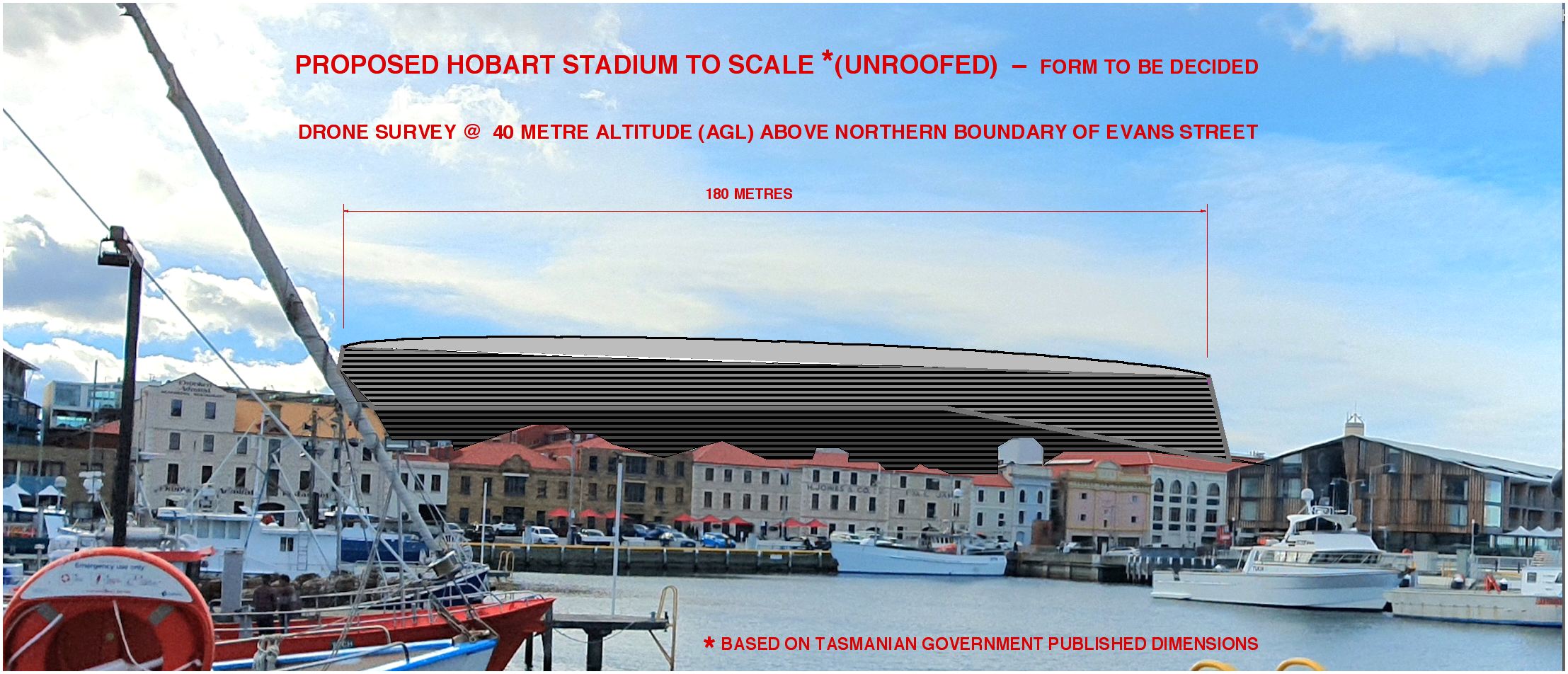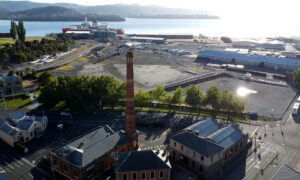
Jeremy Rockliff’s election campaign video promotes all of his government’s social and economic achievements together with his growth forecasts, yet, strangely, his dreamchild does not even rate a mention. On the first day of the campaign he seemed unsurprised by the barrage of media questions on that very subject and came prepared with his promised ‘not a cent more’ regarding the stadium build.
Putting aside (for a moment) my personal opinions on the procurement process, the location of, and the need for a new stadium, there is no doubt Tasmanians are confused, conflicted, and bitterly divided on this political hot potato.
There are even some undeserving candidates so confused as to declare no definite position on the festering controversy that triggered the early election.
History teaches us valuable lessons. Back in 1967 there was similar opposition to a Sandy Bay casino with concern over the fact that a monopoly licence would be awarded to Federal Hotels without any call for a tender. As with the stadium today, many thought the casino and its location were bad ideas.
So, in 1968, the Reece Labor Government held a state referendum to ask Tasmanians how they felt. With a marginal ‘yes’ vote of 53% the project was given a green light and construction of Australia’s first legal casino was commenced. The Wrest Point Hotel Casino was completed and opened in February 1973.
Visiting from Sydney in April of that year, I remember being sadly underwhelmed by Sir Roy Grounds’ truncated copy of Harry Seidler’s Australia Square tower inflicted upon the peaceful shores of Sandy Bay – the architecture was, and still is, comfortably at home in Sydney’s CBD where it originated. Then, in 1985 – to yet more opposition – the casino introduced poker machines.
Having already had her political fingers burnt on that social reform – ‘Save our jobs, save our clubs’ – Rebecca White (in an expected tight race) would garner much-needed support if Labor acknowledged the electoral polarisation and campaigned on the promise of a Macquarie Point stadium referendum.
And now my personal opinion.
I chose the Wrest Point Hotel Casino as a landmark demonstration of how a client’s misguided insistence can override civic expectations and plain common sense. Until 1968, Roy Grounds had never designed or championed a high-rise building and leant heavily on his friendship with Harry Seidler to satisfy his wealthy client’s big-city smalltown aspirations.
In an exquisite historical precedent, shortly before the 1968 referendum was to be held, the Reece Labor Government, sensing they had the numbers in the parliament, pushed through the legislation to legalise the casino. They did not wait for the results of the vote.
When the vote was taken the hotel redevelopment was narrowly passed. Questions have since been raised about how the legislation was passed, with one member of parliament, Kevin Lyons suspected of having accepted bribes over the licence.
We may now be inured to the towering incongruity of the Wrest Point Casino, but surely, public awareness of architectural scale and heritage sensibilities has matured over the course of those fifty years.
Today, as an informed society, we’ve learnt to read between the broadsheet lies and to recognise the winking backroom coercion of a mega-wealthy client massaging a former Premier’s self-aggrandisement.
Mark Pooley is a retired architect living in Hobart.