Media release – Antarctic Science Foundation (ASF), 26 May 2022
Closing the COVID research gap: Antarctic Science Foundation scholarship support helps fund vital research into crested penguins in the Southern Ocean
COVID-19 has significantly impacted university students, particularly those completing a PhD but there’s much-needed support on the way for a group of PhD students in Antarctic Environmental Science.
The Antarctic Science Foundation (ASF) has announced the recipients of its 2022 Traversing the COVID Gap grants.
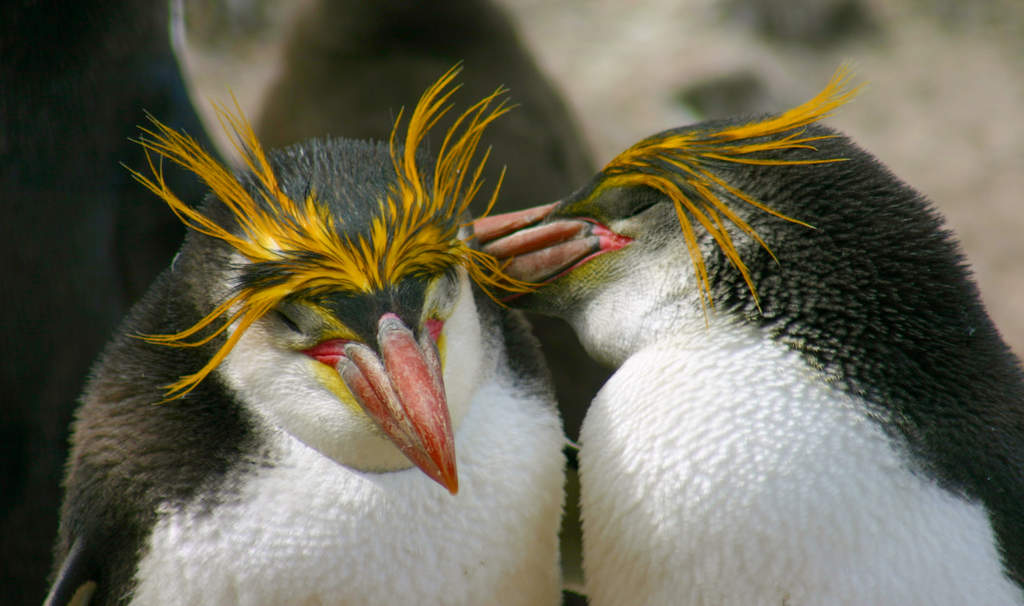
One of the researchers to benefit this year is Paige Green who is conducting vital research into the foraging ecology of crested penguins in the Southern Ocean.
“COVID has significantly impacted the research of many PhD students, including mine,” says Paige.
“For my PhD project, I am investigating the winter foraging ecology of Eudyptes penguins, a genus of Subantarctic penguins. One species in particular within this genus that we aim to glean more information on is the Erect-crested penguin, which is classified as Endangered and only breeds on two island groups in the Subantarctic (Antipodes and at the Bounty Islands). A complete lack of knowledge on where these birds go to forage means we don’t know what threats they face or how competition for food between the species, fisheries interactions and/or climate change play a role in their population declines. My project had the logistics and funding in place to track this species of penguin for the first time.”
“We had aimed to track populations from both islands but unfortunately travel restrictions due to COVID-19 significantly impacted the project. However, I have been incredibly fortunate to have amazing support and even though we didn’t collect data on both colonies, we were able to continue research and track penguins from Antipodes. No easy feat considering logistics of field work in the Southern Ocean during COVID-19! We received this data this year and I’m currently analysing it. My aim is to have my PhD completed by early 2023.”
“Due to climate change, extreme weather events and extensive fishing, the Southern Ocean is one of the most rapidly changing environments on the planet. It’s therefore important we gather as much information as we can so that we can inform management and conservation in a changing world,” adds Paige.
ASF’s supporters have enabled over $80,000 in grants to support eighteen Antarctic Science PhD students across Australia who are dealing with COVID induced financial stress.
CEO Antarctic Science Foundation, Andrew Kelly, said the grants are awarded to researchers who have demonstrated hardship, academic excellence and whose work is building our understanding of Antarctica.
“The COVID-19 pandemic has crippled the Australian university sector, and PhD students in particular found themselves in a difficult financial position through no fault of their own. That’s why the ASF took the decision to step in and support the scholars authoring the next crucial chapters of our knowledge in Antarctic science.”
“Antarctica is humanity’s greatest library, but we’ve only read a few of its books. When looking toward our future, a vital guide can be found in our Antarctic past. Early-career researchers like Paige are helping us unlock valuable solutions to wildlife conservation, climate crisis and other critical issues facing our planet” said Andrew.
“Supporters of the Antarctic Science Foundation find purpose when they arm scientists with the resources needed to understand how changes in Antarctica affect our planet and all species. ASF supporters understand that deciphering the secrets of Antarctica starts with support of this next generation of Australian scientific talent.”
The ASF funds people and projects to do great science. The catalytic outcomes of this work address three key concerns:
- the conservation of vulnerable Antarctic wildlife.
- understanding the health of the Southern Ocean to drive sustainability and food security.
- analysing Antarctica to predict global climate events accurately.
Featured image above courtesy Kerry Steinberner / ASF.