
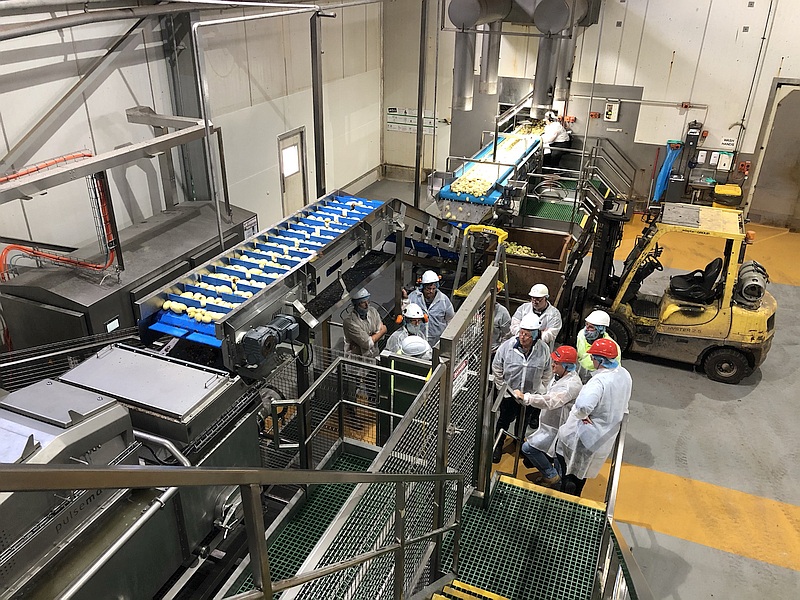
A world-leading technology in the form of a Pulsed Electric Field (PEF) generator is helping to save large amounts of water at a Smithton potato processing plant.
McCain Foods has installed its proprietary system as part of the company’s latest upgrade to its Smithton plant.
The company says the PEF generator is another example of their commitment to producing more with less. The the $1.8 million upgrade to the facility, which incorporates the proprietary technology, results in potatoes being pulsed with an electric field rather than steamed, slashing the plant’s energy and water usage.
The plant has reduced water usage this year by more than 100,000 litres per day, and the PEF system will also save the plant approximately 276 tonnes of carbon each year, and around 33,000 gigajoules of energy due to the increased efficiency and reduced wastage.
Traditionally the plant used steam – generated primarily by burning wood – in the pre-treatment process, which is no longer required. In addition, the electric field that is pulsed through uncut potatoes results in less oil being absorbed when the potatoes are cooked.
The new system is also physically smaller than the old pre-heaters, saving space within the plant and creating a brighter, more spacious work environment.
Smithton operates 24 hours, seven days a week to process potatoes into a range of frozen chip products for Australian consumers.
McCain Foods Smithton Plant Manager, Gordon Gillies, said adopting this new technology was fundamental to the company’s growth strategy, and is an important step in reducing the company’s environmental footprint and continuing to improve its sustainable practices.
“We’re really excited to implement this cutting-edge technology at Smithton, due to the working capabilities and environmental benefits it incorporates.”
“This was an opportunity to set new benchmarks in our industry as we continue to focus on becoming even more environmentally responsible,” Gillies said. The plant upgrade will do its part in contributing to the company’s global commitment to reducing CO2 emissions from their plants by 50 per cent by 2030.
The propriety technology was deployed at a sister Timaru plant in New Zealand late last year as a region-first, and now Smithton after significant success in New Zealand. Smithton halted production on January 26 this year to install the PEF generator, before resuming on February 25 and returning to full production.