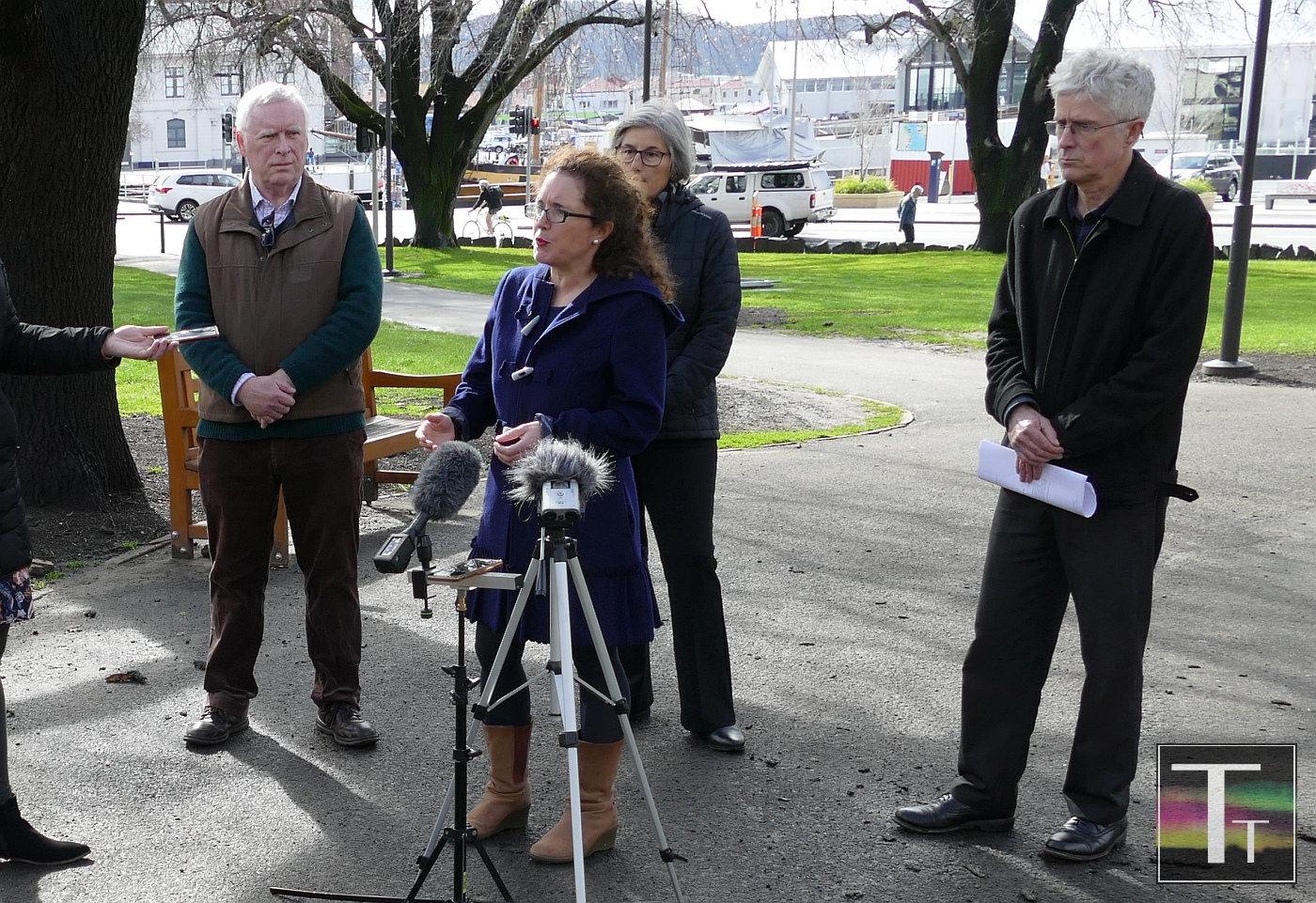
Sophie Underwood, PMAT; Peter McGlone, Tasmanian Conservation Trust; Anne Held, East Coast Alliance; Brian Corr, Hobart Not Highrise; and Rosalie Woodruff, Tasmanian Greens, speak to media today in Hobart.
Community groups have upped the ante on the state government’s Major Projects Bill, saying the draft should be made available as soon as possible to enable proper scrutiny.
“We’re calling on the minister to release a copy of the Bill today to give us more time to look at the final Bill before it’s debated,” said Sophie Underwood, State Coordinator of the Planning Matters Alliance of Tasmania. “We’d also like the tabling of the Bill postponed so it gives longer for the community to have a look at it.”
She said the Bill had “significant and far-reaching consequences” for Tasmanians. One of the big concerns of her organisation is that there are no appeal rights.
“If a developer puts in a proposal to build a 200 metre building in Hobart, we can’t raise the fact that height is an issue,” Underwood said. “The scope of the bill is really broad, almost any project could be brought into this. From subdivisions to cable cars, to projects like Cambria Green, projects in parks and reserves like Lake Malbena…the scope of what can be brought in is a big concern.”
Her characterisation was that the Bill put developers’ priorities ahead of communities. The government has also never really explained, she noted, why the existing processes for major projects were inadequate.
Other speakers at the media event on Parliament lawns today rather various points of concern around the legislation.
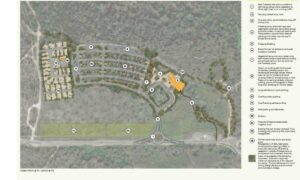
Peter McGlone, Director of the Tasmanian Conservation Trust, said he was worried that the Bill was being used as a workaround for the stalled Cambria Green development proposed for the east coast.
“The Minister keeps using sneaky language, avoiding answering the question, talking about the planning scheme amendment rather than it being a development. They’ve had a refusal, they’re in the Supreme Court…if the Major Projects Law was in place it would solve all of Cambria Green’s problems.”
He said the TCT had written to the Premier Peter Gutwein and the Minister for Planning Roger Jaensch, asking if the proponent of Cambria Green had met or communicated with them and sought assistance with the development.
“Suddenly, four weeks after the Supreme Court case, they bring the Major Projects legislation back out. I don’t think that’s a coincidence,” McGlone said.
“The rules now have become cheaper faster and easier…that’s completely unfair and undemocratic,” said Anne Held, President of the East Coast Alliance. She described Cambria Green as ‘overscaled’ and also unnecessary in the current climate as it was a tourism-based project.
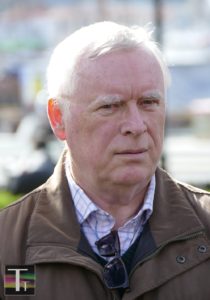
Brian Corr, Hobart Not Highrise.
Brian Corr, President of Hobart Not Highrise, said that although the minister claimed that the Bill was not a Trojan horse for high-rise buildings, that was not borne out by the wording of the first draft of the Bill. “Fourteen thousand electors voted to maintain the heritage and heights and streetscapes and street views of Hobart,” he said. “Keep Hobart beautiful as it is, and a really nice city to live in.”
Greens Planning spokesperson Rosalie Woodruff said the Labor Party had a key role to play in shaping the Major Projects legislation.
“Labor has a choice when Parliament returns this week – will they back developers and the erosion of our democracy, or will they stand with communities and their right to have a say?” she asked.
She described Tasmanians as ‘passionate defenders’ of the places that are important to them. “Communities having a say has always been, and should remain, central to planning laws,” she said.
“The Liberals’ major projects legislation is an attack on democracy. It removes accountability from the existing planning scheme mechanisms, gives decision making power to a hand-picked panel, and weakens third party rights of appeal.
“Combined with Tasmania’s weak donations laws, the developer-driven major projects legislation is a recipe for corruption. It has been written to give corporate mates more power, and communities less.”