zzSPECIALPOSTzz
Everyday Ways to Help Your Child Grow and Thrive

Advertisement / Sponsored Content
This content is paid advertising and has been prepared in collaboration with the advertiser.
This post remains active as a legacy issue and is being phased out from January 2026.
Tasmanian Times no longer accepts requests for paid content or advertorials.
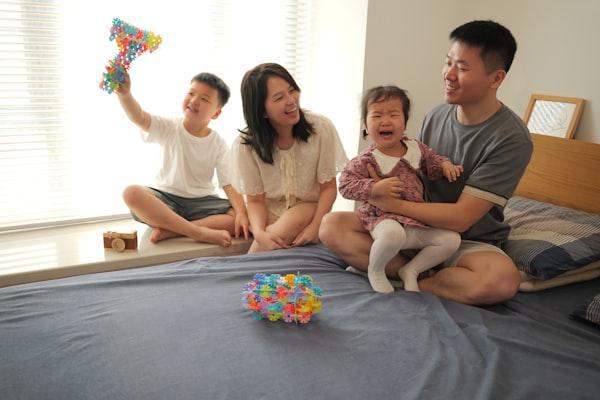

You do not need fancy programs or expensive gear to give your child a strong start. Small, repeatable habits at home and in your community add up to real gains in learning, health and confidence. Busy families can shift their days with just a few minutes of focused connection.
Start with small changes to movement, talking, reading, sleep, food, nature time and tech use that fit your real life tonight.
The Core Habits That Do the Heavy Lifting
Five everyday habits do most of the work for your child’s healthy growth: responsive conversations, daily movement, predictable routines, nutritious food and safe connections.
Responsive Back-and-Forth Follow your child’s lead, get face-to-face and take turns. This builds language, attention and emotional security. Use mealtimes and car rides to name what you both notice and feel.
Daily Movement For ages three to five, aim for at least 180 minutes of activity a day with 60 minutes of energetic play. Children aged five to seventeen need at least 60 minutes daily. Limit recreational screen time to a maximum of two hours for older kids to protect time for play and sleep.
Predictable Routines and Sleep Consistent routines reduce conflict and improve cooperation by making expectations clear. Nightly sleep targets are 10 to 13 hours for three to five year olds, 9 to 11 hours for five to thirteen year olds and 8 to 10 hours for teenagers.
Nutritious Food Offer age-appropriate serves across fruit, vegetables, grains, dairy and proteins. Keep water the default drink and include whole grains and protein for steady energy.
Safe Connections Online and Offline Use a written family tech agreement to set simple device rules and revisit as children grow. Australia’s Social Media Minimum Age law prohibits under 16s from accounts on specified platforms from December 2025.
Make Conversations Brain-Building
Every responsive back and forth you share, even during chores, strengthens your child’s brain for later learning.
Get at eye level, wait for your child’s cue, mirror their sounds or actions, then add a word or two. Pause so they can take a turn because even a look, point or sound counts as their contribution.
During a nappy change, narrate what you do and what they notice. On a walk, describe what you see together. Bilingual families should use their home language proudly because it builds strong foundations for vocabulary and identity.
When to Seek Extra Help Early


Act early if worries about speech, movement, behaviour, play or attention persist. By 18 months, eye contact, gestures and response to name should be emerging.
Book a child health check and share specific examples of your concerns. Talk to your child’s educator about what they notice at care or school and ask for adjustments you can trial. See your GP for referrals to allied health professionals if needed and keep notes on what helps.
If you are concerned about your child’s progress and want a family-centred start, Solongo offers practical early childhood intervention pathways and can help you navigate the next steps.
Move Every Day
Daily movement is essential for physical and mental growth. Children with disabilities benefit from the same goals with simple adjustments.
By Age: What Good Looks Like Infants need daily tummy time and floor play. Ages one to five require lots of active play spread across the day. Ages five to seventeen need at least 60 minutes of moderate activity.
Make It Doable Try five minute play bursts before school, a park circuit after dinner or a hallway scavenger chase on rainy days. Use what you have at home like laundry basket obstacle courses or cushion stepping stones.
Movement and Balance Micro-Skills Short supervised scooter, bike and rolling play challenges the inner balance system and builds core strength and coordination in just a few minutes.
Safety Checklist Helmet fit means a two-finger gap above eyebrows with snug straps in a V under each ear. Use closed-toe shoes and practice stop-start in traffic-free areas. Swap the leading foot every few minutes to develop symmetry.
For wheels-mad kids aged five to twelve, a properly sized scooter plus a helmet can build balance and confidence on short neighbourhood rides. Compare options at RideOns to find capped-speed models with reliable brakes, sturdy decks and stable tyres under Kids Electric Scooter.
Read, Rhyme and Sing Daily
Daily shared reading, rhymes and songs build vocabulary, attention and a love of books from birth. Keep a book basket where you wait, such as by the kettle or in the car. Check your local library for free story sessions and baby book packs.
Sleep and Routines That Stick
Consistent bed and wake times, a dinner-bath-book-bed routine and dim, screen-free evenings help children fall asleep and stay asleep.
For morning meltdowns, pack bags and set clothes the night before. Use two clear choices to reduce friction and validate feelings first before guiding to the next step.
Food That Fuels Learning
Start lunchboxes with vegetables, then add fruit, wholegrains, protein and a filled water bottle so kids arrive ready to learn.
Budget-friendly swaps include tinned beans and corn, frozen mixed veg and seasonal fruit. Plain oats with yoghurt and fruit make a cheap, filling breakfast.
Nature Time Every Week
Regular nature play boosts physical activity, motor skills, attention and emotional regulation. Try a leaf find-and-sort on the school run, a backyard bird count or building a stick bridge at a local creek. Set clear boundaries and demonstrate safe tool use while saying yes to manageable challenges.
Conclusion
You do not need to be perfect. Small daily actions make the biggest difference over time. Keep leaning on local services, act early if a worry sticks around and share what works with other families so good habits feel easy.
Advertisement / Sponsored Content — This content is a paid advertorial published in consideration of payment or other commercial benefit. The views, claims, statements, offers and representations are those of the advertiser and do not necessarily reflect the views of the publisher, which does not endorse or verify them. This material is provided for general promotional information only and does not constitute legal, financial, medical, investment or other professional advice; readers should make their own enquiries and seek professional advice before acting. Claims, testimonials and performance statements have not been independently verified unless stated. Offers and availability are subject to change and additional terms. This advertorial may contain links to third-party websites and the publisher may receive commissions or other benefits from reader engagement; the publisher is not responsible for third-party content or fulfilment. To the maximum extent permitted by Australian law, the publisher disclaims liability for reliance on this content, and nothing limits rights that cannot be excluded under the Australian Consumer Law. Where applicable, this advertorial is authorised by the advertiser and does not constitute independent editorial content.