zzSPECIALPOSTzz
Will a High GSP Influence Holiday Shopping in Australia?

Advertisement / Sponsored Content
This content is paid advertising and has been prepared in collaboration with the advertiser.
This post remains active as a legacy issue and is being phased out from January 2026.
Tasmanian Times no longer accepts requests for paid content or advertorials.
The current Gross State Product data in Australia indicates that the country continues to experience economic growth, at least on paper, in several of its states. As Australia enters the Christmas and summer season of spending, the big question that lingers is whether it will experience increased consumer spending to signal a confident Christmas period.
In fact, economic health is more closely assessed by many Aussies across the weights of wages, living costs and job security, quite apart from the totals of production. This disparity between economic indicators and real life could very well be the reason why better GSP outcomes do not necessarily transfer into fuller malls and more holiday expenditure.
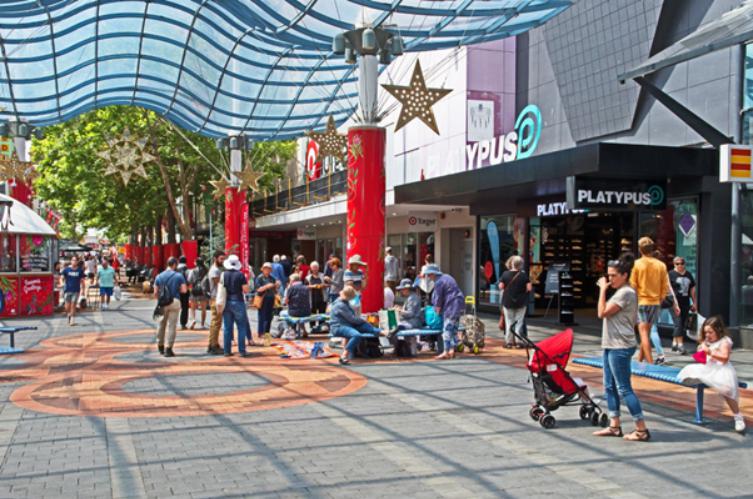

What Gross Domestic Product Actually Measures
Gross State Product vs Gross State Product values the overall production of goods and services in a state or territory. The data, when summed nationally, can be used to help form a picture of the economic activity in Australia. Every state’s data is first calculated separately.
However, GSP does not reveal income distribution, or if the income is rising with inflation, or how much income remains for households after spending on essentials. Growth does not necessarily mean that benefits will favour some industries or geographical areas, while other households experience no change or little change for that matter.
Why GSP Growth Does Not Equal Household Prosperity
The purchasing power that households have is determined by the wage rates, number of hours worked and living costs and not the volume of output. In the case of Australia, the growth in wage rates has remained uneven despite the pressures from the costs of housing, energy and groceries.
Therefore, a higher GSP number can co-exist with a cautious financial attitude, especially in the rent category, young families, or lower- to middle-income working families. This paradox becomes most apparent during a discretionary period, such as the Christmas season, where a family has the choice of spending, saving, or reducing their practices.
Australia’s Economic Structure and Disparities in Growth
The Australian economy is considered diverse. However, it should be noted that growth is not uniform. Employment in the public sector, natural resources, construction activities, tourism and infrastructure development are sectors in which improved GSP performance in specific states can be witnessed without leading to overall wage growth.
Major infrastructure development initiatives as well as the exports of commodities contribute substantially to economic growth, although the gains could accentuate in the interests of particular sectors or investors as opposed to affecting consumers. It can explain why economic indicators do not align with actual financial experience.
Cost of Living Pressures Shaping Festive Budgets
Housing costs, prices and transport remain pressing concerns for Australian households. Metropolitan cities continue to have affordability problems, while the cost of essentials remains high in regional and remote centres due to the factor of location.
In the season of holidays, these forces tend to crowd out the expenditure. This may occur even when the economic statistics look positive, and the individual decides on important spends, travel and economic buffers over consumption.
Tourism as a Spending Force Versus Local Consumption
Summer tourism is an important part of the retail and catering sector in Australia. Spending by tourists can boost turn-over figures in those areas and create an impression of a strong seasonal economy.
Nonetheless, tourism-related expenditure can make up for more conservative spending patterns on the part of residents. On the one hand, tourist expenditures will be critical in making up the retail figure. On the other hand, residents will still exhibit conservative spending.
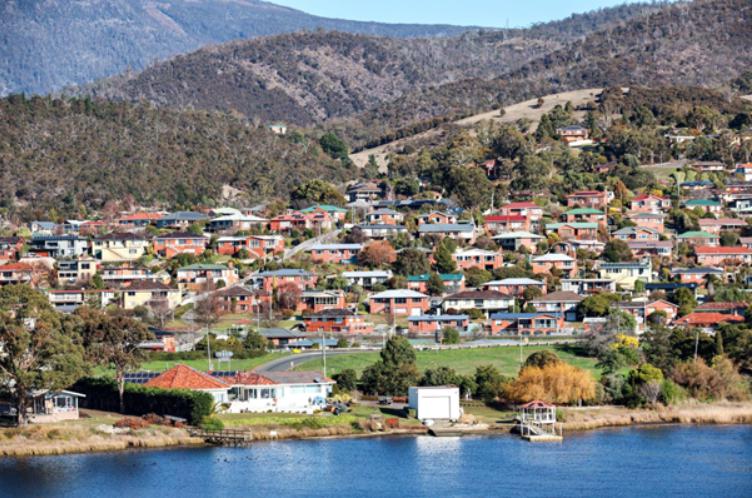

Regional Variations in Australia
Economic conditions and expenditure behaviour do differ substantially from state to state. Parts of the country that experience tourism booms, investments in infrastructure and favourable commodity prices would experience immediate gains in employment and income.
Other regions may find their income more erratic, especially where there is season work or agriculture. Other people may find themselves in less active holiday seasons due to various reasons.
Consumer Confidence as the Missing Link
Consumer confidence is where the retailers are more likely to follow consumer sentiment than headline rates of growth. Confidence relates to how Australians perceive jobs and costs into the future.
Over the years, confidence has been cautious on occasions despite the economic expansion and this is in line with the reality on the ground rather than the macroeconomic statistics. Experts who follow the trends utilise platforms such as the TradingView platform in order to gauge the related indicators and the economic indicators, thereby illustrating the change in confidence even before the impact on expenditure can be felt on the ground.
What It All Means to the Holiday Season
While the figures for GSP are a positive indication that the Australian economy is still producing activity, they do not provide any comfort regarding the current household expenditures.
When it comes to the festive season for the coming year, expenditure is expected to be selective and value-based. Tourism will remain an influence on the retail and hospitality sector in key areas, whereas many will go into the festive season with caution rather than confidence.
Australia Holiday Shopping Trends And Tips
The GSP growth story told by Australia is important but not the whole story. It indicates economic activity and investment but does not reflect the challenges faced by ordinary people in making actual spending decisions.
As the country begins the approach to the holiday period, wages, price dynamics and attitudes to job security will carry far greater significance in influencing household spending behaviour than any individual economic indicator. Such an appreciation of the difference between the two will in many ways explain why, despite positive economic indicators, Australian households do not experience an easy or generous holiday period.
Advertisement / Sponsored Content — This content is a paid advertorial published in consideration of payment or other commercial benefit. The views, claims, statements, offers and representations are those of the advertiser and do not necessarily reflect the views of the publisher, which does not endorse or verify them. This material is provided for general promotional information only and does not constitute legal, financial, medical, investment or other professional advice; readers should make their own enquiries and seek professional advice before acting. Claims, testimonials and performance statements have not been independently verified unless stated. Offers and availability are subject to change and additional terms. This advertorial may contain links to third-party websites and the publisher may receive commissions or other benefits from reader engagement; the publisher is not responsible for third-party content or fulfilment. To the maximum extent permitted by Australian law, the publisher disclaims liability for reliance on this content, and nothing limits rights that cannot be excluded under the Australian Consumer Law. Where applicable, this advertorial is authorised by the advertiser and does not constitute independent editorial content.