zzSPECIALPOSTzz
Creating a Flexible and Secure Home – What Every Household Needs

Advertisement / Sponsored Content
This content is paid advertising and has been prepared in collaboration with the advertiser.
This post remains active as a legacy issue and is being phased out from January 2026.
Tasmanian Times no longer accepts requests for paid content or advertorials.


Modern households face unique challenges that previous generations never encountered. From remote work arrangements to rising concerns about property safety, homeowners and renters alike are rethinking how their living spaces function. The good news is that creating a home that adapts to your lifestyle while keeping your family protected has never been more achievable.
The Rise of Flexible Living Spaces
The way we use our homes has fundamentally changed over the past few years. A single room might serve as a home office in the morning, a classroom for children in the afternoon, and an entertainment hub in the evening. This shift has created demand for furniture and technology that can move and adapt as needed.
Flexibility in home design is no longer a luxury but a necessity. According to recent surveys, over 60% of homeowners say they need their living spaces to serve multiple purposes throughout the day. This has sparked a revolution in how people approach interior design and furniture selection.
Adaptable Furniture for Multi-Purpose Rooms
One of the simplest ways to create a flexible living environment is through movable furniture. Fixed installations limit how you can use a room, while portable options give you the freedom to reconfigure spaces in minutes. This is especially valuable in smaller homes or apartments where every square metre counts.
Entertainment setups are a prime example of this trend. A mobile TV stand on wheels allows you to reposition your screen depending on the activity. You can wheel it into the living room for family movie night, move it to the bedroom when someone is unwell or relocate it to a home office for video conferences.
The benefits extend beyond convenience. Movable furniture reduces the need for multiple screens in different rooms, saving money and reducing electronic clutter. It also makes cleaning easier and allows you to refresh your room layout without purchasing new items.
Why Home Security Matters More Than Ever
While flexibility addresses how we live inside our homes, security ensures we can enjoy that lifestyle with peace of mind. Property crime remains a significant concern for households across Australia. Police data shows that a break-in occurs approximately every two minutes, making home security a priority for families everywhere.
Beyond theft, modern security concerns include package theft from doorsteps, monitoring elderly family members, and keeping an eye on children playing outside. These needs have driven innovation in home security technology, making professional-grade protection accessible to average households.
Smart Security Solutions for Every Budget
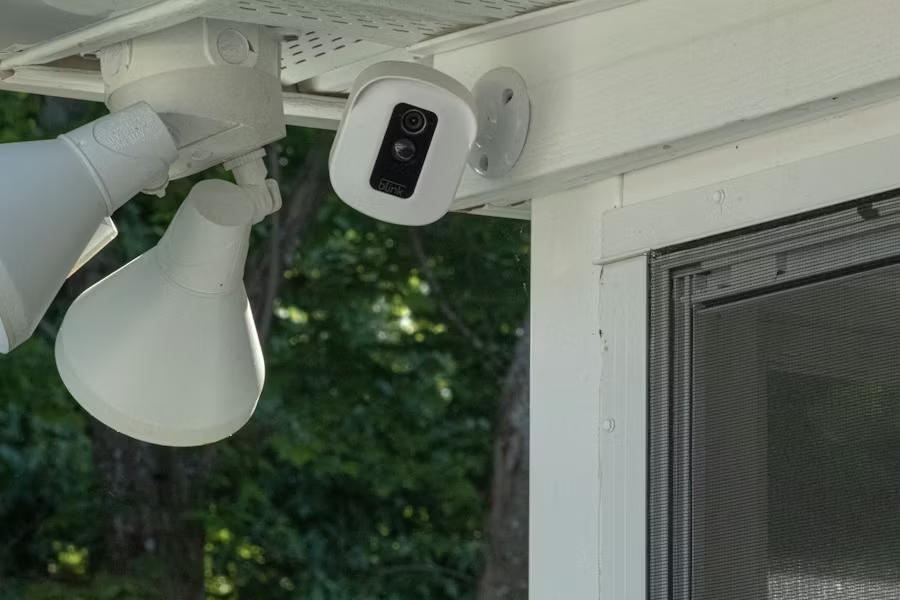

The security industry has evolved dramatically in recent years. What once required expensive professional installation and monthly monitoring fees can now be set up by homeowners themselves. Wireless technology and smartphone integration have made DIY security systems both effective and affordable.
A quality security camera for home use serves as the foundation of any modern security setup. Today’s cameras offer features like high-definition video, night vision, motion detection and two-way audio. Many connect directly to your smartphone, allowing you to monitor your property from anywhere in the world.
When choosing security cameras, consider factors like weather resistance for outdoor units, storage options for recorded footage and compatibility with other smart home devices. Some systems offer cloud storage while others use local memory cards, each with their own advantages for privacy and accessibility.
Integrating Flexibility and Security
The most effective homes combine adaptable living spaces with robust security measures. These two concepts complement each other in surprising ways. For instance, security cameras can help you monitor different areas of your home, making it easier to keep an eye on children while you work in another room.
Smart home integration takes this further by connecting your security system with lighting, locks, and other devices. You can create routines that simulate occupancy when you are away or receive alerts when unexpected motion is detected. This level of automation was once reserved for luxury properties but is now available to mainstream consumers.
Practical Tips for Getting Started
Transforming your home does not require a complete renovation or massive budget. Start by identifying which rooms serve multiple purposes and which could benefit from more flexibility. Small changes like adding wheels to heavy furniture or investing in modular storage can make a significant difference.
For security, begin with the most vulnerable entry points. Front doors, back doors and ground-floor windows are the most common targets for intruders. A single well-placed camera covering your main entrance provides valuable protection and can deter opportunistic criminals.
Consider your household’s specific needs when planning upgrades. Families with young children might prioritise indoor cameras and flexible play spaces. Those who travel frequently may focus on comprehensive outdoor surveillance and smart locks. Renters should look for portable solutions that can move with them to their next home.
The Cost of Inaction
Delaying home improvements often costs more in the long run. Inflexible spaces lead to frustration, reduced productivity and unnecessary purchases of duplicate items. Poor security can result in devastating losses, both financial and emotional, if a break-in occurs.
Insurance companies increasingly offer discounts for homes with security systems installed. This can offset some of the initial investment while providing ongoing savings. The peace of mind that comes with knowing your home and family are protected is difficult to quantify but invaluable to those who experience it.
Future-Proofing Your Home
Technology continues to advance rapidly, but the core principles of flexibility and security remain constant. When making purchases, choose products that can integrate with future systems and adapt to changing needs. Avoid proprietary solutions that lock you into a single ecosystem.
Investing in quality over quantity ensures your upgrades remain functional for years to come. A well-built mobile furniture piece or reliable security camera will outlast cheaper alternatives many times over. Read reviews, compare specifications and choose products backed by solid warranties.
Conclusion
Creating a home that is both flexible and secure requires thoughtful planning but delivers lasting benefits. By choosing adaptable furniture and implementing smart security measures, you can build a living environment that supports your lifestyle today and evolves with your needs tomorrow. Start with small changes, prioritise the areas that matter most to your household and gradually build toward your ideal home. The investment you make now will pay dividends in comfort, convenience and peace of mind for years to come.
Advertisement / Sponsored Content — This content is a paid advertorial published in consideration of payment or other commercial benefit. The views, claims, statements, offers and representations are those of the advertiser and do not necessarily reflect the views of the publisher, which does not endorse or verify them. This material is provided for general promotional information only and does not constitute legal, financial, medical, investment or other professional advice; readers should make their own enquiries and seek professional advice before acting. Claims, testimonials and performance statements have not been independently verified unless stated. Offers and availability are subject to change and additional terms. This advertorial may contain links to third-party websites and the publisher may receive commissions or other benefits from reader engagement; the publisher is not responsible for third-party content or fulfilment. To the maximum extent permitted by Australian law, the publisher disclaims liability for reliance on this content, and nothing limits rights that cannot be excluded under the Australian Consumer Law. Where applicable, this advertorial is authorised by the advertiser and does not constitute independent editorial content.