zzSPECIALPOSTzz
Affordable Home Removal of Skin Tags Solutions

Advertisement / Sponsored Content
This content is paid advertising and has been prepared in collaboration with the advertiser.
This post remains active as a legacy issue and is being phased out from January 2026.
Tasmanian Times no longer accepts requests for paid content or advertorials.
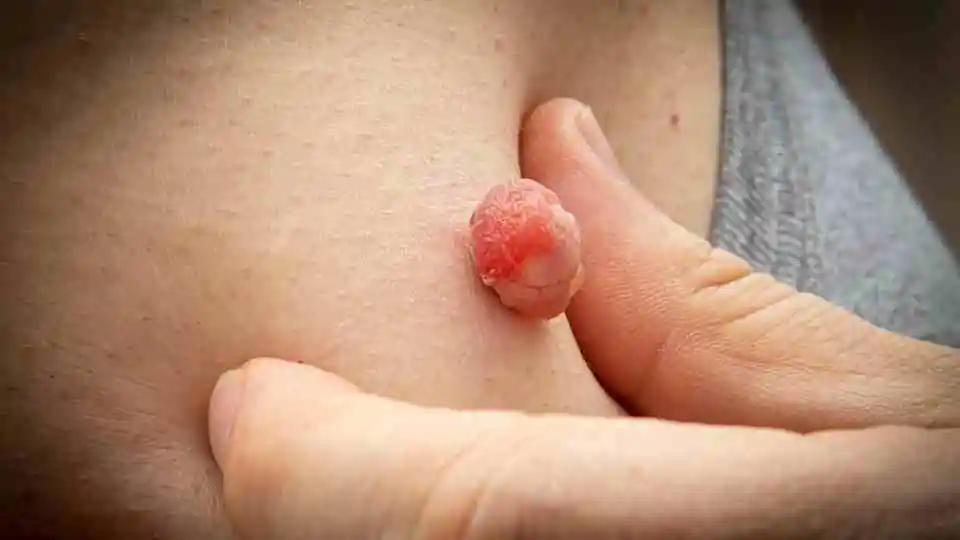

Skin tags may be harmless, but they’re definitely not something most people enjoy seeing in the mirror. Whether it’s one that snags on your clothing or simply one that makes you feel a little self-conscious, the desire to remove it is completely understandable. But heading straight to a dermatologist can be costly—and often unnecessary for mild, uncomplicated skin tags. The good news? There are several affordable, effective home methods worth trying before spending hundreds on clinical procedures. With the right approach, you can care for your skin gently and budget-consciously.
1. Natural Oils: A Gentle and Cost-Effective Option
One of the most popular and affordable methods for of skin tags solutions is using plant-based oils. These oils work gradually by softening the tissue around the tag, allowing it to shrink and eventually fall off naturally. Unlike freezing or cutting methods, oils don’t shock the skin—instead, they nourish it while subtly encouraging the tag to loosen. This gentle approach is ideal for people with sensitive or easily irritated skin.
Many natural-health enthusiasts rely on oils like tea tree, castor and vitamin E because they offer more than just tag removal; they support overall skin wellness. When applied consistently over several days or weeks, these oils may help home removal of skin tags while keeping the surrounding area soft and moisturised. The simplicity of this method—just a cotton swab and a few drops of oil—makes it one of the most accessible home solutions available.
2. Apple Cider Vinegar: A Popular DIY Method
Apple cider vinegar continues to be a favourite among those exploring home removal of skin tags inspired remedies. This household staple is known for its acidity, which helps break down the tissue of the skin tag gradually. It’s a budget-friendly solution that many people already have in their kitchen cabinet, making it an easy first step for at-home care. Just be sure to introduce it slowly if you have sensitive skin, as its strong acidity can cause mild irritation.
To use apple cider vinegar effectively, soak a small cotton ball and secure it to the skin tag for about 20 to 30 minutes daily. Over time, the tag may darken and eventually detach. Consistency is key—this isn’t an overnight solution. Still, it remains a highly accessible, wallet-friendly method that people turn to before considering more expensive treatment options. Always monitor your skin for discomfort and take breaks if needed.
3. Baking Soda and Castor Oil: An Old-Fashioned Yet Effective Paste
For those who enjoy making their own skin remedies, baking soda and castor oil form an affordable and easy-to-use paste. This combination is frequently recommended in discussions about removal because it offers both exfoliation (from the baking soda) and deep miniaturisation (from the castor oil). It’s a method that many families have passed down through generations as a gentle way to deal with small skin concerns.
To try it yourself, mix one part baking soda with two parts castor oil until you create a smooth paste. Apply it to the Healing Oils skin tag once or twice daily, covering it with a small bandage to keep it in place. Over time, the tag may shrink as the mixture helps break down the tissue. While this method can be a bit messier than others, it’s incredibly budget-friendly and uses ingredients most people already have available at home.
4. Over-the-Counter Natural Oil Blends
If you prefer something pre-made, there are many over-the-counter products formulated with ingredients inspired by home removal of skin tags. These blends typically combine plant-based oils known for their drying and soothing properties. Users often appreciate the convenience—no mixing, measuring or mess. Just a few daily applications can support gradual tag removal without harsh chemicals or surgical intervention.
These ready-made blends also tend to include oils that promote overall skin health, such as frankincense, chamomile or calendula. This makes them a smart option for individuals who want something effective yet gentle. As with any home remedy, consistency is what drives results. Many people find that these blends offer a nice balance between natural DIY solutions and the structure of a professionally formulated product.
5. When to Seek Professional Help Instead
While most skin tags respond well to home care, there are times when a dermatologist’s expertise is necessary. If a skin tag becomes painful, bleeds, changes colour or grows rapidly, avoid Healing Oils methods and seek medical advice. Dermatologists can quickly determine whether the growth is a simple skin tag or something that requires closer evaluation. It’s always better to err on the side of caution when something looks unusual.
That said, most everyday skin tags are harmless and suitable for home treatment. Oils, natural acids, and gentle exfoliating pastes can all serve as affordable alternatives that work for many people. The key is knowing when home care is appropriate and when a professional’s opinion is needed. With the right balance, you can save money while still taking excellent care of your skin.
Conclusion
Affordable home solutions for skin tag removal offer a practical and gentle alternative to costly procedures. From natural oils to simple pantry staples, these methods are accessible, budget-friendly and easy to integrate into your daily routine. While they may take time and consistency, many people find them effective and empowering. If anything looks unusual or doesn’t improve, a dermatologist is always the best resource—but for ordinary skin tags, home care can be a safe and effective first step.
Advertisement / Sponsored Content — This content is a paid advertorial published in consideration of payment or other commercial benefit. The views, claims, statements, offers and representations are those of the advertiser and do not necessarily reflect the views of the publisher, which does not endorse or verify them. This material is provided for general promotional information only and does not constitute legal, financial, medical, investment or other professional advice; readers should make their own enquiries and seek professional advice before acting. Claims, testimonials and performance statements have not been independently verified unless stated. Offers and availability are subject to change and additional terms. This advertorial may contain links to third-party websites and the publisher may receive commissions or other benefits from reader engagement; the publisher is not responsible for third-party content or fulfilment. To the maximum extent permitted by Australian law, the publisher disclaims liability for reliance on this content, and nothing limits rights that cannot be excluded under the Australian Consumer Law. Where applicable, this advertorial is authorised by the advertiser and does not constitute independent editorial content.