zzSPECIALPOSTzz
Why Oral Health Matters in Long-Term Healthcare Planning

Advertisement / Sponsored Content
This content is paid advertising and has been prepared in collaboration with the advertiser.
This post remains active as a legacy issue and is being phased out from January 2026.
Tasmanian Times no longer accepts requests for paid content or advertorials.
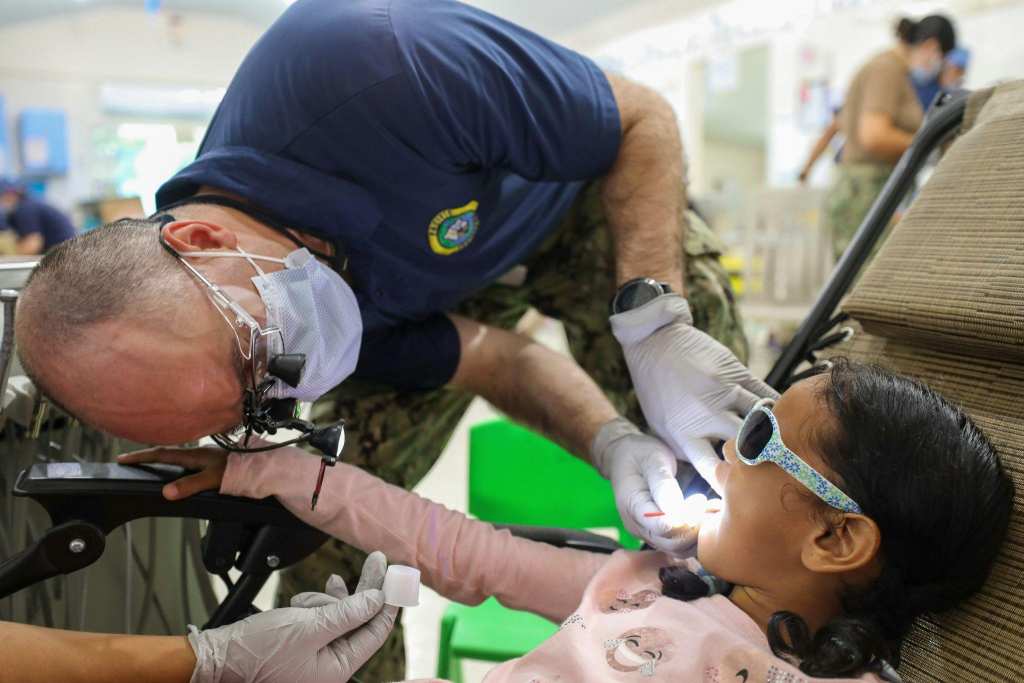

The healthcare landscape is undergoing a profound transformation. No longer viewed as isolated concerns, our teeth and gums have emerged as powerful indicators—and influencers—of our overall health trajectory. Modern medicine is finally acknowledging what holistic practitioners have long suspected: the mouth is not separate from the body; it’s a gateway to systemic wellness.
This shift from reactive treatment to preventive care has placed oral health squarely at the centre of long-term healthcare planning. What happens in your mouth doesn’t stay in your mouth. The bacteria thriving between your teeth can travel through your bloodstream, influencing everything from your heart to your brain. Dental care is no longer about vanity or avoiding the occasional toothache—it’s about investing in your quality of life decades down the road.
Consider this: adults today are living longer than any previous generation, yet many enter their senior years facing preventable oral health crises. The good news? By understanding how oral hygiene connects to chronic disease prevention, cognitive wellness and overall vitality, we can make smarter choices now that pay dividends later. Even seemingly cosmetic concerns, like orthodontic alignment, play crucial roles in long-term dental function—which is why options from FDC has affordable braces for students and adults have become essential components of comprehensive health planning across all life stages.
Oral Health as a Foundation of Overall Wellness
The Mouth-Body Connection
Your mouth hosts one of the most complex microbial ecosystems in your body. When oral bacteria multiply unchecked—due to poor hygiene, gum disease or untreated cavities—they don’t remain confined to your dental tissue. These microorganisms enter the bloodstream through inflamed gum tissue, travelling throughout your body and triggering chronic inflammation.
Key Medical Conditions Linked to Poor Oral Health
The list of conditions connected to oral health reads like a who’s who of serious medical concerns:
Heart Disease and Stroke: People with periodontal disease have nearly double the risk of coronary artery disease. Oral bacteria contribute to arterial plaque buildup, increasing stroke risk.
Diabetes Complications: This relationship runs both ways—diabetes makes gum disease more likely, while severe gum disease makes blood sugar harder to control, creating a dangerous feedback loop.
Respiratory Illness: Breathing in oral bacteria can lead to pneumonia and worsen chronic lung conditions, particularly dangerous for elderly adults or those with compromised immune systems.
Alzheimer’s and Cognitive Decline: Emerging studies reveal connections between chronic gum disease and increased dementia risk, with oral bacteria potentially reaching brain tissue and contributing to neurological inflammation.
Long-Term Healthcare Planning: Why Oral Care Can’t Be Ignored
When people draft their long-term healthcare plans, they typically focus on medical insurance, retirement savings and perhaps long-term care coverage. Dental health often gets relegated to an afterthought—a costly oversight with cascading consequences.
Preventive dental care represents one of the most cost-effective health investments you can make. Regular cleanings, timely cavity treatments and addressing minor issues before they escalate can save thousands of dollars in emergency procedures and medical complications. Dental neglect doesn’t just result in tooth loss; it increases hospital visits for systemic infections, complicates chronic disease management and diminishes quality of life.
Consider the financial realities:
-
Delaying treatment transforms a simple filling into a root canal, crown or extraction—multiplying costs by five to ten times
-
Emergency dental visits cost significantly more than routine preventive care
-
Systemic health complications from oral infections can result in hospital stays and expensive medical interventions
Planning for dental insurance coverage and establishing relationships with trusted dental professionals should begin early. Whether you’re accessing comprehensive care at centres like TWC Implant and Dental Center at Jurong or other quality providers, establishing a lifetime dental care strategy protects both your health and your financial well-being.
The Role of Orthodontics in Long-Term Oral Health
Straight teeth aren’t just about aesthetics—they’re about function and longevity. Misaligned teeth create uneven pressure distribution when chewing, leading to accelerated wear, jaw joint problems and increased cavity risk in hard-to-clean areas.
Modern orthodontic options have exploded beyond traditional metal brackets:
-
Clear aligners offer nearly invisible treatment for mild to moderate alignment issues
-
Ceramic braces blend with natural tooth colour while providing powerful correction
-
Lingual braces work from behind the teeth, completely hidden from view
The benefits of properly aligned teeth extend far beyond a confident smile:
-
Reduced long-term dental strain prevents premature wear and fractures
-
Easier cleaning between properly spaced teeth lowers decay and gum disease risk
-
Improved bite function reduces jaw joint stress and related headaches
-
Enhanced self-esteem provides psychological wellness benefits that ripple through all life areas
Financial Planning for Lifetime Dental Care
Dental Insurance & Coverage Options
Understanding dental coverage requires navigating a landscape quite different from medical insurance. Most dental plans operate on annual maximum benefits, typically covering:
-
Preventive care at 100%: cleanings, exams, X-rays
-
Basic procedures at 70-80%: fillings, simple extractions
-
Major procedures at 50%: crowns, bridges, dentures
The separation between medical and dental coverage often creates gaps in comprehensive health planning. Savvy planners recognise these distinctions and budget accordingly.
Oral Health & Quality of Life
The true measure of oral health’s importance isn’t found in statistics—it’s discovered in daily lived experiences.
Social confidence transforms when you’re not self-conscious about your smile or breath. Professional opportunities expand, relationships deepen and social interactions become sources of joy rather than anxiety.
Mental wellbeing connects intimately with oral health. Chronic dental pain contributes to depression and anxiety. Conversely, a healthy, functional smile supports positive self-image and emotional resilience.
For ageing adults, maintaining oral health:
-
Preserves dignity and independence
-
Allows continued social engagement in community settings
-
Supports proper nutrition when other health challenges emerge
-
Reduces the discomfort that can dominate daily life in assisted living situations
These quality-of-life factors remind us that comprehensive healthcare planning must address the whole person—and that absolutely includes oral health.
Conclusion
The evidence is overwhelming: oral health stands as a cornerstone of lifelong wellbeing, influencing everything from cardiovascular health to cognitive function, from financial security to daily quality of life. What begins with simple childhood cavity prevention evolves into a sophisticated, lifelong strategy encompassing routine care, orthodontic interventions and proactive planning for age-related challenges.
Advertisement / Sponsored Content — This content is a paid advertorial published in consideration of payment or other commercial benefit. The views, claims, statements, offers and representations are those of the advertiser and do not necessarily reflect the views of the publisher, which does not endorse or verify them. This material is provided for general promotional information only and does not constitute legal, financial, medical, investment or other professional advice; readers should make their own enquiries and seek professional advice before acting. Claims, testimonials and performance statements have not been independently verified unless stated. Offers and availability are subject to change and additional terms. This advertorial may contain links to third-party websites and the publisher may receive commissions or other benefits from reader engagement; the publisher is not responsible for third-party content or fulfilment. To the maximum extent permitted by Australian law, the publisher disclaims liability for reliance on this content, and nothing limits rights that cannot be excluded under the Australian Consumer Law. Where applicable, this advertorial is authorised by the advertiser and does not constitute independent editorial content.