zzSPECIALPOSTzz
Transforming Your Home for Modern Comfort and Lasting Value

Advertisement / Sponsored Content
This content is paid advertising and has been prepared in collaboration with the advertiser.
This post remains active as a legacy issue and is being phased out from January 2026.
Tasmanian Times no longer accepts requests for paid content or advertorials.

Home ownership has evolved dramatically over the past two decades. What once centred purely on shelter has shifted into something far more nuanced. Today’s homeowners view their properties as investments in lifestyle, well being and financial security. The pandemic accelerated this trend, with homes becoming multipurpose environments serving as offices, entertainment centres and sanctuaries.
This shift has prompted many Australians to reassess their living spaces critically, identifying areas that no longer serve their evolving needs. The result? A surge in thoughtful home improvements that go beyond superficial updates to address fundamental comfort, functionality, and efficiency. Yet not all renovations deliver equal returns. Understanding which improvements genuinely enhance your daily life while adding measurable value requires careful consideration.
The Kitchen Remains Central to Modern Living
Despite the rise of open-plan living, the kitchen maintains its position as the undisputed heart of the Australian home. It’s where families gather for more than just meals. Morning coffees, homework sessions, casual entertaining and remote work frequently happen in or around the kitchen. This central role means that outdated or poorly designed kitchens create ripple effects throughout the entire home.
The kitchen’s importance becomes particularly apparent when considering property value. Real estate professionals consistently report that kitchen quality significantly influences buyer perceptions and willingness to pay premium prices. A well-executed kitchen update can recoup a substantial portion of its cost upon resale, making it one of the smartest renovation investments available.
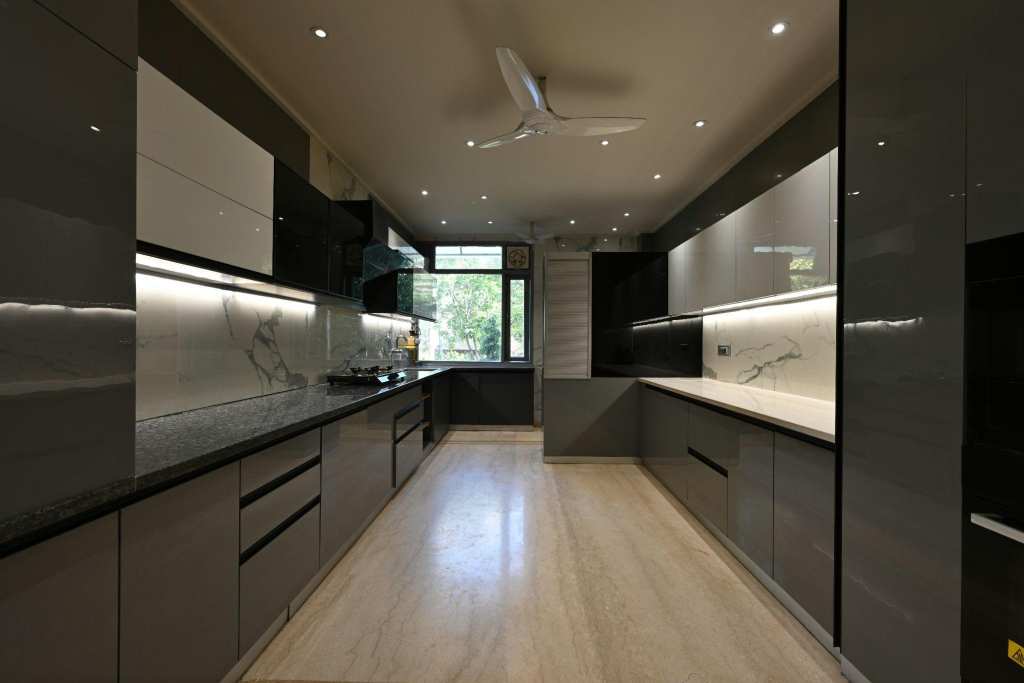
Modern kitchen design has moved beyond purely aesthetic considerations. Today’s best kitchens balance form and function, incorporating smart storage solutions, durable materials and layouts that facilitate both cooking and socialising Storage optimisation stands out as a critical element. Most Australian homes, particularly older properties, suffer from inadequate kitchen storage, leading to cluttered countertops and inefficient workflows. Strategic cabinetry design, including deep drawers and vertical storage, can dramatically increase usable space without expanding the kitchen’s footprint.
The choice of materials significantly impacts both longevity and ongoing satisfaction. While trendy finishes might appeal initially, they often date quickly or prove impractical for daily use. Professional guidance becomes invaluable here, helping homeowners navigate the vast array of options to select surfaces and finishes that align with their lifestyle and budget.
Specialists in kitchen renovations Melbourne understand how to balance aesthetic goals with practical requirements, creating spaces that look exceptional while standing up to the demands of family life.
Lighting deserves special attention too. Many older kitchens rely on a single overhead fixture, creating shadows and making food preparation unnecessarily difficult. Layered lighting approaches combining task, ambient and accent lighting transform both functionality and atmosphere. LED technology has made sophisticated lighting schemes more affordable and energy-efficient than ever.
Creating Year-Round Comfort Beyond Aesthetics
While visible improvements like kitchen renovations capture immediate attention, the less glamorous aspects of home comfort often deliver greater impact on daily quality of life. Thermal comfort, in particular, profoundly affects how we experience our homes, yet many Australian properties suffer from inadequate heating systems that leave rooms uncomfortable in winter.
Traditional heating solutions come with significant drawbacks. Ducted systems can be noisy and inefficient, creating hot spots and cold zones. Reverse-cycle air conditioning often circulates dust and allergens while creating dry, uncomfortable air. Space heaters consume significant electricity and pose safety concerns.
Hydronic heating represents one of the most significant advances in residential comfort systems. Unlike forced-air systems that heat air, hydronic systems heat water and circulate it through radiators or underfloor pipes, creating radiant warmth that feels natural and comfortable. This method offers several compelling advantages.
The warmth produced by hydronic systems closely mimics natural sunlight, heating objects and people directly rather than simply warming the air. This creates a more comfortable environment at lower overall temperatures, reducing energy consumption. The absence of forced air circulation means no dust or allergens being distributed throughout the home, a significant benefit for family members with respiratory sensitivities.
Energy efficiency stands as another major advantage. While installation costs exceed conventional options, ongoing operational costs are typically lower due to superior efficiency. The system’s thermal mass means it continues radiating warmth even after the heating source cycles off, providing consistent temperature without constant energy consumption.
Design flexibility gives hydronic systems particular appeal for renovation projects. Hydronic heater panels come in various styles, from traditional column radiators to sleek contemporary panels that function as design elements. Wall-mounted panels occupy minimal floor space, ideal for smaller rooms or areas where furniture placement is constrained. Underfloor systems provide invisible heating that leaves walls and floors completely unobstructed.
Zoning capabilities allow different areas of your home to maintain different temperatures based on actual usage patterns. Bedrooms can be kept cooler while living areas remain warm, or unused rooms can be set to minimal heating to conserve energy. This level of control was difficult with older heating systems but becomes straightforward with modern hydronic installations.
Planning Your Home Improvement Journey
Successful home renovations result from careful planning, realistic budgeting and clear priorities. Start by identifying genuine problem areas rather than chasing trends. What aspects create daily frustration? Where do you avoid spending time? Creating a prioritised list helps focus resources on improvements delivering the greatest impact.
Budget realism protects you from cost overruns and unfinished projects. Building a contingency buffer of 15-20% above estimated costs provides breathing room for unexpected challenges. Professional expertise delivers value that DIY approaches rarely match, particularly for complex projects involving plumbing, electrical work, or structural modifications.
Home improvement represents more than simply maintaining property. Done thoughtfully, it creates spaces that actively support your well being, reduce environmental impact and provide genuine enjoyment. Whether transforming your kitchen or upgrading to heating systems that provide superior comfort, each improvement contributes to a home that better serves your needs. Focus on changes that address real problems, incorporate quality materials and reflect timeless design principles. This approach ensures your renovated spaces remain relevant, functional and valuable for years to come.
Advertisement / Sponsored Content — This content is a paid advertorial published in consideration of payment or other commercial benefit. The views, claims, statements, offers and representations are those of the advertiser and do not necessarily reflect the views of the publisher, which does not endorse or verify them. This material is provided for general promotional information only and does not constitute legal, financial, medical, investment or other professional advice; readers should make their own enquiries and seek professional advice before acting. Claims, testimonials and performance statements have not been independently verified unless stated. Offers and availability are subject to change and additional terms. This advertorial may contain links to third-party websites and the publisher may receive commissions or other benefits from reader engagement; the publisher is not responsible for third-party content or fulfilment. To the maximum extent permitted by Australian law, the publisher disclaims liability for reliance on this content, and nothing limits rights that cannot be excluded under the Australian Consumer Law. Where applicable, this advertorial is authorised by the advertiser and does not constitute independent editorial content.