
Advertisement / Sponsored Content
This content is paid advertising and has been prepared in collaboration with the advertiser.
This post remains active as a legacy issue and is being phased out from January 2026.
Tasmanian Times no longer accepts requests for paid content or advertorials.
Key Takeaways
-
Exports reached A$6.16 billion in 2023–24, highlighting Tasmania’s export-led economic growth.
-
Major export sectors include processed metals and premium food, and services such as education and tourism.
-
China, South Korea, the United States, Vietnam and Malaysia are the most significant export markets.
-
The state is investing in port infrastructure, logistics and exporter education to enhance resilience and competitiveness.
-
Tasmania is targeting growth in advanced manufacturing, clean-energy technologies and Antarctic research, positioning itself for future high-value trade.
Tasmania, Australia’s rugged island state, is often celebrated for its wild beauty, crisp air and pristine wilderness. But beyond its landscapes and boutique produce lies a sophisticated trade economy quietly asserting itself on the global stage. Over the past decade, Tasmania has expanded its export base, leveraging premium food, refined metals, advanced manufacturing and innovative service sectors to become a significant contributor to Australia’s international trade.
In 2023–24, Tasmania’s exports reached A$6.16 billion, underscoring the state’s role as a small but impactful trading partner in the global economy. This performance reflects a combination of natural advantages, industrial expertise, targeted government support and a growing global demand for high-quality, sustainable products.
Premium Produce Driving Global Demand
Tasmania’s agricultural and aquaculture industries are the foundation of its international reputation. Known for clean, sustainable farming practices, the island’s food products are highly sought after worldwide. From cherries and berries to apples, Tasmanian agricultural produce is positioned as premium, environmentally responsible and high-quality—a combination that appeals strongly to discerning global consumers.
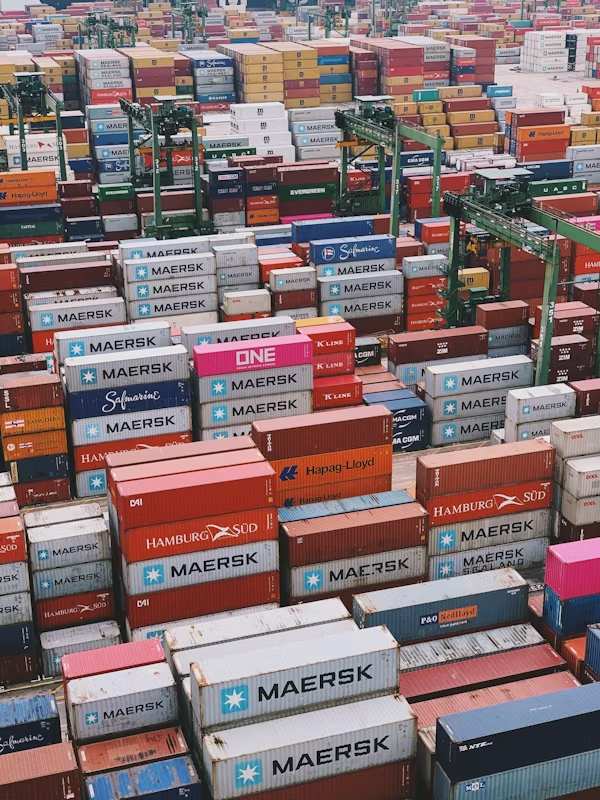
In 2022–23, agri-food exports reached a record A$957 million, with shipping containers sent to over 80 countries. Seafood is a key driver, with salmon and shellfish leading the way, while Tasmanian beef, dairy and fruit maintain strong demand. Exports of these high-value commodities have positioned Tasmania as one of Australia’s leading regions for agricultural products.
The international reputation of Tasmanian produce also benefits from strict environmental and food safety standards, which help the state differentiate its products in competitive markets. This focus on quality over quantity has allowed Tasmania to carve out a niche in global trade, commanding premium prices and fostering long-term customer loyalty.
Metals, Mining and Advanced Manufacturing
While food and agriculture attract attention, Tasmania’s export economy has significant depth in metals and industrial production. The state is a major producer of zinc, aluminium and other base metals, which collectively account for a substantial share of merchandise exports. The Risdon Zinc Works (Nyrstar) in Hobart exemplifies Tasmania’s industrial capabilities, processing raw ores into refined metals for global markets.
Processed metals alone generate billions in export value, highlighting the importance of Tasmania’s mining and manufacturing sectors. Beyond traditional industries, Tasmania is gradually positioning itself as a hub for advanced manufacturing, with initiatives to integrate clean energy, automation and high-tech production into its industrial base.
These developments reflect a broader strategy to add value within the state rather than exporting only raw commodities. By refining metals locally and developing specialised manufacturing capacity, Tasmania can capture more economic benefit and reduce vulnerability to fluctuations in raw material prices.
Services: Education and Tourism as Exports
Tasmania’s exports extend beyond goods. Services, particularly education and tourism, have become increasingly significant contributors to the economy. In 2023–24, international education-related travel generated A$463 million, while tourism continues to recover strongly as visitors return to explore the island’s wilderness, heritage and cultural offerings.
These sectors demonstrate that Tasmania’s trade story is not just about physical commodities; it is about leveraging its environment, culture and expertise to deliver high-value experiences to the world. By exporting knowledge, skills and unique experiences, the state diversifies its economic base and mitigates risks associated with commodity price volatility.
Strategic Growth Sectors and Antarctic Links
Looking forward, Tasmania is actively cultivating strategic and emerging sectors. The state is investing in advanced manufacturing, clean-energy technologies and Antarctic and Southern Ocean research. Hobart has long been a gateway to Antarctic expeditions, and today the Antarctic sector alone is valued at A$183 million, employing around 1,000 people.
This niche yet globally important sector reflects Tasmania’s ability to turn geographic isolation into a strategic advantage. By positioning itself as a center for polar research, logistics and innovation, the state captures international investment and expertise, further strengthening its trade ecosystem.
Export Markets: Balancing Opportunity and Risk
Tasmania’s trade partners reflect the strengths of its export sectors. China remains the largest market, accounting for A$1.378 billion in exports—nearly 28% of the total. Other key markets include South Korea, the United States, Indonesia, Vietnam and Malaysia.
Strong ties with China have enabled Tasmania to reopen premium seafood markets, expand wine exports and increase visibility for other high-value products. Yet this reliance on a single major market presents strategic risks. Trade diversification has therefore become a central theme of government policy, with Tasmania seeking to expand its reach into emerging Asian markets, North America and Europe.
Imports: Supporting Industry and Consumption
Tasmania’s import profile complements its exports. Industrial imports, including zinc, refined petroleum, aluminium, iron ore, animal feed and metal concentrates, are crucial for production and manufacturing. Interestingly, zinc tops the import bill, valued at A$1.096 billion in 2023–24, illustrating the role of Tasmania as a processing and value-added hub, not just a primary producer.
Refined petroleum products—worth A$828 million—are also vital, fueling transport, manufacturing and energy needs. Imports from Malaysia, South Korea, Singapore, China, and the United States highlight Tasmania’s integration into global supply chains, supporting both industrial activity and domestic consumption.
Ports and Trade Infrastructure
Tasmania’s trade success is underpinned by a robust port network. The island’s four major ports—Bell Bay, Burnie, Devonport and Hobart—handled 14.3 million tonnes of cargo in FY 2025, up 0.6% from the previous year.
-
Burnie is the largest in terms of export volume, particularly for forestry and minerals.
-
Devonport is critical for containerised cargo and fuel, handling nearly half of Tasmania’s TEU container traffic.
These ports are not only gateways for international trade but also catalysts for regional economic growth. Ongoing investments in logistics, infrastructure, and technology aim to improve efficiency, resilience and competitiveness.
Challenges and Opportunities Ahead
Tasmania’s growing global presence brings both opportunity and risk. Key challenges include:
-
Market concentration, particularly reliance on China, which exposes Tasmania to geopolitical and trade fluctuations.
-
Supply chain vulnerabilities, especially in energy, metals and imported goods.
-
Maintaining value-added growth, requiring continued investment in innovation and high-tech manufacturing.
At the same time, the state’s opportunities are significant. A global preference for clean, sustainable and ethically produced goods aligns with Tasmania’s brand, and demand for value-added products—premium spirits, produce, ag-tech solutions and advanced manufacturing outputs—is rising. Government programs like Export Essentials, combined with infrastructure upgrades and investment in advanced sectors, provide exporters with the tools to scale internationally.
Tasmania’s trade story is one of vision, ambition and resilience. From world-class food and premium metals to cutting-edge Antarctic research, the island state has positioned itself as a small but globally significant player. By combining natural advantages, industrial capability and government support, Tasmania is exporting more than goods—it is exporting its future.
FAQ
How much of Tasmania’s economy depends on exports?
Exports totalled A$6.16 billion in 2023–24, illustrating the importance of trade to Tasmania’s economic growth.
What are Tasmania’s major exports?
Key exports include processed metals (zinc and aluminium), seafood, fruit, vegetables and services like education and tourism.
Who buys Tasmanian goods?
China is the largest market, followed by South Korea, the United States, Vietnam and Malaysia.
What does Tasmania import?
Major imports include zinc, refined petroleum, aluminium, iron ore, animal feed and metal concentrates, essential for industrial production and domestic consumption.
What are the risks in Tasmania’s trade strategy?
Dependence on a few key markets, global trade fluctuations and supply-chain vulnerabilities.
How is Tasmania supporting its exporters?
Through programs like Export Essentials, port infrastructure investment, advanced manufacturing initiatives and policies to diversify markets and develop value-added products.
Advertisement / Sponsored Content — This content is a paid advertorial published in consideration of payment or other commercial benefit. The views, claims, statements, offers and representations are those of the advertiser and do not necessarily reflect the views of the publisher, which does not endorse or verify them. This material is provided for general promotional information only and does not constitute legal, financial, medical, investment or other professional advice; readers should make their own enquiries and seek professional advice before acting. Claims, testimonials and performance statements have not been independently verified unless stated. Offers and availability are subject to change and additional terms. This advertorial may contain links to third-party websites and the publisher may receive commissions or other benefits from reader engagement; the publisher is not responsible for third-party content or fulfilment. To the maximum extent permitted by Australian law, the publisher disclaims liability for reliance on this content, and nothing limits rights that cannot be excluded under the Australian Consumer Law. Where applicable, this advertorial is authorised by the advertiser and does not constitute independent editorial content.