zzSPECIALPOSTzz
Smart Ways to Make the Most of Your Kid’s Bedroom in a Small Home

Advertisement / Sponsored Content
This content is paid advertising and has been prepared in collaboration with the advertiser.
This post remains active as a legacy issue and is being phased out from January 2026.
Tasmanian Times no longer accepts requests for paid content or advertorials.
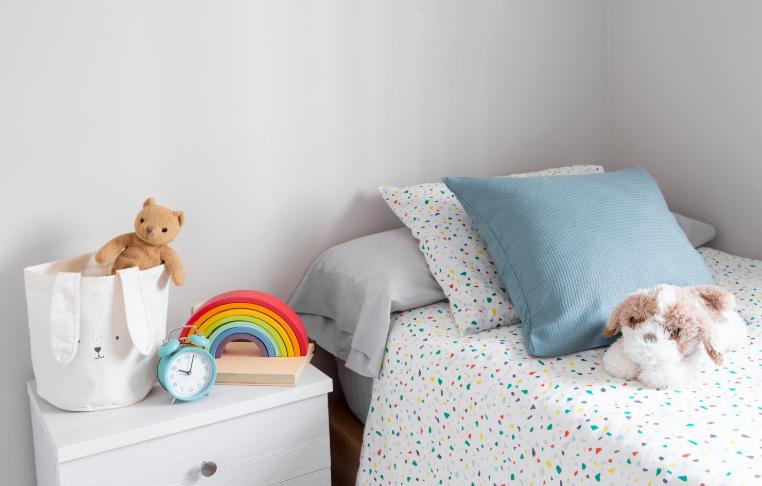

Small homes come with their own kind of charm. But when it comes to designing a child’s bedroom, that charm can feel kind of confusing and a bit overwhelming.
Kids need space to sleep, play, store their collections and grow into their personalities. Trying to fit all of that into one compact room can feel all but impossible. But it really isn’t.
With the right strategies, even a small bedroom can be turned into a functional and inviting space that feels bigger than it actually is. Here are some practical ideas to help you maximise the space you have.
Choose the Right Furniture
In a small kid’s room, furniture has to earn its spot. Instead of single-function pieces, look for items that do double the work. A good example is a kids double bed, which offers more sleeping space without taking up more floor space.
It’s ideal for sleepovers, siblings who share a room or simply giving your child room to stretch as they grow. If you choose a model with built-in drawers, you solve part of the storage problem as well.
Use Vertical Space
When you run out of floor space, go up. Walls are the most underused part of a small room, especially in a kid’s room, where books, art supplies, toys and clothes seem to keep multiplying.
Try adding wall-mounted bookshelves, floating shelves for toys or hooks for backpacks, hoodies and hats. Even choosing tall and slim wardrobes over wide ones helps create more storage, all while clearing some floor space.
Create Zones
Kids do better when spaces have purpose. Even if the room is small, dividing it into zones helps them keep things tidy and understand where everything goes.
Try a small reading corner with a beanbag, a play section with baskets or a sleep zone centred around the bed. These zones don’t have to be physically separated. Sometimes, all it takes is a rug, a lamp and a shelf to visually define an area.
Pick the Right Storage
Every parent knows that their kids will only stay organised if the storage makes sense to them. Low and accessible storage is ideal for younger children. Consider open bins, labelled baskets and soft toy bags that they can handle on their own.
Older kids may prefer drawers or shelves that they can personalise and keep private. You can also try mixing different types. The easier it is for them to put things away, the less time you spend managing clutter.
Use Light and Colour
A small bedroom doesn’t have to feel cramped. Colour and lighting play a major role in shaping how large a room feels. Light and neutral tones, for example, make the space feel calmer and more open. If your kid loves bold colours, use them strategically – a bright rug or colored bedding works.
Good lighting also matters. A combination of warm overhead lights, bedside lamps and natural light makes the room more inviting and increases the sense of space regardless of the physical area.
Advertisement / Sponsored Content — This content is a paid advertorial published in consideration of payment or other commercial benefit. The views, claims, statements, offers and representations are those of the advertiser and do not necessarily reflect the views of the publisher, which does not endorse or verify them. This material is provided for general promotional information only and does not constitute legal, financial, medical, investment or other professional advice; readers should make their own enquiries and seek professional advice before acting. Claims, testimonials and performance statements have not been independently verified unless stated. Offers and availability are subject to change and additional terms. This advertorial may contain links to third-party websites and the publisher may receive commissions or other benefits from reader engagement; the publisher is not responsible for third-party content or fulfilment. To the maximum extent permitted by Australian law, the publisher disclaims liability for reliance on this content, and nothing limits rights that cannot be excluded under the Australian Consumer Law. Where applicable, this advertorial is authorised by the advertiser and does not constitute independent editorial content.