zzSPECIALPOSTzz
Essential Fashion Accessories – Footwear and Eyewear Style Trends

Advertisement / Sponsored Content
This content is paid advertising and has been prepared in collaboration with the advertiser.
This post remains active as a legacy issue and is being phased out from January 2026.
Tasmanian Times no longer accepts requests for paid content or advertorials.
Fashion accessories often elevate an outfit from simply acceptable to truly expressive. Clothing may set the foundation, but details like shoes and glasses communicate taste, trend awareness and attention to the elements that complete your look.
Footwear and eyewear are uniquely dual-purpose: they began as purely functional items with shoes for movement and glasses for vision, but have evolved into powerful style statements that shape how others perceive you and how you express your identity.
Understanding trends in these categories helps you navigate endless options without feeling overwhelmed. The goal isn’t to chase every fad but to know the landscape well enough to choose pieces that feel authentic and keep your style current without losing your individuality.
Athletic Footwear’s Evolution Into Fashion Staple
Athletic footwear has undergone a major transformation from purely functional sports gear to a central part of everyday and even semi-formal style. This shift stems from improved aesthetics, cultural endorsements beyond athletics and the growing casualisation of dress codes.
As manufacturing advanced, athletic shoes evolved from performance-first designs to models with strong visual identities. Bold colourways and distinctive silhouettes made running and basketball shoes appealing far beyond their original purposes. Performance features stayed, but for many buyers aesthetics and cultural influence took priority.
This evolution sparked sneaker culture including collecting, trading and obsessing over shoes like art. Limited releases create long lines and thriving resale markets. Enthusiasts debate colourways and production details with intense passion. Viewed as fashion and cultural artifacts, the hype makes sense.
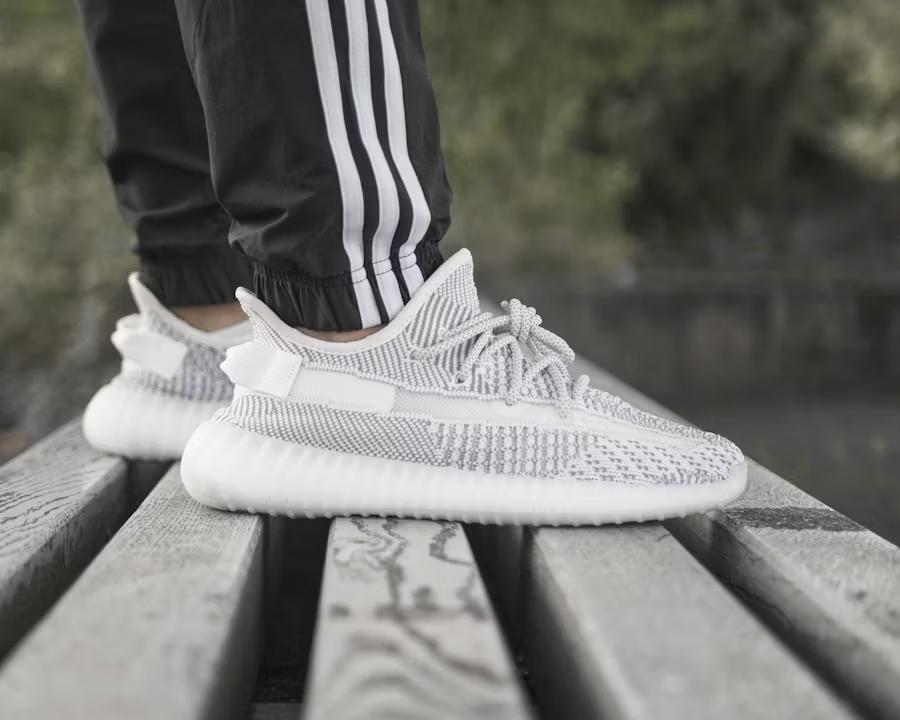

Style diversity within athletic footwear has expanded enormously from the relatively uniform designs of earlier eras. You now find minimalist styles with clean lines alongside maximalist designs featuring bold colours and complex layering. Retro models that reissue designs from the eighties and nineties appeal to nostalgia, whilst forward-looking designs incorporate unconventional materials pushing aesthetic boundaries.
The integration of athletic footwear into various dress contexts continues evolving. Pairing sneakers with tailored trousers or even suits has moved from fashion-forward experimentation to relatively mainstream practice. The key involves choosing sleeker athletic styles that complement rather than clash with dressier elements and maintaining overall outfit coherence.
Certain athletic footwear designs have achieved iconic status where their cultural resonance extends beyond fashion into broader recognition. These models become part of the style vocabulary that fashion-aware people understand even if they don’t personally wear them. Options like Nike Tuned demonstrate this phenomenon, featuring designs that maintain relevance through distinctive aesthetics and cultural associations extending beyond any particular season or trend cycle.
Investing in quality athletic footwear makes sense from both fashion and practical perspectives. Well-constructed shoes maintain appearance longer through better materials and construction quality that resist creasing and general deterioration. The price difference between budget and quality options often proves worthwhile over the lifespan of shoes that genuinely get worn regularly.
Eyewear’s Transformation From Necessity to Fashion Statement
Eyewear’s journey from purely medical devices to fashion accessories mirrors athletic footwear’s evolution in interesting ways. Both served clear functional purposes first before design elements transformed them into style statements people choose based on appearance as much as utility.
The perception shift around wearing glasses represents a remarkable cultural change. Previous generations often viewed glasses as markers of weakness or unattractiveness. Contact lenses gained popularity partly by making vision correction invisible. Laser surgery offered permanent correction eliminating the need for glasses entirely. These alternatives existed because wearing glasses carried negative associations.
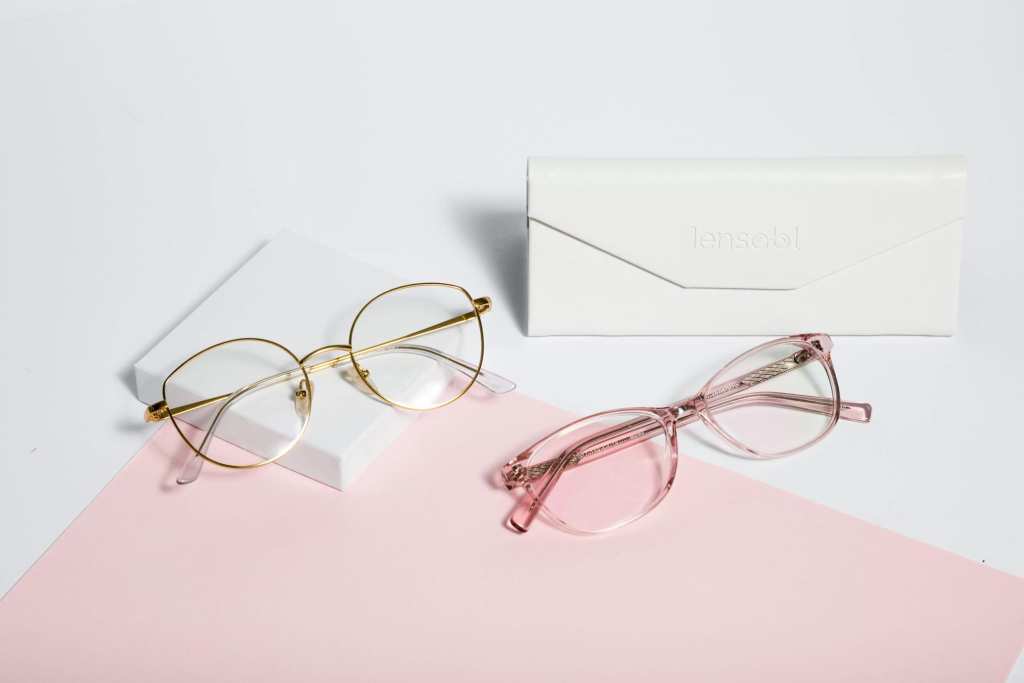

Contemporary attitudes have inverted this perception almost completely. Glasses now signal intelligence, sophistication or artistic sensibility depending on frame style. People with perfect vision sometimes wear non-prescription glasses purely for aesthetic effect. Frame selection receives serious consideration as a fashion choice rather than just accepting whatever frames insurance covers.
The range of available frame styles accommodates practically any aesthetic preference or face shape. Classic styles like wayfarers and aviators maintain popularity through timeless designs. Oversized frames create bold statements whilst minimalist frames with thin metal appeal to preferences for understated elegance. Colourful acetate frames allow expressing personality through bright hues or interesting patterns.
Frame selection involves balancing multiple considerations beyond pure aesthetic preference. Face shape influences which styles appear most flattering. Skin tone affects which colours complement rather than clash with natural colouring. Lifestyle needs matter too since active lifestyles might favour more secure fit whilst professional environments might suggest conservative choices.
The technical aspects of prescription glasses have advanced substantially beyond basic vision correction. Anti-reflective coatings reduce glare from screens and overhead lighting. Blue light filtering addresses concerns about digital device exposure affecting sleep and eye health. Photochromic lenses darken in sunlight providing UV protection. These improvements make glasses more pleasant to wear whilst looking better on your face.
Multiple pairs of glasses offer flexibility for different contexts and moods similar to owning various shoes for different occasions. A conservative pair might suit professional settings whilst bold frames work for casual environments. Building a collection transforms glasses from a single functional item into a genuine fashion category.
Completing Your Style Through Thoughtful Accessories
The power of accessories lies in their ability to personalise and complete outfits that might otherwise feel generic or unfinished. Footwear and eyewear particularly influence overall presentation because they’re visible and available in enough stylistic variety to express personal taste whilst serving functional purposes.
Approaching these accessories strategically rather than as afterthoughts elevates overall style substantially. This means considering how shoes and glasses work with your clothing and investing appropriately in quality that justifies itself through both appearance and durability.
Fashion accessories ultimately serve personal expression as much as functional needs. The shoes you choose and glasses you wear communicate aspects of identity and awareness of contemporary style. Understanding trends in these categories whilst developing your own preferences creates authentic style that feels current without seeming desperate.
Advertisement / Sponsored Content — This content is a paid advertorial published in consideration of payment or other commercial benefit. The views, claims, statements, offers and representations are those of the advertiser and do not necessarily reflect the views of the publisher, which does not endorse or verify them. This material is provided for general promotional information only and does not constitute legal, financial, medical, investment or other professional advice; readers should make their own enquiries and seek professional advice before acting. Claims, testimonials and performance statements have not been independently verified unless stated. Offers and availability are subject to change and additional terms. This advertorial may contain links to third-party websites and the publisher may receive commissions or other benefits from reader engagement; the publisher is not responsible for third-party content or fulfilment. To the maximum extent permitted by Australian law, the publisher disclaims liability for reliance on this content, and nothing limits rights that cannot be excluded under the Australian Consumer Law. Where applicable, this advertorial is authorised by the advertiser and does not constitute independent editorial content.