zzSPECIALPOSTzz
Why Medieval Swords Still Matter in Modern Fan Culture
Medieval swords connect past and present as symbols of honour. Explore the rich history of medieval swords. Learn about ceremonial sword significance.

Advertisement / Sponsored Content
This content is paid advertising and has been prepared in collaboration with the advertiser.
This post remains active as a legacy issue and is being phased out from January 2026.
Tasmanian Times no longer accepts requests for paid content or advertorials.
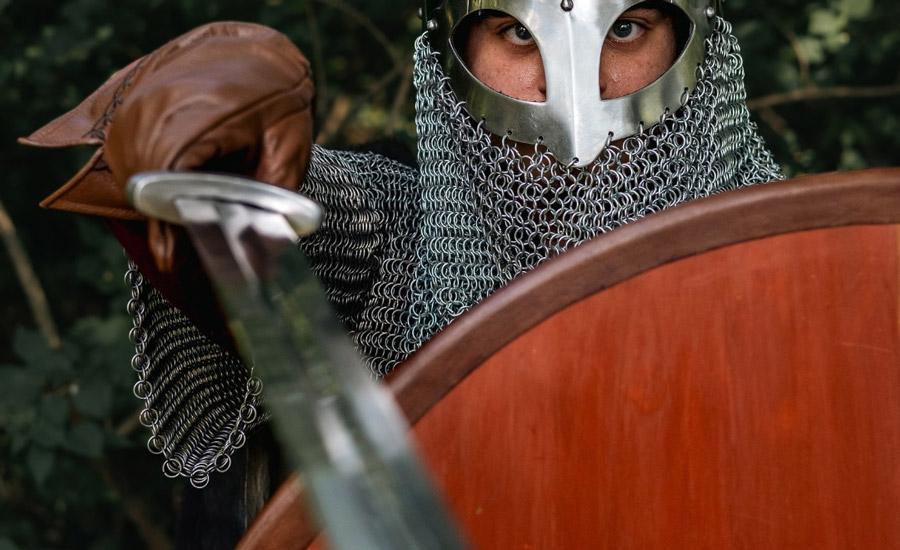

Have you ever wondered why medieval swords continue to captivate our imagination centuries after their practical use in warfare ended? These iconic weapons have transcended their original purpose to become powerful symbols of honour, identity and artistic expression in our modern world.
Through ceremonies, entertainment media and historical reenactments, medieval swords forge meaningful connections between past and present, allowing enthusiasts to experience the rich traditions and craftsmanship that have shaped cultures across generations.
Icons in Rituals and Modern Fandoms
Ceremonies still lean on symbols that carry weight and ceremonial medieval swords remain among the most recognisable—linking knighthood rites, official investitures and military parades with older traditions.
The pull extends well beyond formalities into fan communities, where enthusiasts debate designs, train with safe replicas and trade tips on care and display—collectors, in particular, prize authentic medieval swords for their history and craftsmanship.
The appeal today shows up in:
-
Use in state and military ceremonies
-
Constant presence in gaming and fantasy
-
Growing historical reenactment groups
-
A healthy market for quality replicas and collectibles
This enduring interest shows how legendary weapons adapt to modern tastes without losing their roots; their roles in both ritual and entertainment connect people across eras through shared respect for symbolism, skill and story.
Heroic Identity and Myth-Making
The deep connection between warriors and their swords has shaped storytelling. A warrior’s reputation and chosen blade were so closely intertwined that medieval warriors valued their weapons as extensions of their identity.
This powerful bond continues to influence modern culture, where swords are symbols in everything from fantasy novels to video games.
The symbolic power of swords in shaping heroic identity has evolved beyond traditional narratives. Today’s storytellers and creators draw from these ancient associations to craft compelling characters and stories that resonate with contemporary audiences.
Here’s how medieval sword symbolism lives on in modern entertainment:
-
Fantasy literature featuring legendary blades as plot devices
-
Role-playing games where swords represent character growth
-
Cosplay communities recreating iconic warrior outfits
-
TV shows and movies use swords to symbolise power and destiny
The mythic elements associated with swords haven’t lost their appeal. Instead, they’ve found new life in digital spaces and creative communities. Modern enthusiasts don’t just admire these weapons – they use them to explore identity, build communities and connect with age-old traditions in meaningful ways.
Craftsmanship and Artistic Expression
Medieval swords represent the perfect fusion of artistic beauty and practical function. Each blade tells a story through intricate patterns, detailed engravings and carefully balanced design.
The master craftsmen of the medieval period created these weapons with extraordinary skill, combining advanced metallurgical techniques with decorative elements that showcased their creative vision.
These masterpieces require multiple specialised techniques, from the initial forging to the final embellishments. Here’s what makes medieval swords such remarkable pieces of craftsmanship:
-
Pattern-welded steel blades featuring distinctive flowing designs
-
Gold and silver inlays depicting religious symbols or family crests
-
Precisely balanced weight distribution for optimal handling
-
Hand-carved hilts incorporating precious materials like ivory and gemstones
-
Customised pommels that served as both counterweight and status symbol
As The Met Fifth Avenue notes in its catalogue for a ceremonial example:
“The silver embellished pommel and the crossguard made of copper alloy (rather than steel) wrapped with silver wire suggest that this sword was intended for presentation or for ceremonial use rather than as a fighting weapon.”
Today’s sword makers honour this rich tradition by creating faithful reproductions using traditional methods. Their work keeps the ancient techniques alive while satisfying modern collectors and enthusiasts who appreciate the marriage of form and function.
These contemporary artisans spend countless hours studying historical examples, ensuring their replicas capture the physical characteristics and the spirit of medieval craftsmanship.
Inheritance, Memory and Ancestry
Medieval swords carry profound meaning as family heirlooms, passing through generations and shaping the identities of those who inherit them. These cherished weapons have shaped family identities across centuries, becoming more than just weapons – they’re physical connections to ancestral stories and traditions.
These historical treasures are preserved in modern times, with many organisations and families maintaining their sword collections. Each blade tells a unique story, carrying the memories and experiences of previous owners. The emotional value of these artifacts often surpasses their material worth.
How medieval swords connect past and present:
-
They serve as tangible links to family histories
-
They represent cultural heritage preservation
-
They act as educational tools for younger generations
-
They maintain military and ceremonial traditions
Many modern sword enthusiasts feel a deep connection to these historical pieces, seeing them as bridges between past and present. This connection inspires them to learn more about their ancestry and preserve these meaningful artifacts for future generations.
Sword preservation helps maintain cultural traditions while creating new memories for contemporary families.
Intimacy, Spirituality and Growth
The profound connection between warriors and their swords extends beyond mere combat utility. Medieval sword fighting created an intense personal bond between wielder and weapon through close-quarter combat.
This intimate relationship shaped the spiritual significance of swords, with many believing these blades absorbed and carried the memories of their bearers – memories of their bearers.
Modern practitioners continue to experience these deep connections through various disciplines. The key aspects that draw people to sword-based practices include:
-
Physical discipline and body awareness
-
Meditation through movement
-
Connection to historical traditions
-
Community and shared learning experiences
These disciplines promote mindful development by integrating physical technique, mental focus and spiritual awareness.
Timeless Legacy Endures
Medieval swords have transcended their original purpose as weapons to become powerful cultural symbols that bridge past and present, connecting us to centuries of human history and tradition.
Their enduring appeal manifests through various channels – from ceremonial rituals and family heirlooms to popular entertainment and martial arts practices, demonstrating remarkable adaptability while maintaining their core symbolic power.
The continued fascination with medieval swords reveals our deep human desire to connect with history, craft meaningful traditions and explore personal growth through tangible links to our shared past.
Advertisement / Sponsored Content — This content is a paid advertorial published in consideration of payment or other commercial benefit. The views, claims, statements, offers and representations are those of the advertiser and do not necessarily reflect the views of the publisher, which does not endorse or verify them. This material is provided for general promotional information only and does not constitute legal, financial, medical, investment or other professional advice; readers should make their own enquiries and seek professional advice before acting. Claims, testimonials and performance statements have not been independently verified unless stated. Offers and availability are subject to change and additional terms. This advertorial may contain links to third-party websites and the publisher may receive commissions or other benefits from reader engagement; the publisher is not responsible for third-party content or fulfilment. To the maximum extent permitted by Australian law, the publisher disclaims liability for reliance on this content, and nothing limits rights that cannot be excluded under the Australian Consumer Law. Where applicable, this advertorial is authorised by the advertiser and does not constitute independent editorial content.