
Advertisement / Sponsored Content
This content is paid advertising and has been prepared in collaboration with the advertiser.
This post remains active as a legacy issue and is being phased out from January 2026.
Tasmanian Times no longer accepts requests for paid content or advertorials.
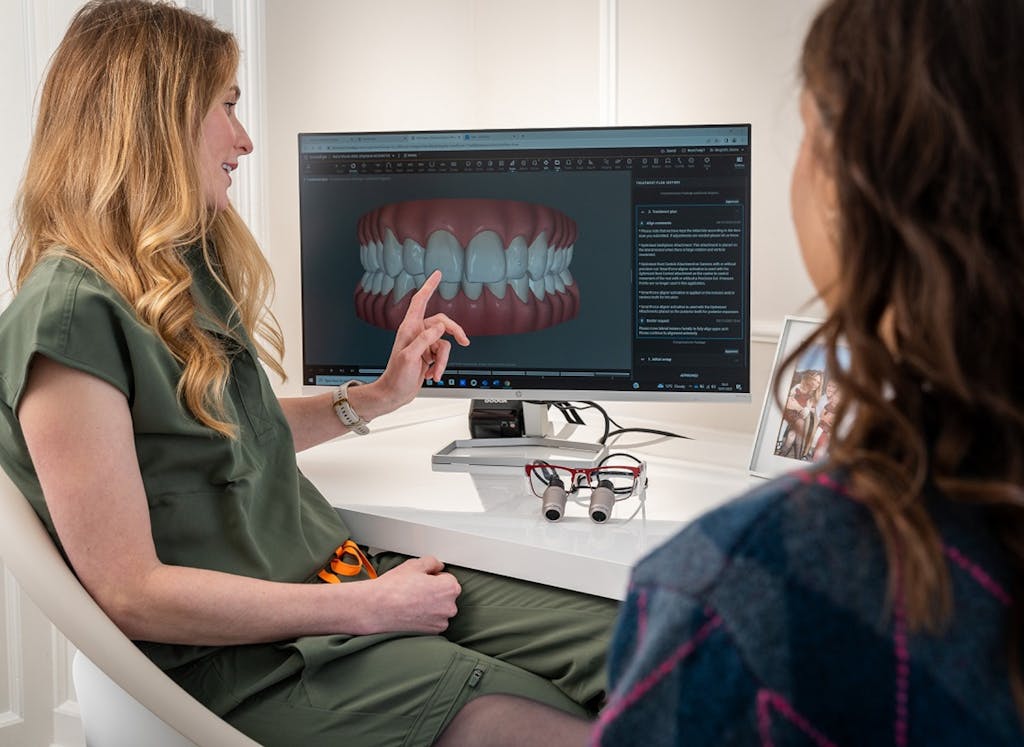
Getting a dental implant is a fantastic way to replace missing teeth. Implants look and feel like your natural teeth, giving you back your smile and helping you eat and speak better. But after the surgery, there’s a period of healing. This “recovery process” is super important to make sure your new implant works perfectly for many years.
A smooth recovery means less pain, faster healing and a better chance for the implant to fully settle in. To help you through this, we’ve put together some top tips. Following these simple steps will make your healing journey easier and more comfortable, leading to a successful new smile.
What to Expect Right After Surgery
Right after your dental implant surgery, it’s normal to feel a bit of discomfort. You might notice some pain, swelling and maybe a little bleeding. Your mouth will likely feel numb for a few hours because of the medicine the dentist gave you. This is all part of the body’s natural healing process. Don’t worry if you see a little blood in your saliva; it’s usually just light oozing. Your dentist will give you a piece of gauze to bite down on to help stop any bleeding. It’s important to just relax and take it easy for the rest of the day.
Managing Pain and Swelling
Pain and swelling are common, but there are good ways to manage them. Thanks to modern dental planning, including the precise 3D images from a cone beam CT (CBCT) scan, your dentist can plan the implant placement very carefully. This precision can help make the surgery smoother, which often leads to less pain and swelling afterwards.
Your dentist will give you pain medicine; take it as directed to stay ahead of discomfort. Swelling is normal for a few days. Use an ice pack on your cheek for 20 minutes on/off to reduce it. After a couple of days warm heat might help, but always check with your dentist first.
This dentist who does high-quality veneers in Ballwin adds that rest and careful oral hygiene also play a significant role in managing discomfort. It’s important to get plenty of rest in the days following your procedure and avoid strenuous activity, which can increase swelling and disrupt the healing process. When you do brush, be very gentle around the surgical site to prevent irritation, and use a saltwater rinse as recommended by your dentist to keep the area clean and reduce the risk of infection, which can lead to increased pain.
Eating and Drinking Wisely
What you eat and drink is very important during the first few days of recovery.
-
Soft Foods Only: For the first few days, stick to soft, cool foods. Think vegan yogurt, soup (not too hot!), mashed potatoes, noodles or smoothies. These foods won’t put stress on the healing area.
-
Avoid Chewing on the Implant Site: Try to chew on the opposite side of your mouth where the implant was placed. This gives the new implant time to settle without being disturbed.
-
No Hot Drinks or Alcohol: Very hot drinks can increase bleeding and discomfort. Alcohol can slow down healing and might react with your pain medicine. Avoid both for at least a few days.
-
Say NO to Straws: This is very important! Do not use straws. The sucking action can create pressure in your mouth that might dislodge the blood clot forming at the surgical site. This can lead to a painful condition called “dry socket,” which you definitely want to avoid.
-
Stay Hydrated: Drink plenty of water. It helps your body heal and keeps you feeling good.
Keeping Your Mouth Clean
Good oral hygiene is a must to prevent infection, but you need to be very gentle around the implant site.
-
Gentle Rinsing: Your dentist might tell you to rinse with warm salt water a few times a day, starting the day after surgery. Mix half a teaspoon of salt in a glass of warm water. Swish gently, then let it dribble out; don’t spit hard. This helps keep the area clean and promotes healing.
-
Careful Brushing: You can brush your other teeth as normal with a soft toothbrush. Be very careful around the surgical site. Avoid brushing directly on the implant area for the first few days, but make sure to keep nearby areas clean. Ask your dentist when it’s safe to start brushing the implant itself very gently.
Rest and Avoiding Strenuous Activity
After oral surgery, your body needs time and energy to heal, so rest is key.
-
Get Plenty of Rest: For the first few days, try to rest as much as possible. Avoid heavy lifting or any strenuous exercise. Physical activity can increase blood flow to the surgical area, which can cause more bleeding or swelling.
-
Elevate Your Head: When you sleep or lie down, try to keep your head a bit raised using extra pillows. This can help reduce swelling.
-
No Smoking: If you smoke, it’s very important to stop, at least during the healing period. Smoking can severely slow down healing and greatly increase the risk of implant failure. It reduces blood flow, which is vital for new bone growth around the implant.
Watch for Any Warning Signs
While some discomfort is normal, it’s important to know when something might be wrong.
-
When to Call Your Dentist: If you experience severe pain that doesn’t go away with medicine, heavy bleeding that doesn’t stop, swelling that gets worse after 2-3 days, a fever, or notice any pus around the implant site, call your dentist right away. These could be signs of an infection or other issues.
-
Follow-Up Appointments: Make sure you go to all your scheduled follow-up appointments. Your dentist needs to check how you’re healing and make sure everything is progressing as it should.
The Longer Healing Journey
The initial healing after surgery takes about 1 to 2 weeks, but the full healing process for a dental implant is much longer. This is called osseointegration. It’s when your jawbone actually grows around and fuses with the implant, making it a strong and stable part of your mouth. This can take several weeks to a few months.
During this time, it’s still important to be gentle with the implant site, even if you feel fine. Continue with good oral hygiene and follow all your dentist’s advice. Patience is key for this stage. Once osseointegration is complete, your dentist will attach the final crown or bridge to your implant.
Having a smooth recovery from dental implant surgery sets you up for long-term success. By following these tips – managing pain, eating soft foods, keeping clean gently, resting and avoiding bad habits like smoking – you give your body the best chance to heal well.
A successful recovery means you’ll soon be able to enjoy all the benefits of your new, strong, and natural-looking dental implant, eating, speaking and smiling with confidence for many years to come!
Advertisement / Sponsored Content — This content is a paid advertorial published in consideration of payment or other commercial benefit. The views, claims, statements, offers and representations are those of the advertiser and do not necessarily reflect the views of the publisher, which does not endorse or verify them. This material is provided for general promotional information only and does not constitute legal, financial, medical, investment or other professional advice; readers should make their own enquiries and seek professional advice before acting. Claims, testimonials and performance statements have not been independently verified unless stated. Offers and availability are subject to change and additional terms. This advertorial may contain links to third-party websites and the publisher may receive commissions or other benefits from reader engagement; the publisher is not responsible for third-party content or fulfilment. To the maximum extent permitted by Australian law, the publisher disclaims liability for reliance on this content, and nothing limits rights that cannot be excluded under the Australian Consumer Law. Where applicable, this advertorial is authorised by the advertiser and does not constitute independent editorial content.