A recent analysis of 2,856 Australians by a company specialising in “food incompatibility” testing, reveals how different generations react to common foods.
Unlike food allergies or intolerances, food incompatibility is a lesser-known form of food reactivity where certain foods temporarily disrupt an individual’s cellular or inflammatory state. Symptoms can include bloating, rashes, brain fog and headaches.
According to the FoodFit data, these imbalances manifest differently across various age groups.
The latest data comes from aggregated hair sample tests conducted in the 2025 financial year.
The findings highlight that food incompatibility is inherently bio-compatible and what causes a reaction in one individual may be completely tolerated in another.
It’s never a one-size-fits-all outcome.
Each year, the company receives upwards of 5000 symptomatology reports from natural health practitioners. Armed with hair (and sometimes saliva) samples they test them against more than 600 whole foods and household products and then guide individuals through a six-month elimination process to reduce inflammation and restore balance. Many foods can be reintroduced once the body resets.
Dennis Hodges, Founder and CEO said: “Our reports reflect people who had no diagnosed allergies or intolerances, but were suffering unexplained symptoms and underwent testing through their naturopath. We have aggregated these results to identify a real-world snapshot of how food incompatibility is troubling different age groups.
“A food like strawberries or coffee might be fine for one person but can cause issues in another, depending on their cellular state at the time and life stage. For kids, it could be rashes, a teenager could suffer from unexplained headaches, compared to an older Australian who could be dealing with irritable bowel syndrome.
“We’re not saying strawberries, coffee or garlic are bad foods. We’re saying they may not suit the impacted individual’s system right now. A Boomer’s food incompatibility can look different from a Gen Z’s.
According to their analysis of hair and saliva samples, the top triggers and symptoms for each generation are as follows:
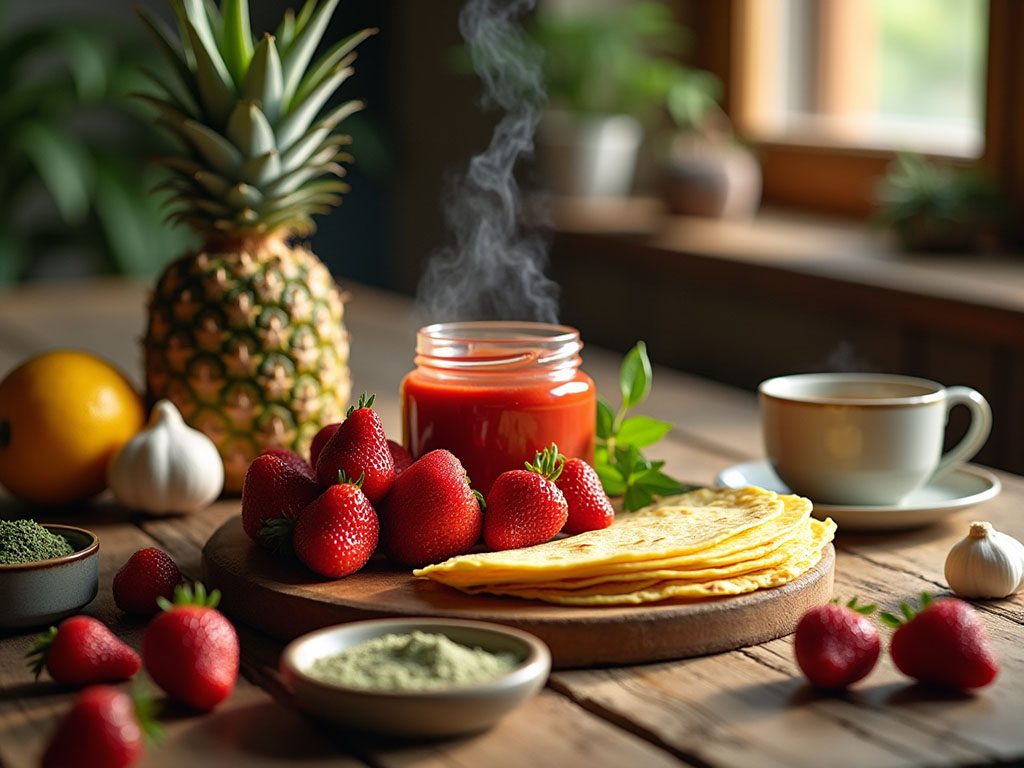
Gen Alpha (under 12s): This age group primarily experiences skin and behavioral issues. Rashes and eczema are the most common symptoms, followed by constipation, hyperactivity and sleep issues. The top food triggers are strawberries, tomato paste and corn tortillas.
Gen Z (13-28): Gen Z reports symptoms related to poor digestion, such as bloating, headaches, diarrhea and constipation. The top incompatible foods for this generation are corn tortillas, chlorella [a nutrient-dense algae] and coffee.
Millennials (29-44): This generation is most likely to experience what the report calls a “cognitive crisis,” with brain fog, tiredness and poor sleep being the main complaints. Their top triggers are chlorella, strawberries and garlic.
Gen X (45-60): For the first time, joint pain appears in the top ten list of symptoms for this generation, along with bloating, brain fog and tiredness. The foods most likely to cause these issues are strawberries, tortillas and chlorella.
Boomers (over 60s): Boomers face a variety of digestive issues, with irritable bowel syndrome being the top symptom after bloating, followed by reflux and flatulence. The top triggers for this group are pineapple, garlic and chlorella.
Tasmanian Times (TT) is a community-based news and current affairs service covering the island state of Tasmania. It exists to provide a diverse presentation of Tasmanian issues. TT creates and supports independent media content utilising the best of modern technologies and tried-and-true practices of public-interest journalism.
Support us in expanding our coverage and developing new content by and for Tasmanians.
New initiatives on the way include … what our contributors and readers suggest! Please get in touch with your suggestions.