zzSPECIALPOSTzz
Australian Banknotes -No More King Charles III, but Plastic to Stay? Time to Rethink the Polymer Banknote

Advertisement / Sponsored Content
This content is paid advertising and has been prepared in collaboration with the advertiser.
This post remains active as a legacy issue and is being phased out from January 2026.
Tasmanian Times no longer accepts requests for paid content or advertorials.

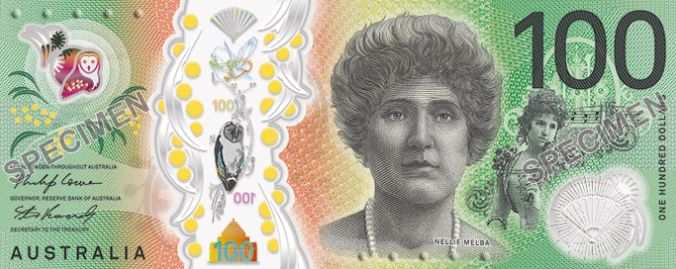
In early 2023, the Reserve Bank of Australia (RBA) announced a landmark decision: King Charles III would not appear on Australia’s new five-dollar banknote. Instead of continuing the tradition of featuring the British monarch, the new design features First Nations peoples, co-developed with indigenous communities. But these cultural concerns seem to have taken precedence over another critical issue for the central bank: its continued, unadulterated use of polymer in its banknotes.
Australia was the first country to introduce them in 1988, so any reversal would be complicated, but necessary. Since then, polymer has become the standard material for all Australian currency. It has been marketed as more secure, longer-lasting and more resistant to damage than traditional cotton-based paper. But the story is far more complex and increasingly out of step with global concerns about long term effects on the environment.
The polymer problem
Polymer banknotes are made using a synthetic plastic film, typically derived from polypropylene—a petroleum-based product. While these notes do last significantly longer than paper (up to 2.5 times, according to some studies), their overall environmental impact is controversial.
A 2017 assessment commissioned by the Bank of England entitled “The future composition of polymer banknotes” found that polymer notes had a lower overall environmental footprint than paper notes when considering longevity. However, this analysis was limited to UK notes and assumed an efficient recycling system, something not yet fully realised in Australia or elsewhere.
Critically, polymer notes are not biodegradable, and while they are technically recyclable, the infrastructure to process them remains limited and underutilised. In practice, many end up incinerated or in landfills. And because they originate from petrochemicals, polymer notes inherently support an extractive and polluting industry.
According to a 2019 article in Atmosphere magazine, “Polymer banknotes represent almost treble the greenhouse gas emissions than the paper notes they replaced, despite their longer lifespan and the Bank of England’s initial claims.” The article references research that revealed that, of the average number of banknotes required by an individual adult each year, new £10 notes release 8.77kg of CO2 compared to their cotton-paper predecessors’ 2.92kg.
While supporters argue that durability means fewer notes need to be produced, thus reducing overall resource consumption, this benefit is negated if polymer notes are not sustainably disposed of. The longer lifespan also does not compensate for the complexity and cost of handling polymer waste.
Security myths and misconceptions
One of the primary reasons Australia embraced polymer notes was improved security. Features such as transparent windows, holograms and colour-shifting inks were introduced to deter counterfeiting. Yet this advantage is far from absolute.
In 2019, Australian authorities dismantled “Operation Gridline,” a sophisticated counterfeiting ring that had successfully reproduced high-denomination polymer notes, particularly the $50 and $100 bills. These counterfeiters used commercially available printers and developed high-resolution templates capable of mimicking even advanced polymer features, and printed their counterfeit bills on plastic.
The episode highlighted a stark reality: even modern plastic notes can be forged with enough technical skill. While overall counterfeiting rates remain low in Australia, similar risks exist globally. In Canada and the UK—both users of polymer notes—authorities continue to report counterfeit incidents. This suggests that while polymer offers certain deterrents, it is not a foolproof solution. Paper notes, when embedded with modern features such as 3D ribbons, tactile elements and micro-optic threads, can offer equal or superior security when properly implemented.
The case for cotton, then
Cotton-based banknotes, particularly those manufactured using recycled textile waste, offer a compelling alternative to polymer. They are biodegradable, less carbon-intensive in production and can be sourced sustainably. For instance, euro banknotes are produced using cotton fibres sourced exclusively from the waste by-products of the textile industry, eliminating the need for virgin material consumption.
In addition to being environmentally sound, cotton notes are easier to recycle domestically and have established waste streams for repurposing. Shredded cotton banknotes can be transformed into products like insulation materials, compost and even construction panels.
Importantly, technological advancements in substrate coatings and embedded security threads have significantly improved the durability and security of cotton-based banknotes. The U.S. dollar, for example, is printed on a blend of 75% cotton and 25% linen, according to the Bureau of Engraving and Printing, and incorporates advanced security features like colour-shifting ink, watermarks and embedded security threads, making it one of the most secure currencies in circulation. The perception that paper money is fragile or easily forged is outdated. Modern cotton-based banknotes are designed to withstand the rigours of circulation while maintaining high security standards.
While polymer notes are durable and recyclable, their production relies on synthetic materials derived from fossil fuels, contributing to environmental degradation. This reliance on petrochemicals stands in contrast to Australia’s broader environmental goals and commitments.
Australia’s $5 note redesign is, undeniably, a significant cultural milestone. Replacing the British monarch with imagery honouring indigenous Australians is a powerful statement of independence and inclusion. But the opportunity to also embrace environmental leadership through a change in banknote substrate has been missed—at least for now.
Advertisement / Sponsored Content — This content is a paid advertorial published in consideration of payment or other commercial benefit. The views, claims, statements, offers and representations are those of the advertiser and do not necessarily reflect the views of the publisher, which does not endorse or verify them. This material is provided for general promotional information only and does not constitute legal, financial, medical, investment or other professional advice; readers should make their own enquiries and seek professional advice before acting. Claims, testimonials and performance statements have not been independently verified unless stated. Offers and availability are subject to change and additional terms. This advertorial may contain links to third-party websites and the publisher may receive commissions or other benefits from reader engagement; the publisher is not responsible for third-party content or fulfilment. To the maximum extent permitted by Australian law, the publisher disclaims liability for reliance on this content, and nothing limits rights that cannot be excluded under the Australian Consumer Law. Where applicable, this advertorial is authorised by the advertiser and does not constitute independent editorial content.