zzSPECIALPOSTzz
Chlorine and Your Skin – What You Need to Know (And How a Shower Filter Helps)

Advertisement / Sponsored Content
This content is paid advertising and has been prepared in collaboration with the advertiser.
This post remains active as a legacy issue and is being phased out from January 2026.
Tasmanian Times no longer accepts requests for paid content or advertorials.
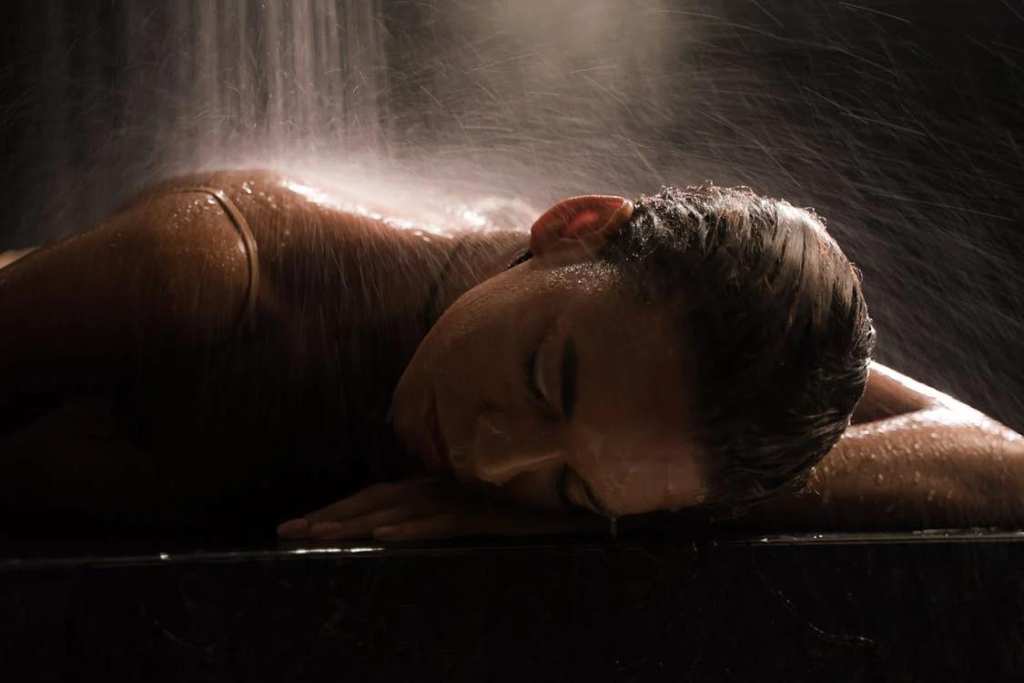

Chlorine is a powerful disinfectant added by water distributing companies to the water supply to kill germs, bacteria and viruses. But even though it’s much needed to keep our waters clean and the swimming pool clear and germ-free, it has detrimental effects, especially if we’re continuously exposed to it. In today’s article, we’ll highlight how chlorine negatively affects our bodies, especially our skin, so we can take a health action plan and the necessary steps to mitigate these effects.
The power of a shower filter: how a simple solution can make a world of difference.
You don’t have to submit yourself to any of these skin and hair issues and can just opt for a simple solution: use a shower filter. Filter out chlorine and keep your skin happy and healthy with Fettle Effect’s best-selling shower head filter, ensuring that you have clean and gentle water for washing. It’s an effective and affordable solution and a good investment for yourself as well. Shower filters are designed to neutralise chlorine and remove other harmful contaminants and impurities in the water before it can come in contact with your skin.
Plus, they can be installed easily, since they’re easily attached to shower heads. When it comes to filtration, shower filters, as their name suggests, use different technologies and chemical processes like kinetic degradation fluxion, activated carbon and other filtration media to convert chlorine and remove impurities. People who use shower filters have shared how their skin is more supple, which is ideal to avoid exacerbating skin conditions, if you have any.
What happens when we shower with chlorinated water for so long? Understanding the science behind the effects of chlorine on our skin.
We’ve said it before, and we’ll say it again: chlorine is a powerful disinfectant; it’s highly reactive and breaks down the cell walls of microorganisms and bacteria. So if chlorine can do this to bacteria, then it follows that it can also do harsh damage to our skin. You see, the outermost layer of our skin, the epidermis, is covered by a protective barrier made up of oils and lipids. This barrier is an integral part of the skin since it helps retain moisture and also keeps away environmental stressors.
So, how does chlorine affect our skin, you ask? When you wash your body with chlorinated water, the chlorine immediately strips away the protective oils from the skin upon immediate contact. This is why some people end up having dry, flaky and tight skin after they shower. As we all know, this is not ideal since it can make the skin itchy and prone to irritation, and if you have sensitive skin, it’s even worse for you since it can trigger allergies. But it doesn’t stop there; this repeated exposure can also disrupt your skin’s microbiome, which can trigger a world of problems. Flare-ups, severe itching, psoriasis and eczema are just a handful of skin issues that you can possibly suffer from, all because of chlorinated water.
What are the other effects of chlorine on our bodies?
Besides dryness, itching, and irritation, chlorine can also damage the body’s healthy cells. Because it’s a radical agent, it can speed up the oxidative stress, thus accelerating the breakdown of collagen and elastin. These two are types of protein responsible for keeping our skin firm and supple. If we go by this logic, then it also follows that chlorinated water also contributes to the acceleration of the ageing process, making wrinkles, fine lines and sagging skin form and become more prominent than ever.
Besides the skin, the hair is also another part of our bodies that can suffer from the effects of chlorine. It pretty much has the same effect: it dries out the hair, making it look dull, lifeless, and hard to manage. It also makes your hair frizzy and lacklustre. But that’s not all; chlorine can also cause a condition called folliculitis. When the hair follicles are irritated, it can trigger a rash of red, itchy bumps that are uncomfortable and troublesome.
To wrap it up, even though chlorine is a much-needed element in water sanitation, excess amounts of it in the water can lead to health issues, especially for our skin. It strips away the skin’s natural oils, which could lead to dryness, thus triggering an array of skin conditions. Furthermore, it also speeds up the ageing process. So to avoid all of these, using a shower filter can help neutralise the chlorine in the water, so you can bathe without worry.
Advertisement / Sponsored Content — This content is a paid advertorial published in consideration of payment or other commercial benefit. The views, claims, statements, offers and representations are those of the advertiser and do not necessarily reflect the views of the publisher, which does not endorse or verify them. This material is provided for general promotional information only and does not constitute legal, financial, medical, investment or other professional advice; readers should make their own enquiries and seek professional advice before acting. Claims, testimonials and performance statements have not been independently verified unless stated. Offers and availability are subject to change and additional terms. This advertorial may contain links to third-party websites and the publisher may receive commissions or other benefits from reader engagement; the publisher is not responsible for third-party content or fulfilment. To the maximum extent permitted by Australian law, the publisher disclaims liability for reliance on this content, and nothing limits rights that cannot be excluded under the Australian Consumer Law. Where applicable, this advertorial is authorised by the advertiser and does not constitute independent editorial content.