zzSPECIALPOSTzz
What’s New in Heavy Equipment for 2025?

Advertisement / Sponsored Content
This content is paid advertising and has been prepared in collaboration with the advertiser.
This post remains active as a legacy issue and is being phased out from January 2026.
Tasmanian Times no longer accepts requests for paid content or advertorials.
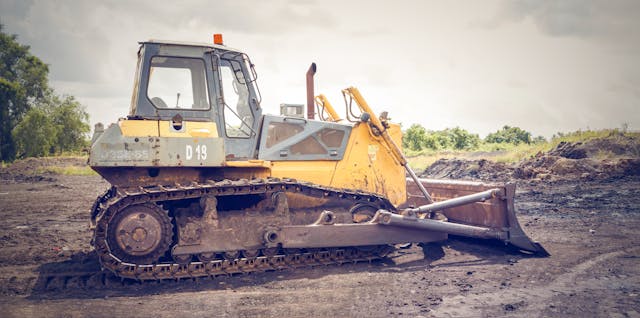

There’s something exciting brewing on job sites this year, and it’s not just the smell of diesel in the morning. Heavy equipment has stepped into 2025 with some clever updates. Some are flashier than others, but they’re all aimed at making the job smoother, safer and a bit more fun. Let’s take a look at what’s popping up in yards, quarries and sites across the country.
Electric Machines Get Serious
Electric gear isn’t new, but 2025 seems like the year it finally got its act together. Where early electric diggers and loaders used to struggle with power or run time, the latest batch seems to have found a sweet spot. Big names have put out full-sized electric excavators that can now last a full shift without needing a top-up.
Charging is quicker, too. It’s not instant, but it’s decent enough that crews aren’t standing around twiddling their thumbs waiting. These new machines aren’t just quieter (though that’s a bonus for sites near homes); they’re also cutting down on emissions in a real way. It’s not perfect yet, and they still cost a fair bit more, but the gap is closing.
Autonomous Features That Don’t Get in the Way
A few years ago, talk of autonomous machines had most crews either laughing or rolling their eyes. Nobody wanted a robot loader nicking their job. But now it’s less about taking control and more about lending a hand.
In 2025, new systems are being built into gear like graders and pavers that help hold grade, follow paths or avoid collisions, not take over the whole operation. It’s smart stuff, but it still lets the operator run the show. These updates are helping reduce rework, too, which no one’s gonna complain about. Less time going back to fix things, more time moving forward.
Smarter Support Gear Keeps Loads Safer
While it’s easy to get caught up in flashy tech, don’t forget the basics. Interlocking cribbing blocks are getting some upgrades in 2025, too. New materials mean they’re lighter to carry but still tougher under pressure, making them easier and safer to use.
Some blocks even have built-in sensors now, which alert if the load’s shifting or if the stack isn’t stable. It might sound a bit over the top for something so old school, but it’s a real boost for safety on site. When your load is supported better, everything else falls into place more easily. Sometimes, it’s the simple stuff that makes the biggest difference.
Operator Cab Comfort Levels Are Up
Whoever is designing cabs these days clearly had a few bad years on uncomfortable seats. We’re talking seats that adjust every which way, climate controls that actually work in rough Aussie conditions and screens that aren’t trying to be a spaceship.
One surprising touch is noise reduction. Some of these new operator cabs are so quiet, you almost forget you’re running heavy machinery. It’s not just about luxury, either. Less noise and less jarring movement mean crews aren’t walking off-site wrecked at the end of the day. That’s a win.
Quick Swaps and Smart Attachments
Here’s something small that’s quietly making a difference. Attachments are getting smarter and easier to swap. Hydraulic couplers have improved heaps, and now some machines recognise the attachment as soon as it’s locked in. No more playing with hoses and guessing settings.
Some systems even adjust the flow and power automatically based on what’s hooked up. That means less downtime and fewer calls to the workshop because someone busted a line. It’s not an update of the century, but when your tilt bucket just works without needing twenty minutes of setup, you appreciate it.
More Compact Options with Serious Bite
Compact gear is having a moment this year, too. There’s a whole wave of mini loaders, diggers and dumpers that punch way above their weight. They’re coming out with stronger arms, better balance and even the option for tracks or wheels depending on the terrain.
They’re ideal for landscape work or even house builds where a big unit just wouldn’t fit. The best bit? They still feel like proper machines, not toys. They feature good power, decent reach and enough grunt to tackle real work without needing a semi to move them around.
Conclusion
All up, 2025’s shaping up as a solid year for heavy equipment. The changes aren’t earth-shattering, but they’re the kind of upgrades that actually matter on the job. It’s still going to take a while to get these to every site, but we don’t have to think about crossing that bridge right now.
Advertisement / Sponsored Content — This content is a paid advertorial published in consideration of payment or other commercial benefit. The views, claims, statements, offers and representations are those of the advertiser and do not necessarily reflect the views of the publisher, which does not endorse or verify them. This material is provided for general promotional information only and does not constitute legal, financial, medical, investment or other professional advice; readers should make their own enquiries and seek professional advice before acting. Claims, testimonials and performance statements have not been independently verified unless stated. Offers and availability are subject to change and additional terms. This advertorial may contain links to third-party websites and the publisher may receive commissions or other benefits from reader engagement; the publisher is not responsible for third-party content or fulfilment. To the maximum extent permitted by Australian law, the publisher disclaims liability for reliance on this content, and nothing limits rights that cannot be excluded under the Australian Consumer Law. Where applicable, this advertorial is authorised by the advertiser and does not constitute independent editorial content.